

The quiet fading of American primacy
A reflection on how empires evolve gradually through internal strains and shifting global power dynamics rather than sudden collapse



 Messenger
 Whatsapp
 Threads
 Email
Email
 Print
Print
 X
X
 Facebook
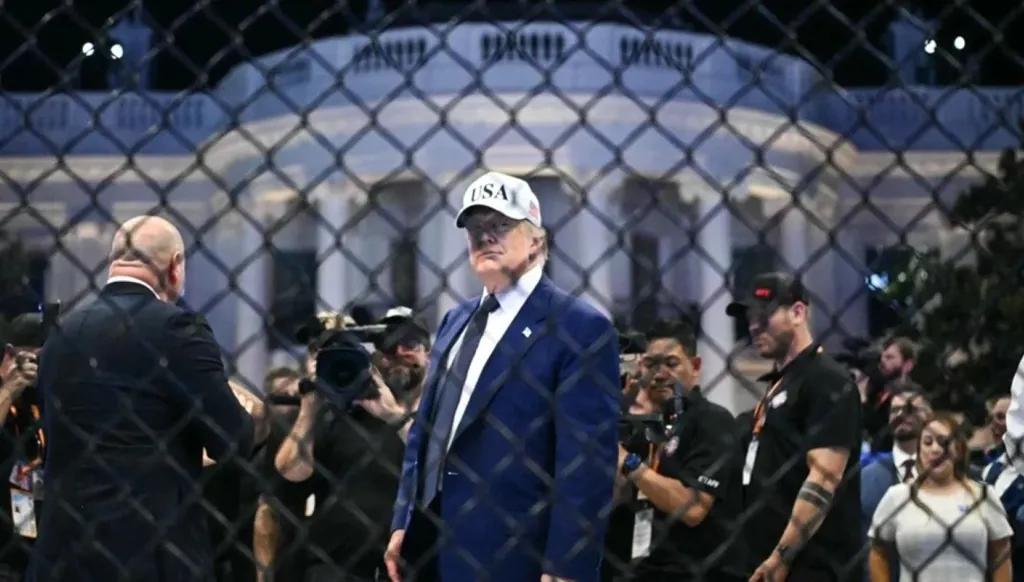


Herfried Münkler, professor of political science at Humboldt University in Germany, argued in his book Empires that the decline of empires is rarely caused solely by the strength of enemies, but rather by a structural flaw at the heart of the empire itself. Signs of weakness are gradually creeping across the face of what has been one of the most powerful empires in history, and these causes of decline can be outlined among others.
The dollar is relinquishing its throne
Empires suffer exhaustion when their financial obligations exceed their actual capacities. The United States has spent trillions of dollars on endless wars, a continuous drain on its resources. The “power of the dollar,” the backbone of the empire, is not only aircraft carriers but also the dollar as a global reserve currency. This privilege has allowed Washington to print money and finance its massive debt at the expense of the world. Today, US debt exceeds 39 trillion dollars, a figure that surpasses the entire size of the US economy, pushing rising powers to accelerate moves away from the dollar, stripping America of one of its greatest sources of strength.
Erosion of deterrence
Just as the United States fell into the trap of debt, it also fell into “military overextension” around the world without decisive victories, based on the idea that “America can solve most global problems and achieve any goal it sets for itself.” Increasing signs show that its dominance is no longer the absolute force that shaped the post–World War II world order. American deterrence has eroded, alongside ambitions to control the wealth, land, and decision-making of other nations. The United States has waged “failed wars,” such as the chaotic withdrawal from Afghanistan, and has been unable to impose its will in crises in the Middle East and Ukraine. Its prestige has faded, encouraging greater challenges to its authority.
A fractured identity
The United States is experiencing what can be described as a “cold civil war”: the breakdown of the social contract, political polarization, and deep divisions in public opinion over the country’s interests. There is an ongoing struggle over what America actually is, with each side viewing the other as an existential threat. This level of polarization is paralyzing the state’s ability to make strategic decisions, while public trust in institutions such as the press, the judiciary, and Congress has declined. Meanwhile, the ruling elite in Washington, Silicon Valley, Wall Street, and various lobbying groups appear unable to provide solutions to citizens’ pressing problems such as inflation, healthcare, and polarization. America is not suffering from a lack of resources or technology, but rather from a crisis of meaning and governance.
The fading of the “model”
America is an idea before it is a military arsenal: the idea of freedom, democracy, and human rights. Today, this model is facing a “crisis of appeal.” Internal divisions and perceived double standards in handling international crises have weakened American soft power globally, ultimately affecting its own interests. While the United States remains a leading global power in areas such as technological innovation and artificial intelligence, this advantage has also widened social inequality and has not translated into broad public welfare. Instead, it fuels internal tensions, acting like “silent chemical reactions” beneath the surface that accelerate the process of decline.
The rise of competitors
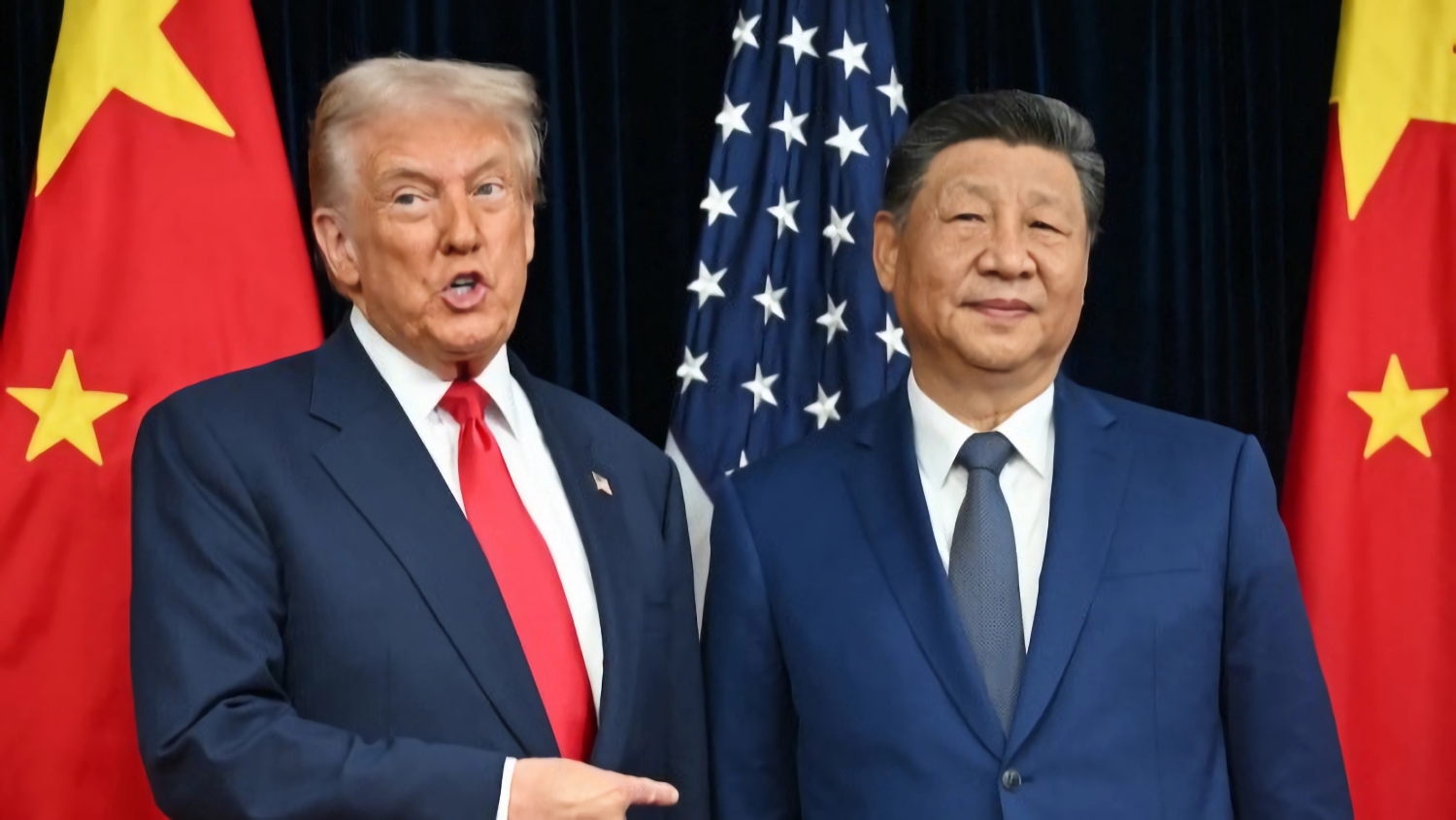
In a world that no longer accepts unilateral dominance or a single global voice, external pressure on American influence is increasing due to the growing strength of competitors, especially China and other rising powers seeking a “multipolar world.” These countries are working steadily to close the technological, economic, and military gap with the United States. At the same time, Washington’s network of alliances has become an economic and strategic burden and may even be in decline. The United States misjudged the weight of its competitors, assuming that a unipolar global order would last forever, under the influence of the so-called “end of history” mindset.
From the perspective of the historian Arnold Toynbee, America has shifted from the role of the “inspirer” to that of the “dominant power,” a sign that civilization has entered a phase of decline rather than sudden collapse. It will remain a great power, but the concentration of global decision-making in one hand signals eventual erosion.
As history teaches us, the only certainty it offers is that nothing can ever be known with complete certainty.
Disclaimer: The opinions expressed by the writers are their own and do not necessarily represent the views of Annahar