

5 reasons behind the continued global supremacy of the United States
While narratives of American decline and the rise of alternative powers persist, structural economic strength, military reach, technological leadership, financial dominance, and institutional resilience continue to anchor the United States at the center of the international system.



 Messenger
 Whatsapp
 Threads
 Email
Email
 Print
Print
 X
X
 Facebook
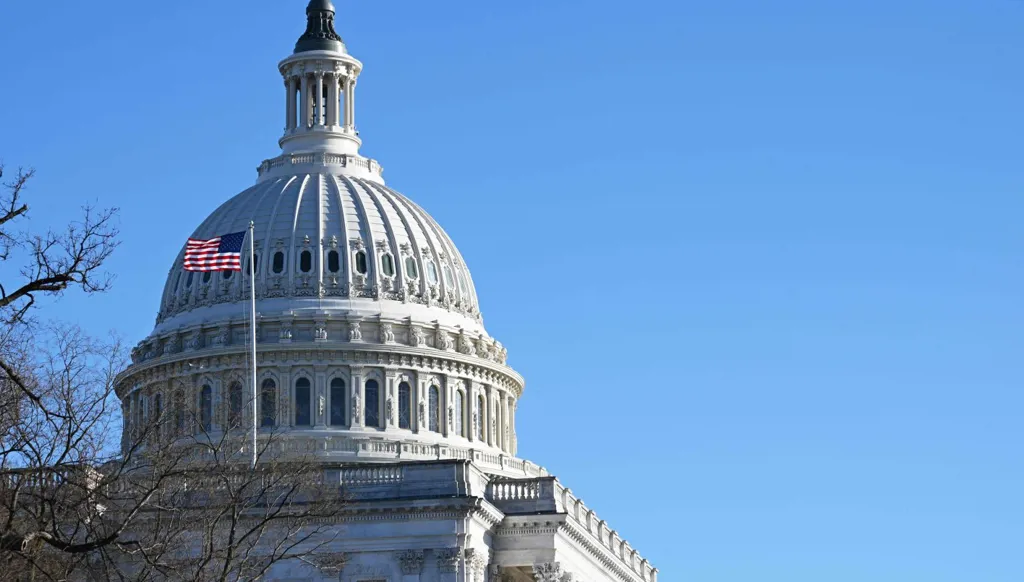


There have been arguments circulating for years suggesting that the United States is in decline and on a path toward weakening, in favor of the emergence of another superpower, China, to share global leadership with it, or in favor of the consolidation of international blocs such as the BRICS group, which includes major regional powers brought together by the only common international summit, namely China.
Below is a sample of the reasons we believe represent objective grounds for assessing the United States’ position in the coming period, as it remains the world’s sole superpower, with a set of key indicators that reflect its superiority. Of course, this superiority has become relative rather than absolute, as it was after the collapse of the Soviet Union. We argue that U.S. dominance will continue to shape international relations in politics, defense, economics, and finance.
Artificial intelligence
The United States continues to lead the global race in developing the new technological revolution based on artificial intelligence, which truly represents a major qualitative leap for humanity across various human, cultural, industrial, commercial, financial, security, and military fields and levels. Its applications are countless, as are the development paths that are achieving massive and rapid advances; the speed of development is striking.
While the United States is at the forefront of the global artificial intelligence revolution, other countries, including China, the only current strategic competitor to the United States, have not yet reached the point of displacing America from leadership in artificial intelligence.
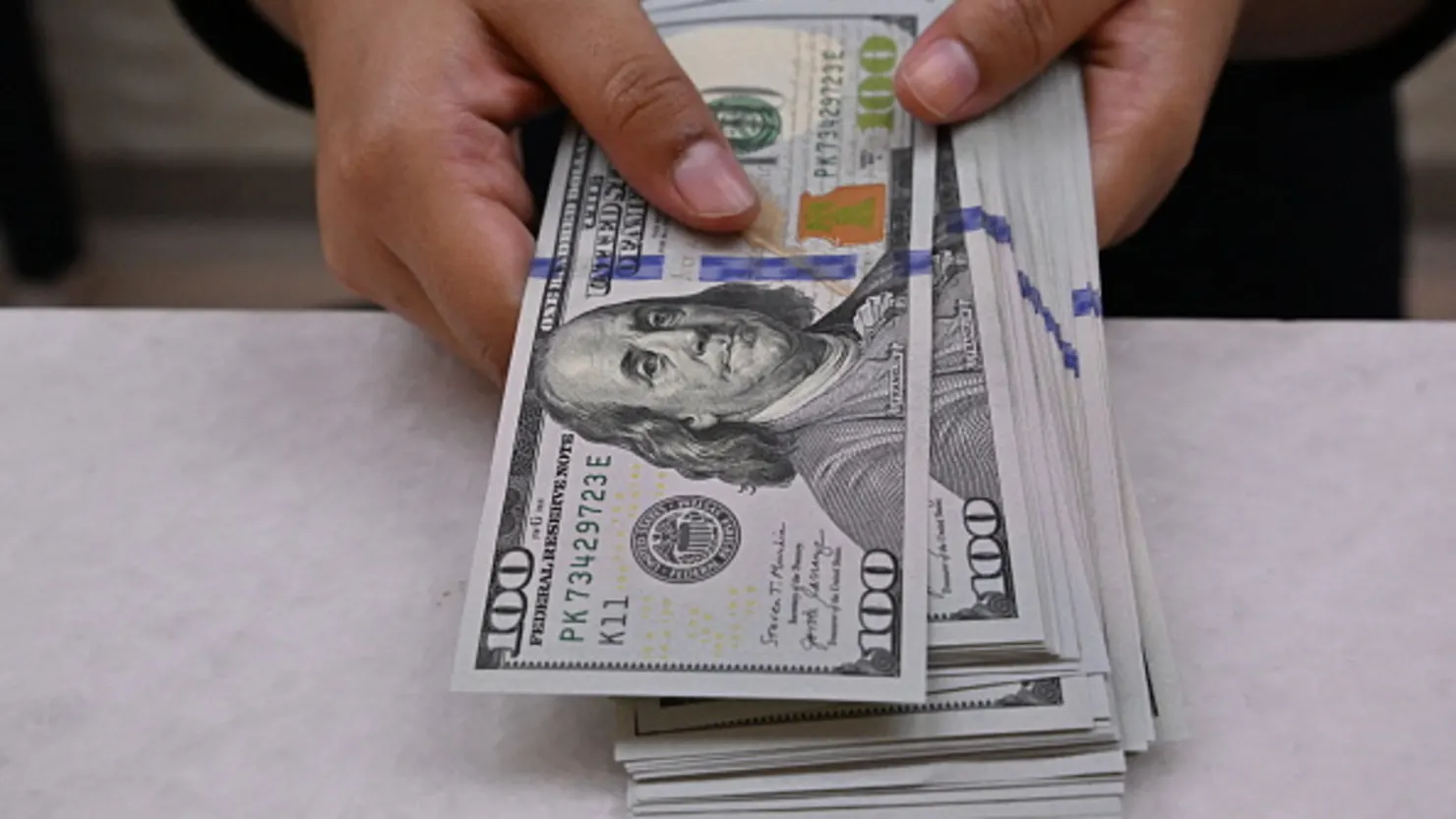
US Dollar
Global blocs have attempted to challenge the authority of the US dollar in financial markets, starting with the European Union through the adoption of the single currency, the euro.
Similarly, the BRICS group, driven by China, has sought to introduce a common currency aimed at dislodging the dollar from its position as the world’s reference currency. However, both attempts have failed, and to this day the US dollar remains in a leading global position, by a significant margin.
Military superiority
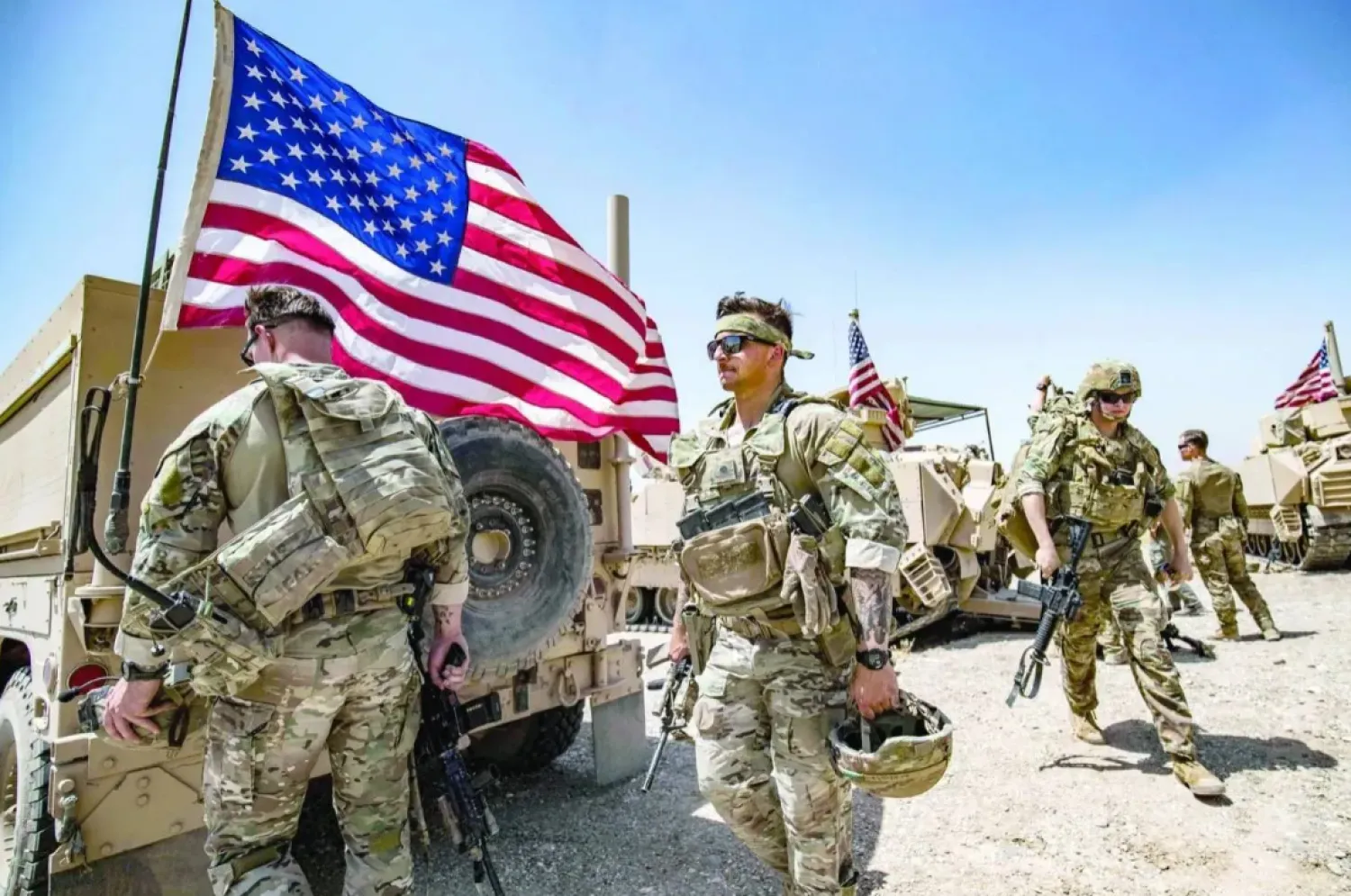
This is based on the US military budget, which is close to 900 billion dollars and is comparable to the combined budgets of the ten countries that follow it in the global ranking. Technological superiority also remains a key pillar in ensuring military dominance and the ability to deploy forces across all parts of the world, a capability that no other major power at the forefront possesses, such as China or the Russian Federation.
Failure of other powers
Other major powers have failed to replace the United States as a globally recognized international reference point, present across all continents, whether through engagement, mediation efforts, or the application of pressure short of military force. This remains an advantage that is not available to other major states such as China and Russia, nor to large blocs such as the European Union.
Flexibility of the US political system
This factor is based on adherence to the constitution, the rule of law, and institutions, as well as the diversity of American civil society and its cultural and economic appeal, despite the United States experiencing recurring economic and political crises over past decades.
Nevertheless, this does not negate the fact that the US political system faces significant challenges that the United States must contend with.
Disclaimer: The opinions expressed by the writers are their own and do not necessarily represent the views of Annahar.
Read more in our 250th Anniversary of the United States dossier :
- America’s democratic system in permanent trial
- Donald Trump and the 250th anniversary of the United States
- The American Dream: Promise or Paradox?