

Iran Prepares for Historic Farewell to Khamenei Amid Security Challenges
Authorities expect up to 18 million mourners at what they describe as the largest funeral in history, as Tehran seeks to project unity and strength while confronting major security, logistical, and media challenges.



 Messenger
 Whatsapp
 Threads
 Email
Email
 Print
Print
 X
X
 Facebook
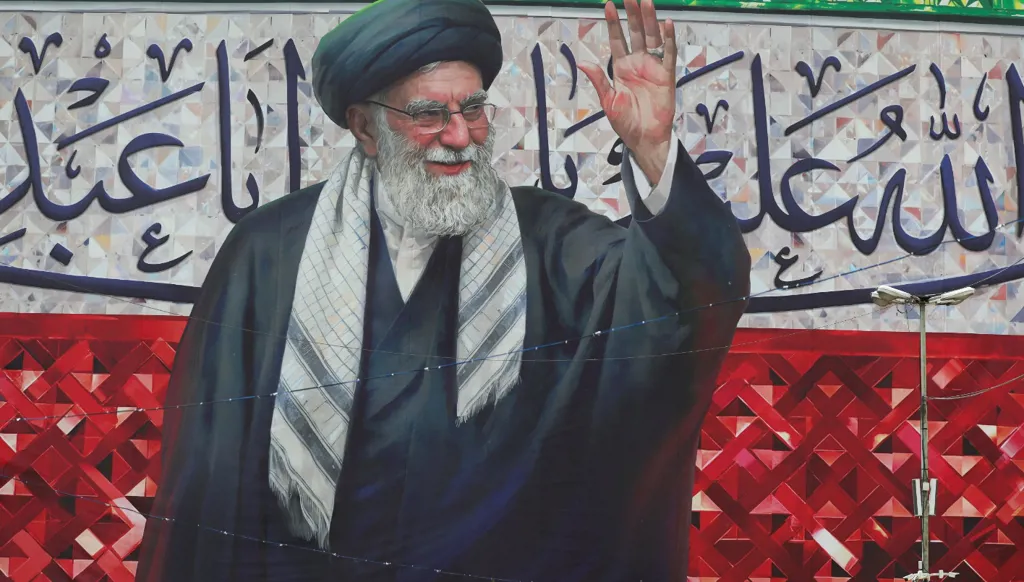


Iran is preparing, on Saturday, for the start of the funeral ceremonies of the late Supreme Leader Ali Khamenei, in an event that the authorities say will be “the largest of its kind in history,” with expectations of around 18 million participants over six days.
While the regime is betting on turning the occasion into a political message that affirms its cohesion and the continuation of popular support, security, organizational, and media concerns are dominating the scene ahead of the start of the ceremonies.
The ongoing preparations reveal that the event represents a test of Iran’s ability to manage the largest mass gathering in its history, after months of war and the changes the country’s leadership has undergone.
Funerals postponed for four months
Preparations have reached their final stages after the funeral ceremonies were postponed for four months due to the war that lasted about 40 days with the United States and Israel, followed by the ceasefire that came afterward. During that period, rumors spread that Khamenei’s body had been temporarily buried, but the authorities denied this, confirming that the body was kept in an appropriate place in accordance with religious guidelines.
The ceremonies are set to begin on Saturday and continue until next Thursday, moving between Tehran and Qom in Iran, and Karbala and Najaf in Iraq, before Khamenei is buried in his hometown, the city of Mashhad. The funerals of his daughter, her husband, his grandson, and his grandson’s wife—who were killed with him in the US–Israeli strikes last February—will also take place.
In his first written message since being elected as the third Supreme Leader of the Islamic Republic, Mojtaba Khamenei said he had seen his father’s body and face, and that his fist “was clenched.” The new leader has not yet attended any public event, and no video or audio recordings of him have been published since his selection, increasing speculation about whether he might appear at the funeral ceremonies.
Supporters of the late leader hope his son will participate, but organizing officials say the decision “belongs to the Leader’s office” and is also linked to security considerations regarding his protection.
A show of force after the war
Iran has mobilized all its capabilities to ensure the success of the ceremonies and has declared a national holiday to facilitate participation. Officials say the number of attendees could reach 18 million people, which would make it the largest funeral gathering in history if confirmed.
The authorities rely on comparisons with the funeral of Imam Khomeini in 1989, which is estimated to have drawn more than 10 million participants, and the funeral of former Quds Force commander Qassem Soleimani, which was attended by around 8 million. At the global level, the ceremonies are also compared with the funeral of US President Abraham Lincoln in 1865, as well as the funerals of Pope John Paul II, French writer Victor Hugo, Mahatma Gandhi, and Joseph Stalin.
Iran is attempting to turn what could be the largest funeral in history into a display of strength and popular support for its leader, and into a major national and regional referendum. This is framed as a response to criticism directed in recent years at Khamenei’s domestic and foreign policies, aiming to symbolically show that his decisions reflected the will of the Shiite majority and that his unprecedented popularity demonstrates the correctness of his positions. However, whether this effort and claim will convince observers remains uncertain.
Three challenges confronted by Iran
Despite official ambitions, three main concerns are dominating discussions inside Iran and on social media platforms, and they could affect the ceremonies if they turn into real on-the-ground events.
The first concern is the possibility of stampedes due to massive crowds, high temperatures, and logistical pressure. This fear is based on past experiences in which casualties occurred during the funerals of Khomeini and Soleimani. The concern is further amplified when some hardliners with mystical interpretations claim that “the killing of some of Khamenei’s supporters could increase the prestige of the ceremonies,” and that it would demonstrate that his popularity is so great that some are willing to die for him even after his death. Nevertheless, the Revolutionary Guard, Tehran municipality, and the government have mobilized all their resources to reduce the expected number of casualties to the minimum.
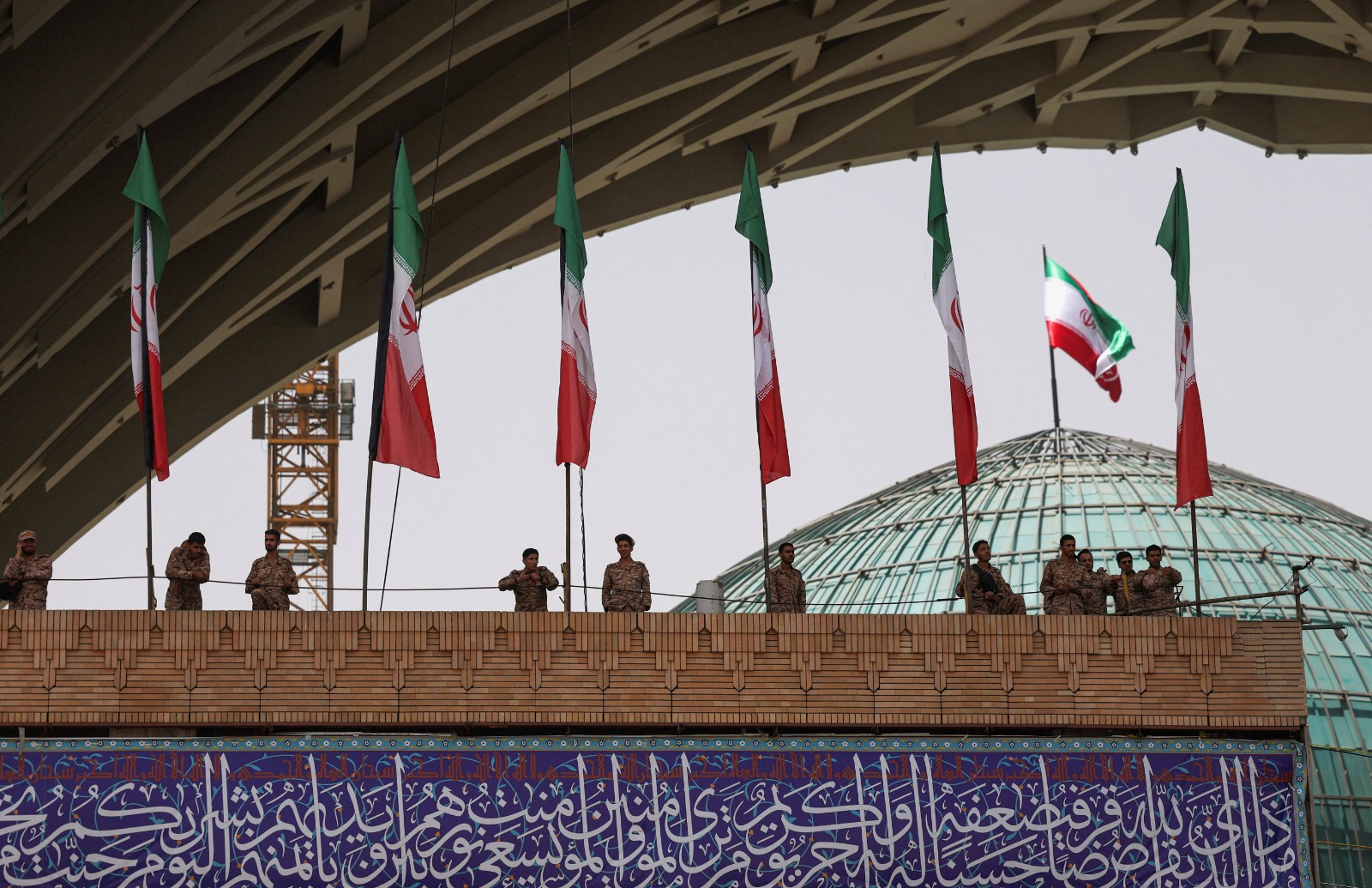
The second challenge is security-related, as Iranian agencies fear that Israel or opposition groups might carry out sabotage operations or bombings targeting the crowds or disrupting the ceremonies. This concern is one of the main reasons the funeral was postponed for four months, but it still persists, prompting the authorities to impose exceptional security measures and wide restrictions on traffic and entry into Tehran.
The third challenge concerns the media image of the ceremonies. Iran aims to present a well-organized event that reflects the scale of participation and popular support. However, the presence of hundreds of journalists and millions of participants carrying mobile phones—some of whom are not loyal to Khamenei or the regime and are looking for sensational material—makes full control over the media narrative extremely difficult. Any security or organizational incident could quickly become the focus of coverage, overshadowing the message the regime seeks to convey.
A political and media test
Ali Khamenei’s funeral ceremonies do not appear to be merely a funeral event. Rather, they represent a political, security, and media test for Iran after months of war and the changes that reshaped the top of the country’s power structure.
With the expected massive crowds, the emotional nature of funeral rituals in Shiite culture, and resources that remain limited compared with the anticipated millions of attendees, the coming week is likely to be filled not only with the powerful scenes and narratives presented by Khamenei’s supporters and the regime, but also with developments and details that will attract the close attention of neutral observers and the media.