Syrian Foreign Minister Promotes New Syria Narrative in Beirut
As Lebanese leaders back the Lebanon–Israel framework agreement, Syria’s foreign minister promotes renewed bilateral ties and sovereignty based engagement amid competing visions for Lebanon’s future.



 Messenger
 Whatsapp
 Threads
 Email
Email
 Print
Print
 X
X
 Facebook
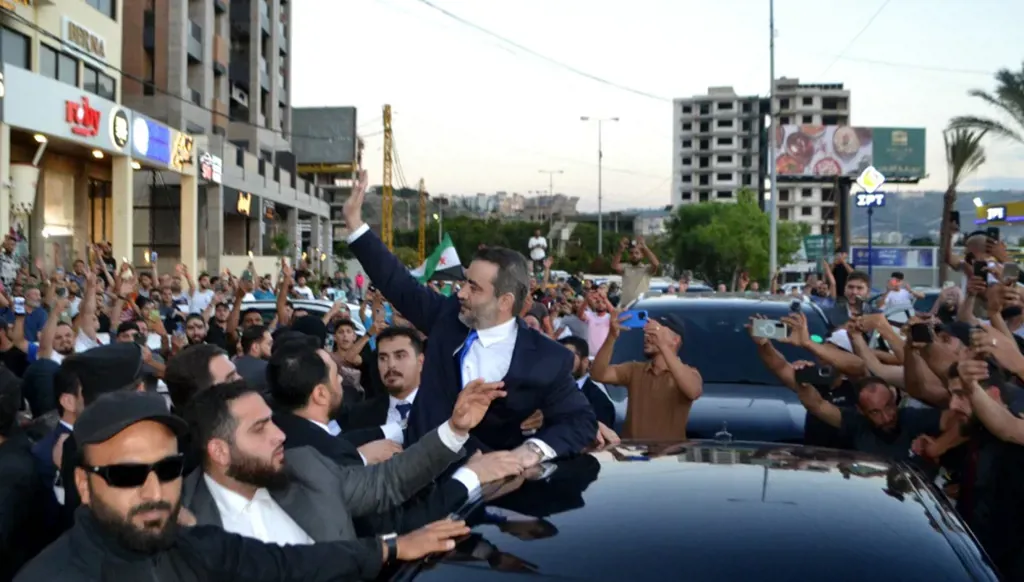


Amid the waiting period that currently separates the signing of the framework agreement between Lebanon and Israel from the beginning of its implementation, the notable visit made yesterday by Syrian Foreign Minister Asaad Al Shaibani to Lebanon overshadowed the priorities related to that agreement.
It was also striking that a series of supportive and defensive statements in favor of the agreement emerged from Baabda Palace, outlining the features of an assertive defense of this option in the face of the intense campaign led by opponents of the deal.
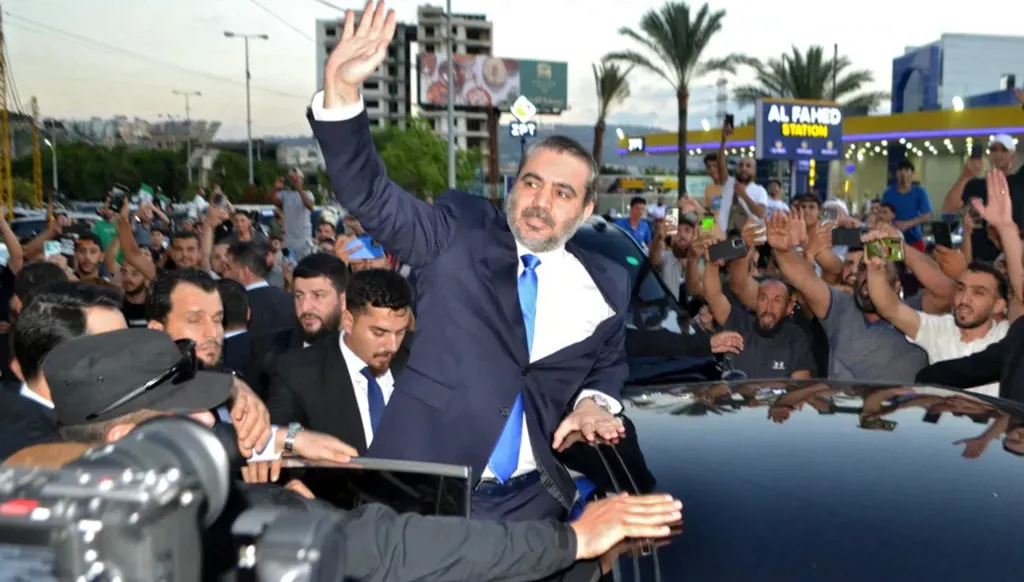
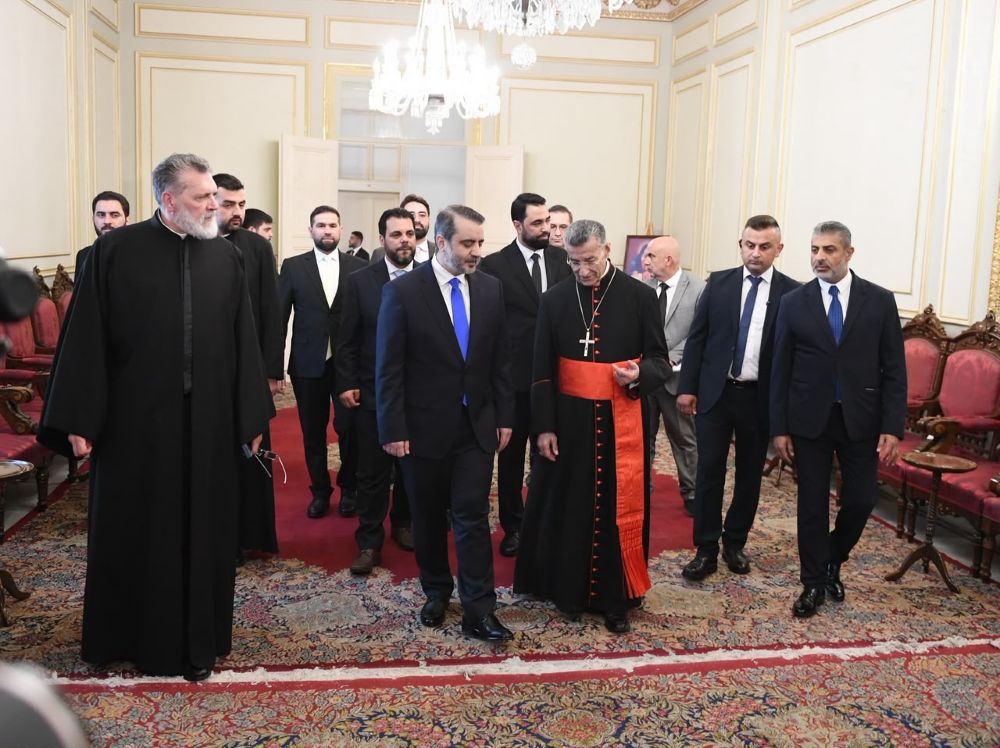
Although this was Al Shaibani’s second visit, it carried an exceptional character both in form and substance because of the broad tour he conducted, meeting the three presidents, political leaders, the Maronite Patriarchate in Bkerki, and Dar Al Fatwa, with a significant stop in Tripoli scheduled for today.
The tour gave the impression that Al Shaibani was acting not only as Syria’s foreign minister but also as a presidential envoy. In reality, it represented the first political and diplomatic appearance of Syria’s transitional leadership before Lebanon’s political establishment, as it sought to erase the dark legacy of the former Syrian regime and formally open a new chapter in Syrian Lebanese relations based on reassuring, cordial and equal relations.
The meetings held by Al Shaibani therefore established a new path founded on mutual respect for borders and sovereignty and on rejecting interference in internal affairs. They also ruled out the possibility of any Syrian military or security intervention in Lebanon.
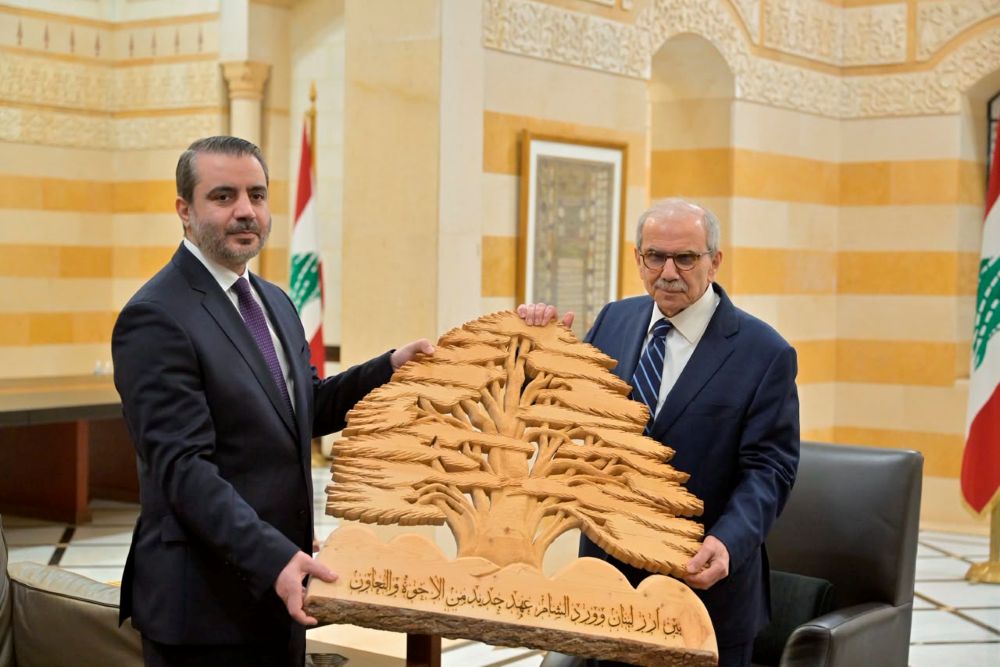
Al Shaibani showed broad openness and flexibility, including toward Hezbollah, and affirmed his willingness to engage with all parties in Lebanon. On the official institutional level, the visit culminated in the signing of an agreement between the Syrian and Lebanese governments establishing the Syrian Lebanese Higher Committee.
A new chapter in Syria-Lebanon relations
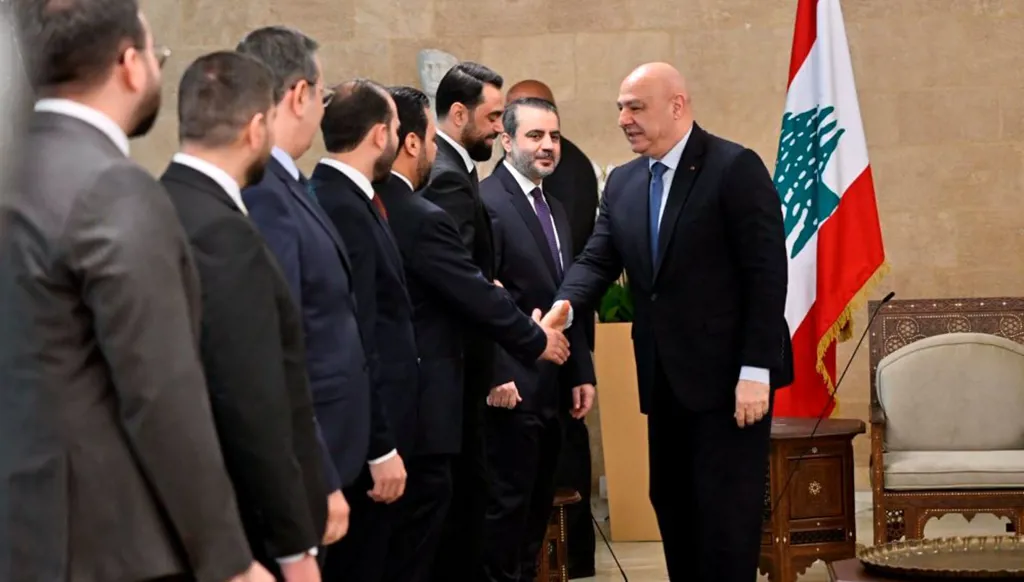
Shibani’s tour was marked by positions that broadly welcomed and embraced the opening of a new chapter in relations. During his reception of the Syrian minister, President Joseph Aoun affirmed that Lebanon is committed to establishing fraternal relations with Syria based on cooperation, coordination, and non-interference in the internal affairs of both countries.
He also expressed his concern for Syria’s stability, just as Syria is keen on Lebanon’s stability. He welcomed the formation of the higher committee between the two countries to safeguard their mutual interests, and praised the stance of Syrian President Ahmad Al Sharaa toward Lebanon, as well as his confirmation that Syria’s role in Lebanon will not be as it was in the past, and that a new page has been opened between the two countries in which Syria will not stand with one party against another but alongside all Lebanese.
For his part, Minister Shibani stressed that his visit to Lebanon aims to strengthen relations between the two countries and activate coordination, particularly in the economic field. He expressed Syria’s support for resolving regional issues through dialogue rather than wars and military confrontations, which have brought nothing but tragedy and suffering.
He emphasized that the current Syrian leadership is working to close the chapter of mutual interference between the two countries that prevailed in the past, and is seeking to enhance cooperation at all levels and engage with all Lebanese parties.
The Syrian delegation also sought to clarify confusion regarding claims of possible Syrian military intervention in Lebanon, stressing that Syria has no intention of taking such a step.
After meeting Parliament Speaker Nabih Berri, Shibani denied that the issue of Hezbollah was raised during the meeting but noted in response to a question that if meeting Hezbollah serves the interest, they are open to it, stressing that discussions with Berri were limited to strengthening relations between the two countries.
At the Serail, Prime Minister Nawaf Salam announced in a joint press conference with Shibani: “We agreed to establish relations based on mutual interests. The purpose of the meeting with the Syrian foreign minister was to cooperate in several areas, foremost among them the issue of electricity interconnection between Lebanon and Syria, as well as transport, trade exchange, facilitating border crossings, and developing relations. We have signed a joint Lebanese Syrian committee to enhance cooperation between the two countries.”
He said that “the Higher Committee for Cooperation and Partnership with Lebanon will serve as a platform for all ministries to develop partnerships and security understandings, and that everything we bring to Lebanon is goodwill and a commitment to overcoming the negative legacy of relations between the two countries.”
Regarding the framework agreement between Lebanon and Israel, he stated: “Syria’s official position rejects Israeli attacks on Lebanon and the displacement suffered by the Lebanese people. The framework agreement is a Lebanese matter, and we want a calm dialogue around it. We support any political process that serves Lebanon’s interests and stability.”
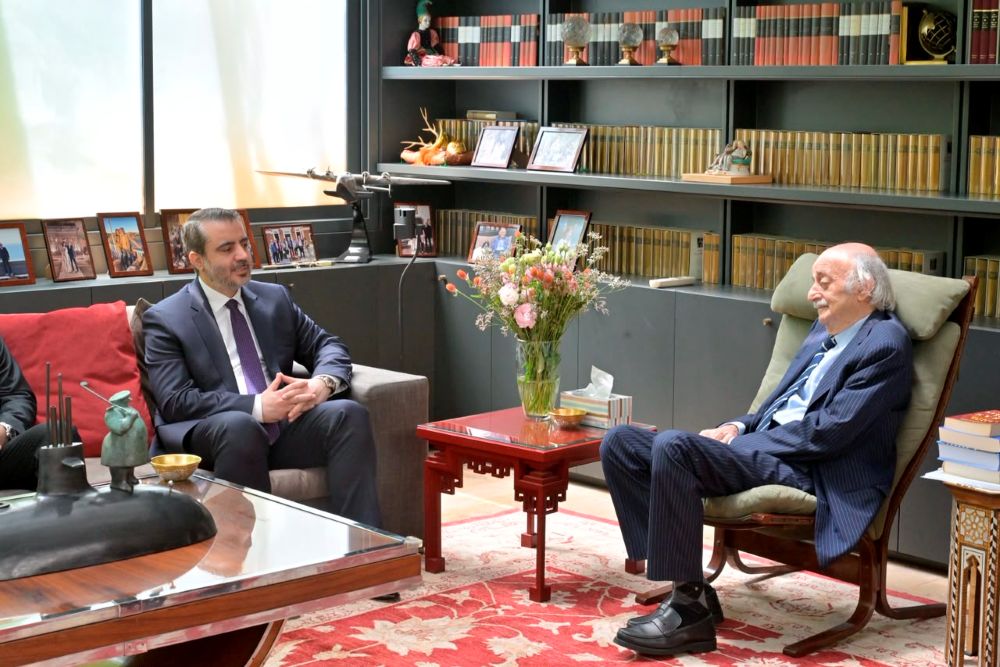
Former Progressive Socialist Party leader Walid Jumblatt said after meeting Shibani that “between a balanced and objective relationship with Syria and an agreement that could lead to something worse than the May 17 Agreement, I prefer a balanced relationship with Syria.” He added: “A good relationship between Lebanon and Syria is a historical destiny.”
Kataeb Party leader MP Sami Gemayel said after his meeting with Shibani: “We hope to reach political independence and economic exchange, and we must cooperate in what is best for both countries. His visit is a positive initiative.”
At Bkerki, Shibani said after meeting the Maronite Patriarch: “We visited Bkerki to affirm the necessity of spreading peace among peoples and promoting coexistence between the Syrian and Lebanese peoples.” He added: “There is a Christian component in Syria and a Christian component in Lebanon, and they both have a significant role in the stability of the two countries.”
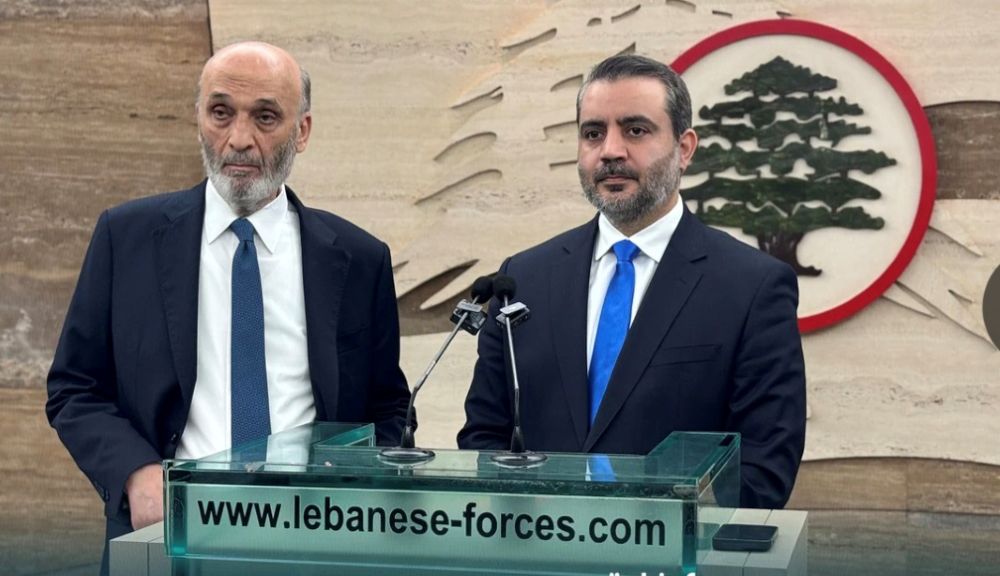
In Maarab, where Shibani expressed Syria’s readiness to stand by Lebanon and stressed that “Lebanon’s stability is in our interest,” Lebanese Forces leader Samir Geagea congratulated the Syrian people on a “new Syria” and stressed that “Lebanon and Syria are neighboring states whether we like it or not, and the important thing is to respect this principle in the interest of both peoples.” He also pointed to significant confusion in public opinion regarding the Washington framework agreement, and asked its opponents, “all the geniuses,” what the alternative options are.