

US-Iran talks to resume after Khamenei funeral as Strait of Hormuz tensions persist
Indirect negotiations between Washington and Tehran are set to restart following Ali Khamenei's funeral, with mediators pushing to preserve a fragile truce despite renewed military tensions in the Strait of Hormuz.



 Messenger
 Whatsapp
 Threads
 Email
Email
 Print
Print
 X
X
 Facebook
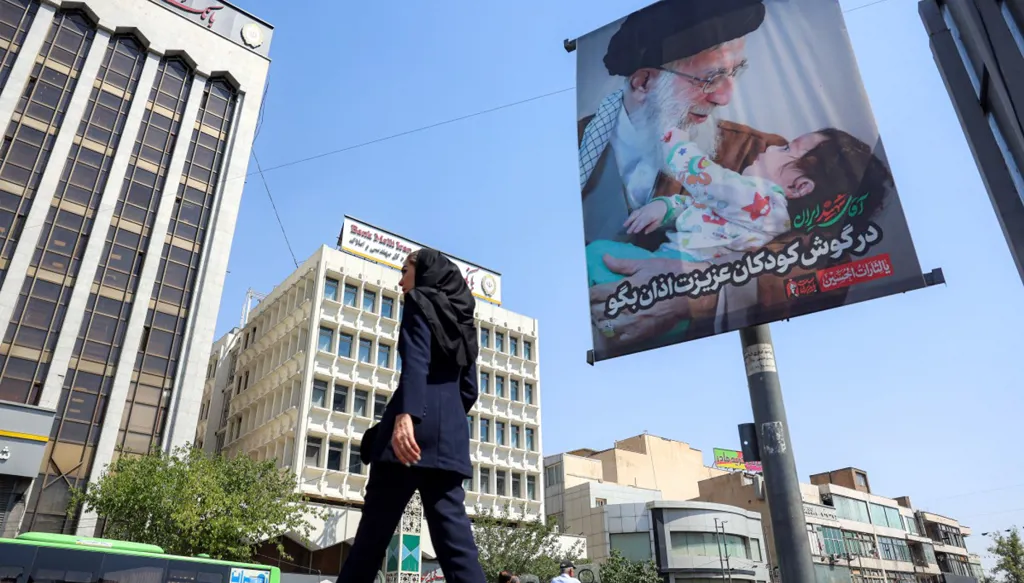


Indirect talks between Washington and Tehran are set to resume after the funeral of the late Supreme Leader Ali Khamenei, negotiators announced on Thursday, following a round of diplomatic talks in Doha aimed at bringing a definitive end to the Middle East war.
After the Doha talks, negotiators, along with Qatari and Pakistani mediators, indicated that diplomatic efforts would continue after Iran and the United States exchanged attacks over control of the Strait of Hormuz last weekend.
US President Donald Trump praised the "very good meetings" on Wednesday, while Iranian Deputy Foreign Minister Kazem Gharibabadi announced the establishment of a "communication channel."
A spokesperson for Pakistan's Foreign Ministry said, "We are coordinating with partners in Qatar to continue efforts to facilitate US-Iranian negotiations," adding that "after the Doha negotiations, we agreed to continue consultations to determine the next round."
Since mid-June, the parties have been engaged in negotiations scheduled to last 60 days, renewable under a memorandum of understanding signed on June 17 with Pakistani and Qatari mediation. The talks aim to end the war that began with a US-Israeli attack on Iran on February 28.
The memorandum includes several provisions, notably a ceasefire on all fronts, reopening the Strait of Hormuz, lifting the US blockade on Iranian ports, releasing some of Iran's frozen assets, and negotiating a final agreement.
Pakistan said on Thursday that "Qatari and Pakistani mediators concluded separate meetings with US and Iranian negotiators in Doha (Wednesday), achieving positive progress."
It added that both sides agreed to continue talks, with the next meeting scheduled as soon as possible after the funeral of the former Iranian Supreme Leader.
Ayatollah Ali Khamenei, 86, was killed in a bombing targeting the complex housing his residence in central Tehran, and his son, Mojtaba, was quickly elected as his successor.
Khamenei's funeral ceremonies begin on Saturday and will last six days, covering various regions of Iran, with stops in neighboring Iraq.
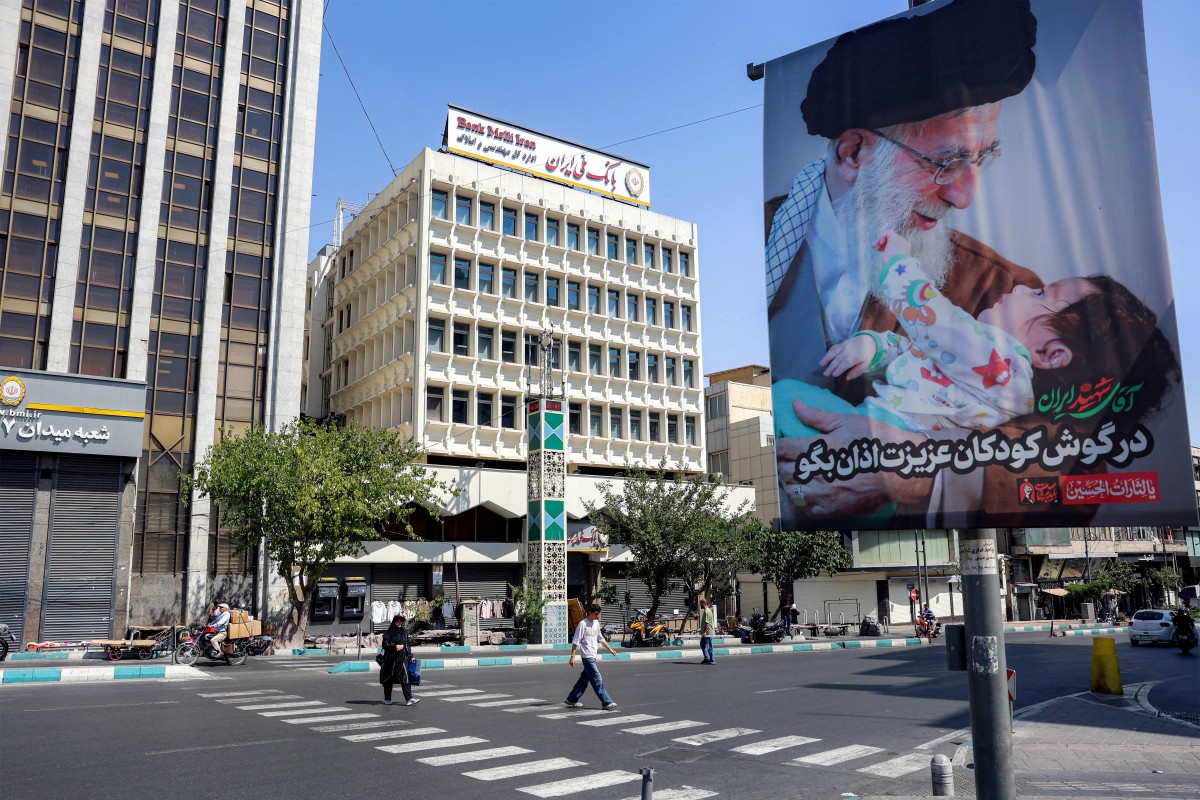
Iranian Parliament Speaker and chief negotiator Mohammad Bagher Ghalibaf on Thursday called for vengeance for Khamenei's killing through widespread participation in the funeral.
Islamabad announced that Prime Minister Shehbaz Sharif will attend the funeral, while organizers confirmed the participation of officials from about 30 countries.
An Iranian military commander warned the United States and Israel against launching any attack.
Ali Abdollahi, commander of the Iranian Armed Forces' unified command (Khatam-al-Anbiya Headquarters), said in a statement carried by state media: "We warn Iran's enemies, especially the US and the Zionist entity , against any miscalculation and urge them to consider the harsh response our Armed Forces will deliver to any threat or aggression against our country."
On Wednesday evening, the official Iranian news agency IRNA reported that Kazem Gharibabadi, who led the Iranian delegation in the Doha negotiations, said participants had agreed to "establish a communication channel by tomorrow (Thursday)" to report and monitor violations of the memorandum.
Iran has emphasized that it will not hold direct negotiations with the United States in Qatar. Foreign Ministry spokesman Esmail Baghaei confirmed that "any negotiation meetings with the US will not take place at any level."
Trump said efforts to dismantle Iran's nuclear capabilities are progressing well.
"They had very fruitful meetings, and we'll see what happens," he said, adding, "We hit them very hard... but we understand each other very well."
A diplomat familiar with the negotiations told AFP, speaking on condition of anonymity, that the technical talks were intended to "build on the progress achieved during the Lucerne Lake Summit" in Switzerland.
The diplomat added that US envoys Jared Kushner and Steve Witkoff did not participate in the negotiations after meeting with Qatari Prime Minister Sheikh Mohammed bin Abdulrahman Al-Thani on Tuesday. They also met with Qatari Emir Sheikh Tamim bin Hamad Al-Thani, as confirmed by his office on Wednesday.
Gharibabadi said the discussions also addressed the fate of Iran's frozen assets. "During meetings with Qatari officials, including the central bank, several issues related to spending part of the initial amount of six billion dollars were reviewed," he said.
He added, "It was agreed that, based on the needs communicated by our country, the required goods will be purchased and provided to Iran."
Strait of Hormuz
Despite reaching a memorandum of understanding in mid-June, tensions between Iran and the United States flared again last weekend, with both sides exchanging attacks over Iran's restrictions on transit through the Strait of Hormuz.
The US Central Command announced strikes on 10 Iranian military targets in response to what it described as "Iranian aggression against commercial navigation." Tehran said it retaliated by striking US bases in Kuwait and Bahrain, whose governments condemned the attacks.
Gharibabadi stressed on Thursday that management of the Strait of Hormuz "is under Iran's leadership," saying, "The region's security will be ensured by ending interventions, withdrawing the US from the region, respecting countries' sovereignty, and accepting the new geopolitical realities—not under the US military umbrella."
Both Iran and Oman claim authority over transit through the strait and have announced they are considering imposing service fees. However, the United Nations Convention on the Law of the Sea—which Tehran has not ratified—guarantees unimpeded freedom of navigation through straits used for international shipping.
Despite US opposition, Iran insists that conditions in the strait, a vital route for global energy supplies and maritime trade, will not return to the pre-war status of unrestricted passage. It has threatened to target ships attempting to use what it describes as unauthorized routes.
Meanwhile, Oman has maintained an ambiguous position. It has held meetings with Iran regarding the strait while also announcing the opening of an alternative temporary navigation route, a move presented as a joint effort with the United Nations to evacuate ships and sailors.