"Aman" social protection program: Lebanese state intensifies efforts against rising poverty




 Messenger
 Whatsapp
 Threads
 Email
Email
 Print
Print
 X
X
 Facebook
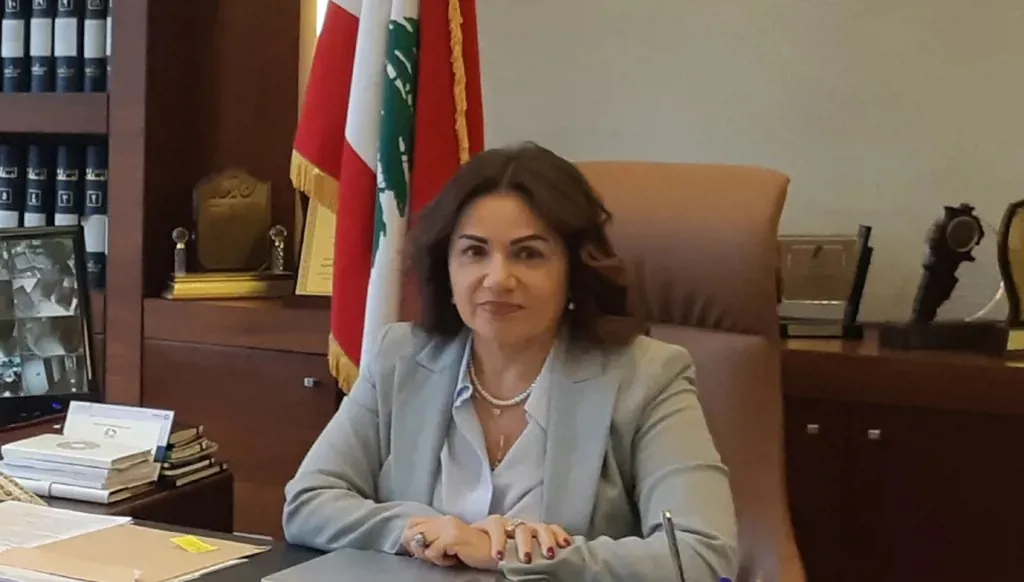


For many years, the Lebanese state has treated social protection networks as though they were the responsibility of the international community rather than its own. As poverty has expanded, it has sought solutions from the World Bank, the European Union, and other donors, while the general state budget has remained largely absent from financing programs for the most vulnerable families.
As a result, social assistance has increasingly been determined by available external funding rather than by the actual level of need within Lebanon.
This reality has begun to shift, albeit in its early stages. The inclusion of allocations from the general state budget to fund the “Aman” program for the first time since its launch not only represents the injection of $55 million into the initiative, but also signals a recognition by the state that social protection is not an external grant, but a national responsibility that must be partially covered by public resources.
Although the state’s contribution still accounts for about a quarter of the program’s funding, with the larger share continuing to come from donors, the significance of this step lies in establishing a new principle in public finance. Once social spending is incorporated as a permanent item in the budget, it becomes eligible for gradual increases year after year, like other categories of public expenditure.
More importantly, it sends a message to international actors that Lebanon is no longer merely requesting funding, but has begun assuming financial responsibility for its most sensitive social programs.
"Social Spending is an Investment"
But can the budget bear this burden? Sayed rejects the idea of viewing social spending as a burden on public finances, affirming that she continues to see it as an investment in economic and social stability, and noting that “this concept is gaining wider acceptance within state institutions.”
She reveals that before the recent war, the ministry aimed to cover around 160,000 families, but the rise in poverty rates has led it to increase its target to 180,000 families, while acknowledging that achieving this goal remains dependent on the availability of funding.