

Trilateral Framework Agreement: Lebanon's best shield to another war?
While the Lebanese-Israeli-American framework agreement faces criticism over several provisions, supporters argue it remains Lebanon's most realistic path to ending the conflict, restoring state authority, and preventing a devastating new regional war.



 Messenger
 Whatsapp
 Threads
 Email
Email
 Print
Print
 X
X
 Facebook
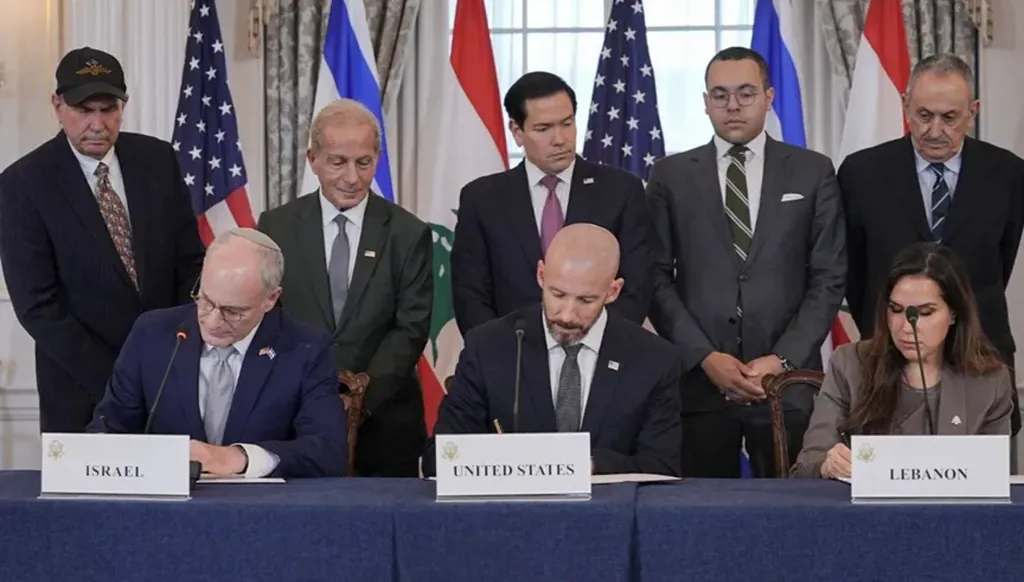


The Lebanese-Israeli-American trilateral framework agreement is not without flaws, nor is it immune to criticism over its shortcomings and weaknesses.
At the same time, many of these imperfections could be addressed by revisiting some of its disputed provisions. I do not intend to delve into details such as Article 13 on legal disputes, the absence of any reference to the 1949 Armistice Agreement, or the timeline for Israeli withdrawals.
More importantly, the agreement offers the only practical prospect for permanently ending the war, enabling displaced residents to return to their homes, launching reconstruction, closing the chapter of conflict, and opening a new chapter of peace between Lebanon and all its neighboring countries, including Israel.
It also shifts the country's focus toward state-building through reforms and positions Lebanon to benefit from regional and international transformations by dismantling Iranian hegemony and strengthening its ties with its central Arab environment, particularly the Gulf states.
The framework reinforces the state's authority over security and military affairs, dismantles what has been described as the "aggressive Lebanese platform," and declares Lebanon's neutrality.
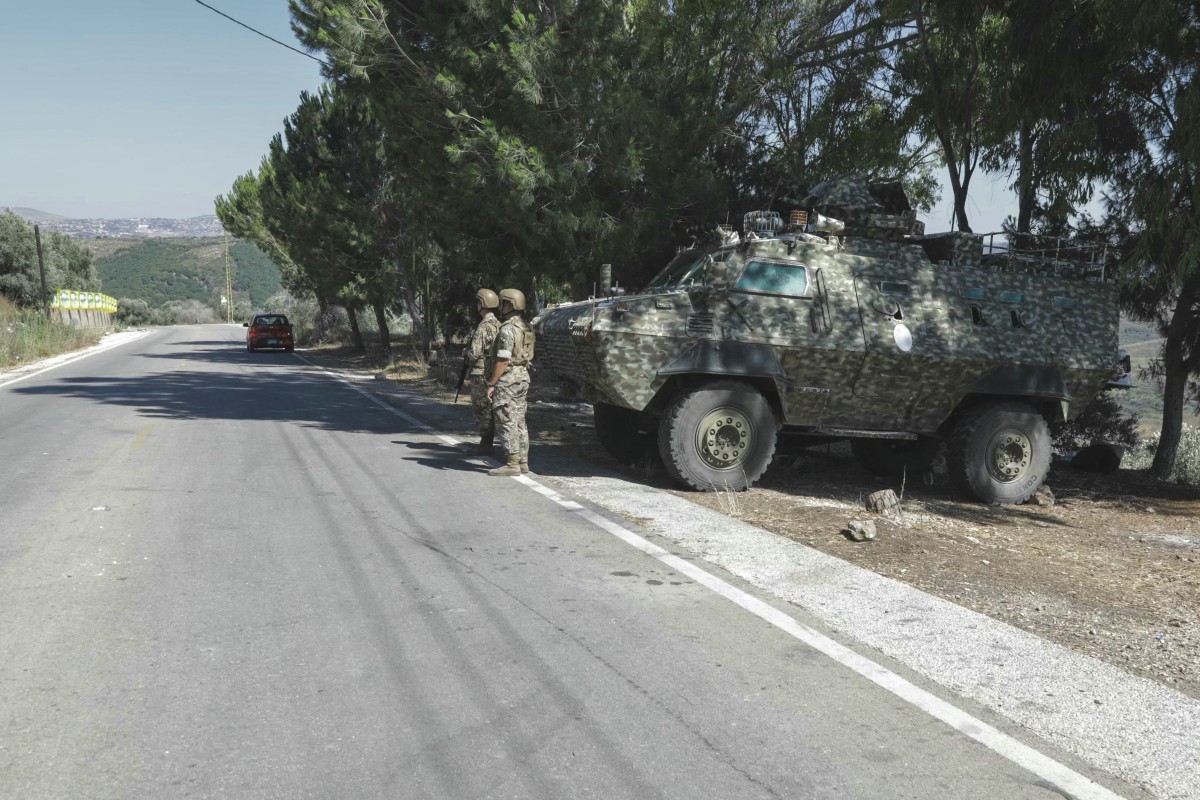
Unless the Lebanese state, as the country's legitimate authority, moves swiftly to implement the practical provisions outlined in the security annex of the trilateral framework agreement under the strongest possible supervision by the U.S. military, Lebanon risks missing a historic regional opportunity—one that could move the country away from the "aggressive platform" and place it firmly on the path toward a state-building project that reflects a broad Lebanese aspiration.
The realistic alternative to the trilateral framework agreement is a third round of war between Israel and Hezbollah. We know all too well what that would bring: more death, destruction, and displacement—temporary at first, but potentially becoming prolonged and even leading to dangerous waves of migration.
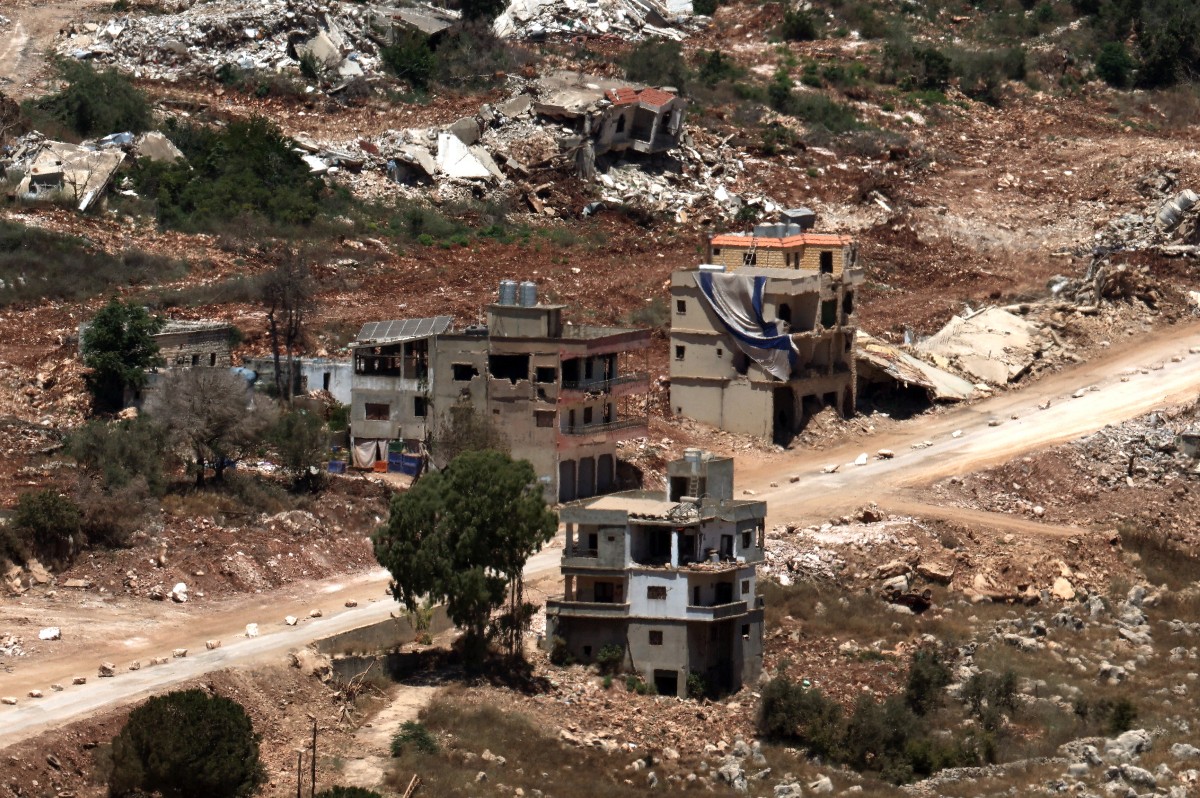
A third war between Israel and Hezbollah could also provide Israel with an opportunity to deepen its military incursion into southern Lebanon, beginning with the capture of the city of Nabatieh, with all its symbolic significance, extending to Sidon, the outskirts of Jezzine, and the borders of Mashghara in the western Beqaa.
Such a conflict could spread to other regions as well. Northern Beqaa, including the Baalbek-Hermel area, would likely not be spared, whether through Israeli incursions or attempts by Israeli forces stationed in Syria beyond the Mount Hermon area to advance toward the Zahle-Masnaa road. The greatest danger lies in the possibility of Syrian intervention inside Lebanese territory in the Beqaa under the pretext of defending Syrian national security against threats posed by Hezbollah.
The trilateral framework agreement may not be perfect, but it shields Lebanon from what could otherwise become an inevitable third war between Israel and Hezbollah—and potentially a simultaneous confrontation between Syria and Hezbollah. One can only imagine the scale of the catastrophe that would unfold if the agreement were to collapse.
Disclaimer: The opinions expressed by the writers are their own and do not necessarily represent the views of Annahar.