

Ali Khamenei funeral route: Symbolic journey through Iran and Iraq
Inside the multi-city funeral procession highlighting the religious, political, and regional significance of Iran’s final farewell to its leader.



 Messenger
 Whatsapp
 Threads
 Email
Email
 Print
Print
 X
X
 Facebook
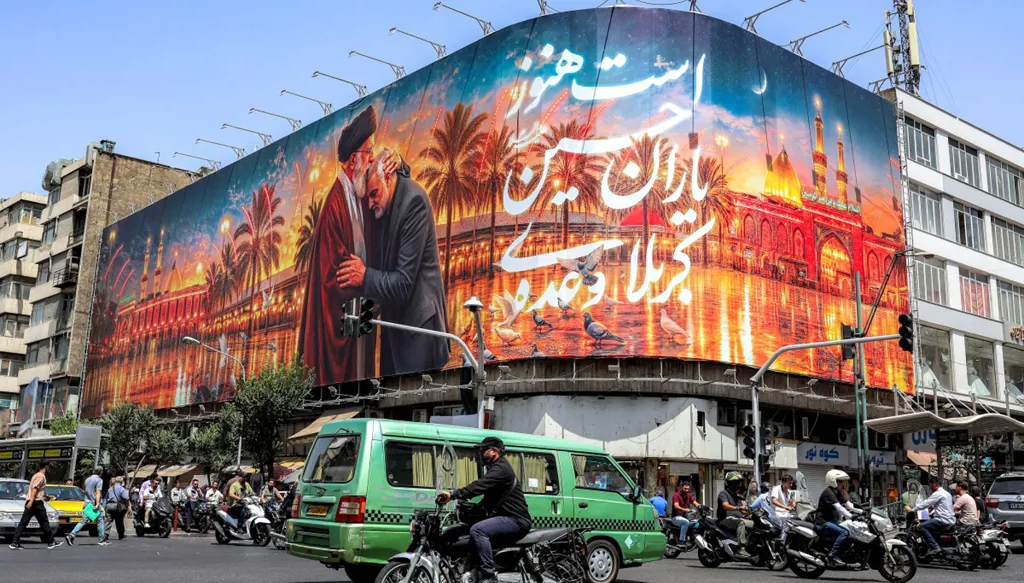


The Speaker of the Iranian Parliament and chief negotiator, Mohammad Bagher Ghalibaf, on Thursday called for avenging the assassination of the late Iranian leader, Ayatollah Ali Khamenei, urging broad participation in his funeral, which is set to begin on Saturday in Tehran.
Ghalibaf said in a statement, “I call on all the Iranian people to write a glorious page in the history of Islamic Iran by attending Khamenei’s funeral.”
He added that “the nation’s call for revenge must resonate in the ears of the entire world.”
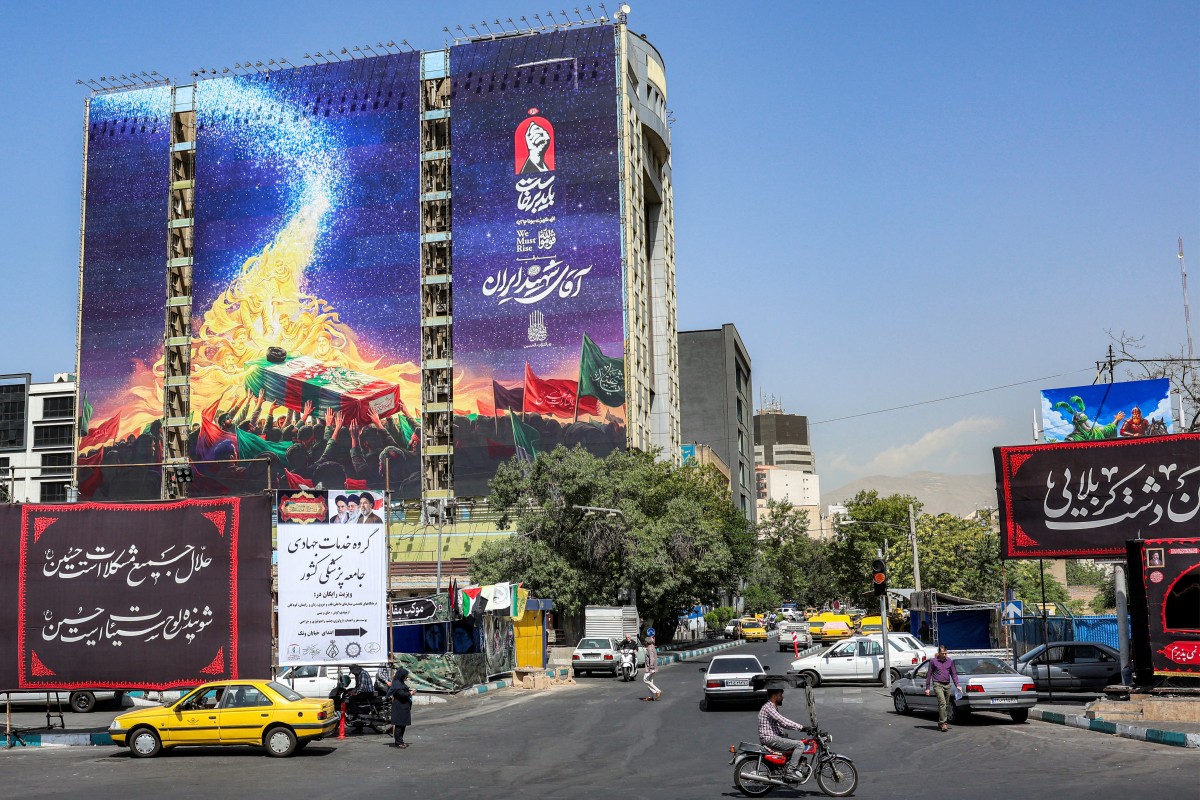
From Iran to Iraq: Stations of Ali Khamenei's Funeral
The funeral and burial ceremonies of Khamenei, who was assassinated on the first day of the U.S.-Israeli strikes on Iran on February 28, are set to take place across several symbolic locations throughout the Islamic Republic.
From the seat of power in Tehran to the Shiite holy cities of Qom, Karbala, and Najaf in Iraq, and on to Mashhad, each stop carries its own distinct symbolism.
Imam Khomeini Mosque in Tehran
Khamenei’s body will be laid at the Imam Khomeini Mosque in Tehran, one of the most prominent religious sites in the Islamic Republic.
The mosque, named after the founder of the Islamic Republic, is prepared for Friday prayers on major occasions as well as for official celebrations and religious gatherings, and has long stood as a symbol of the intersection between religious and state authority.
The public tribute at this site underscores Khamenei’s role as both a religious authority and a political leader of the Islamic Republic.
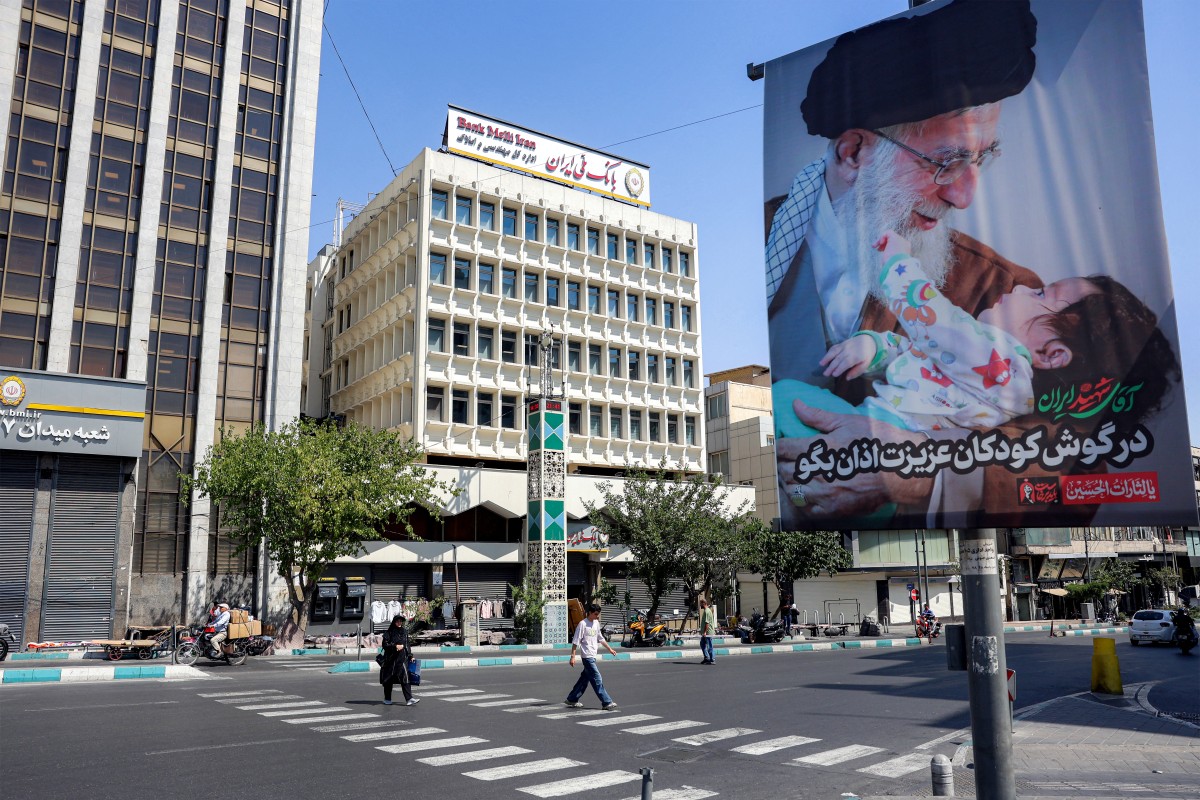
Pakistani Prime Minister Shehbaz Sharif will take part this week in the funeral ceremonies, according to a spokesperson for the Pakistani Ministry of Foreign Affairs on Thursday.
Tahir Andrabi told reporters that "Prime Minister Muhammad Shehbaz Sharif will visit Iran and Turkey between July 3 and 5… he will first travel to Iran to attend the burial of the Supreme Leader."
Streets of Tehran
The funeral in the streets of Tehran on Monday will mark the final farewell in the country’s political decision-making center.
The capital is home to the President’s office, Parliament, the judiciary, the armed forces’ command, and most of the country’s major state institutions.
Tehran often witnesses large gatherings, frequently reflecting expressions of national solidarity and demonstrations of state power.
The city of Qom occupies a distinctive position within Iran’s religious landscape. It is home to the country’s most prominent theological seminaries, has produced successive generations of clerics and leaders, and has played a central role in shaping the ideological foundations of the Islamic Republic.
In this city south of Tehran, the funeral underscores the religious foundations of Khamenei’s authority, rooted in his standing within the Shiite religious establishment.
It will also provide an opportunity for senior religious authorities and theology students to take part in paying tribute to a figure who embodied both religious and political authority.
The city also contains one of the most significant Shiite shrines: the Mausoleum of Fatimah al-Masumeh, the sister of Imam Ali al-Rida, the eighth Shiite Imam.
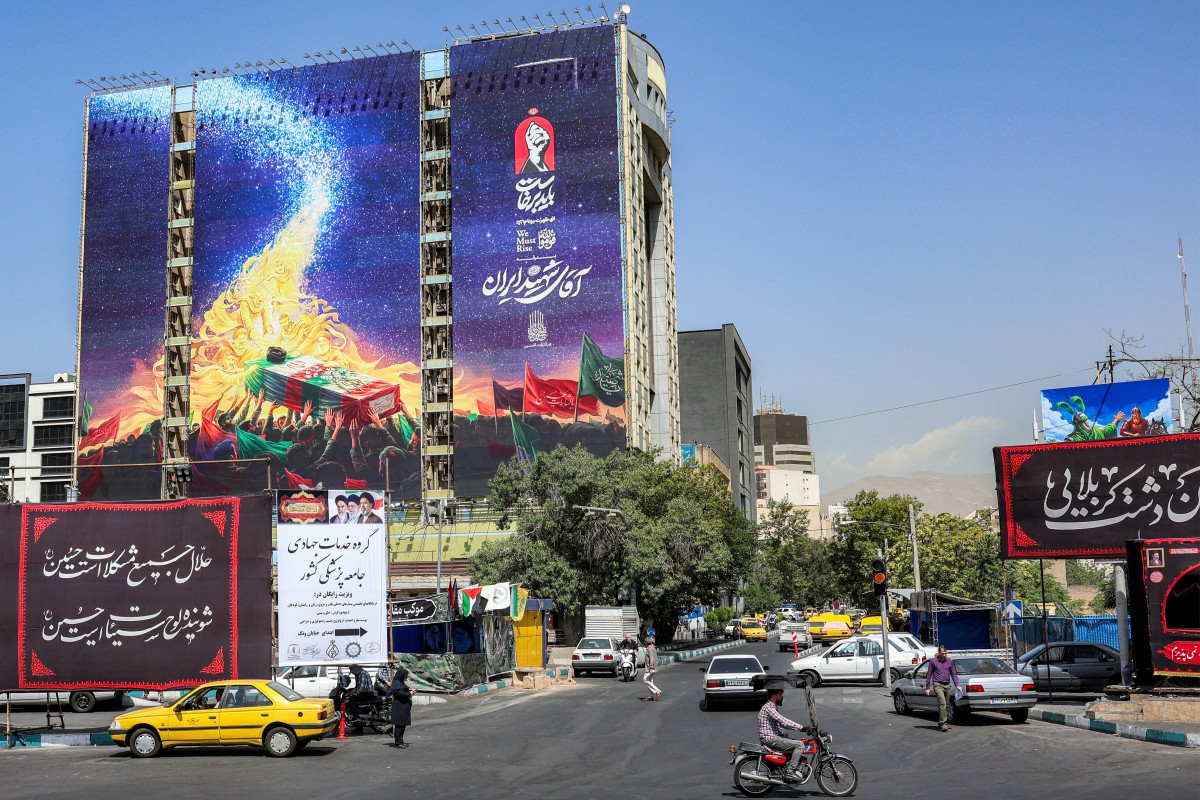
Karbala: City of Martyrdom
The city of Karbala in Iraq is considered one of the holiest cities for Shiites. It is home to the shrine of Imam Husayn ibn Ali ibn Abi Talib, whose death marked a pivotal turning point in Islamic history.
Najaf: Center of Shiite Religious Authority
Najaf, also in Iraq, is home to the shrine of Imam Ali ibn Abi Talib and stands as one of the most important centers of Shiite scholarship in the world. It has long hosted some of the most influential clerical figures and theological institutions, where leading scholars have studied, taught, and lived for generations.
This Iraqi city holds considerable religious significance, and its inclusion in the funeral route underscores the connections between the Islamic Republic and Shiite communities worldwide.
Mashhad: The Final Resting Place
The final station will be Mashhad, the holiest city in Iran, home to the shrine of Imam al-Rida and regarded as the country’s most important pilgrimage destination.
Mashhad also holds particular significance for Khamenei, as it is his birthplace, the city where he spent much of his youth, and a place where he maintained close ties with its religious authorities.
Near the shrine of Imam al-Rida, Khamenei’s journey will conclude with a burial that brings together elements of faith, national identity, and personal history.