

Washington and Tehran: A fragile bargain in the Strait of Hormuz
Indirect talks in Doha are easing tensions, but deep disputes over Hormuz, frozen funds, and regional influence keep a lasting breakthrough out of reach.



 Messenger
 Whatsapp
 Threads
 Email
Email
 Print
Print
 X
X
 Facebook
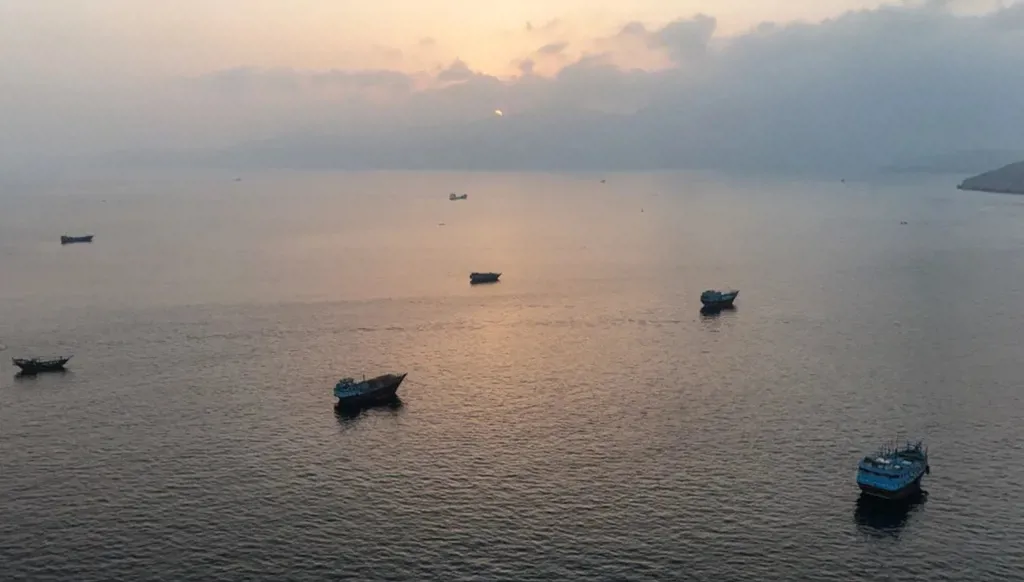


The ongoing talks through intermediaries between Washington and Tehran do not represent a full return to direct negotiations, nor do they signal the collapse of the current détente. Instead, they resemble a carefully calibrated testing phase—one that examines the intentions of both sides, the ability of mediators to translate a general memorandum of understanding into executable steps, and the possibility of preventing a limited crisis from escalating into a broader confrontation in a region that can no longer withstand further instability.
At the heart of the situation is a shared reality: neither side wants war, yet neither trusts peace. Washington recognizes that escalation with Iran could open doors that would be difficult to close, particularly if it disrupts the Strait of Hormuz, one of the world's most vital energy arteries.
Tehran, meanwhile, understands that direct confrontation with the United States would be costly, but it is equally unwilling to emerge from the crisis without political or economic gains.
As a result, Doha has become a venue for indirect negotiations—not over a final agreement, but over how to implement a temporary understanding, with each side interpreting it according to its own interests while seeking to maximize its gains.
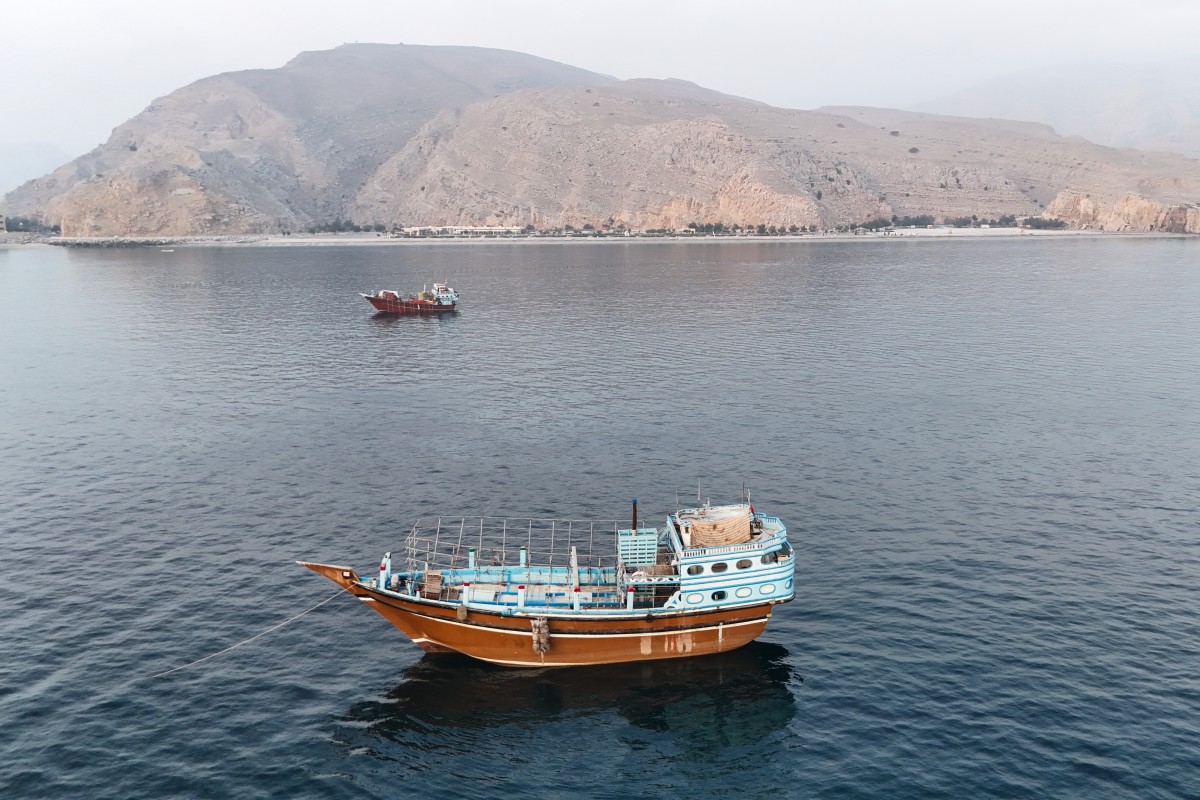
The most sensitive issue remains the Strait of Hormuz. Iran insists on what it considers its right to play a central role in ensuring the security of the strait, or at least to be the decisive party in any arrangements concerning it. From Tehran's perspective, Hormuz cannot be treated simply as an international waterway detached from geography and sovereignty, nor can the influence of the state overlooking it be ignored. Washington, along with the countries concerned with global energy security, maintains that freedom of navigation through this passage is not a bilateral matter to be negotiated with Iran, but an international issue with direct consequences for the global economy.
This is where the core disagreement lies. Iran seeks recognition not only as a country bordering the strait, but also as a regional power whose role cannot be bypassed. The United States, on the other hand, wants to ensure that such recognition does not evolve into a practical right to control navigation or use it as political leverage. The distinction between "securing the strait" and "controlling it" is precisely the space within which the current bargaining is taking place.
Hormuz, however, is not the only point of contention. The issue of frozen Iranian funds has also become a key test of the credibility of the emerging understanding. For Tehran, any agreement that fails to produce tangible economic benefits at home will appear hollow, particularly to a public burdened by sanctions and to political factions already skeptical of engaging with Washington. The United States, by contrast, views the frozen funds as leverage that should not be relinquished before securing clear Iranian commitments on the security, nuclear, and maritime fronts.
For now, the memorandum of understanding appears to be more of a framework than a binding agreement. It offers both parties an opportunity to ease tensions, but it leaves the underlying disputes unresolved. The nuclear disagreement persists, maritime security remains contested, the frozen funds have yet to translate into a clear financial mechanism, and trust between the two sides is almost nonexistent.
The central question, therefore, is not simply whether Washington and Tehran will eventually return to direct negotiations, but whether indirect diplomacy can generate enough confidence to pave the way for a broader negotiating phase.
A rapid return to full direct negotiations appears unlikely. Tehran needs, for domestic and political reasons, to deny or at least downplay the direct nature of any dialogue with Washington. Washington, meanwhile, needs to demonstrate that it has not granted concessions without reciprocal commitments. As a result, both sides continue to communicate through carefully managed distance, relying on intermediaries capable of conveying messages without forcing either government to bear the immediate political cost of direct engagement.
This does not mean the process is destined to fail. On the contrary, the continuation of communication reflects a shared understanding of the risks associated with the alternative. Closing the door to negotiations could lead to more maritime incidents, renewed escalation in the Gulf, or the activation of other regional pressure points stretching from Iraq to Yemen and Lebanon. Energy markets remain highly sensitive to any disruption in Hormuz, and any escalation there would extend far beyond the Gulf, with consequences for the global economy.
It is in the interest of regional countries, including Egypt, to contain the crisis rather than allow it to expand. The stability of maritime corridors is no longer an isolated issue. The Strait of Hormuz, Bab al-Mandab, and the Suez Canal form interconnected links in a single chain tied to the security of trade, energy supplies, and regional stability. Any precedent that turns a strategic maritime passage into a tool of political leverage will inevitably affect the broader navigation system across the region.
Containment, however, should not be mistaken for resolution. What is taking place today is the management of a crisis, not its settlement, and that may be the most that can realistically be achieved at this stage. Washington cannot grant Iran full recognition of a dominant role in Hormuz, while Tehran cannot abandon its most important sources of leverage without meaningful compensation.
Between these positions, Qatar continues its role as a mediator seeking to untangle the dispute step by step, while Oman remains an essential actor because of both its geography and its longstanding role in mediation and issues related to the security of the strait.
The greatest risk is that the current understanding could unravel because of an unintended incident or because one side pushes too far in testing the other's patience. A limited naval confrontation, delays in the release of frozen funds, disagreements over the implementation of navigation arrangements, or escalation on any of the regional fronts could all return the crisis to a far more dangerous stage.
It can therefore be said that Washington and Tehran currently stand in a middle ground—neither at war nor at peace, neither in complete rupture nor in openly declared direct negotiations. What is unfolding is an open bargaining process over some of the world's most strategically sensitive waters.
If Doha succeeds in transforming the memorandum of understanding into practical, executable steps, the path toward direct negotiations may gradually become possible. But if each side continues to interpret the understanding solely through the lens of its own interests, the result will remain a fragile truce, vulnerable to disruption with every new wave in the Strait of Hormuz.
Disclaimer: The opinions expressed by the writers are their own and do not necessarily represent the views of Annahar.