

Syria Seeks New Chapter With Lebanon as Shaibani Visits Beirut
Asaad Al-Shaibani arrives in Lebanon amid political tensions, delayed implementation of the U.S.-backed framework, and renewed hopes of preventing further escalation.



 Messenger
 Whatsapp
 Threads
 Email
Email
 Print
Print
 X
X
 Facebook
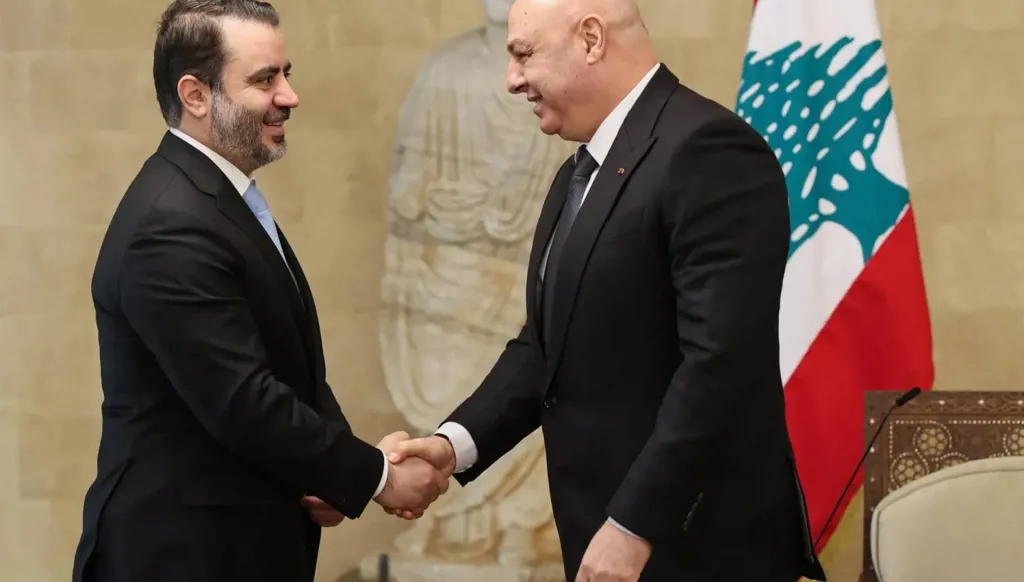


Syrian Foreign Minister Asaad Al-Shaibani’s visit to Beirut today comes as Lebanon’s political scene remains tense over the escalating repercussions of the framework signed between Lebanon and Israel under American auspices. The implementation of its first steps is still awaiting the completion of the executive and procedural measures being carried out by the American military leadership.
Although progress on launching the framework agreement has stalled, with reports indicating a postponement of the start of the two experimental zones, both the field and diplomatic landscapes reflect what concerned parties describe as a clear state of calm on the southern front.
While military operations continue at a lower intensity, this calm is expected to facilitate the implementation of the first trial phase. Concerned parties remain optimistic about its success, citing significant American pressure on both sides to ensure the agreement succeeds before expanding the model to additional areas in southern Lebanon.
They also noted that despite the sharp political campaigns launched by the Shiite duo against the agreement and the government, the overall domestic atmosphere indicates a commitment to keeping opposition within political boundaries, regardless of the intensity of the rhetoric.
President Joseph Aoun’s remarks yesterday praising Parliament Speaker Nabih Berri for his stance against strife and attacks on the army further reflected a broad consensus to keep political disagreements within institutional limits. At the same time, Berri dismissed reports suggesting he intended to revive a front opposing the May 17 Agreement and work to bring down the new framework, stressing that circumstances have changed.
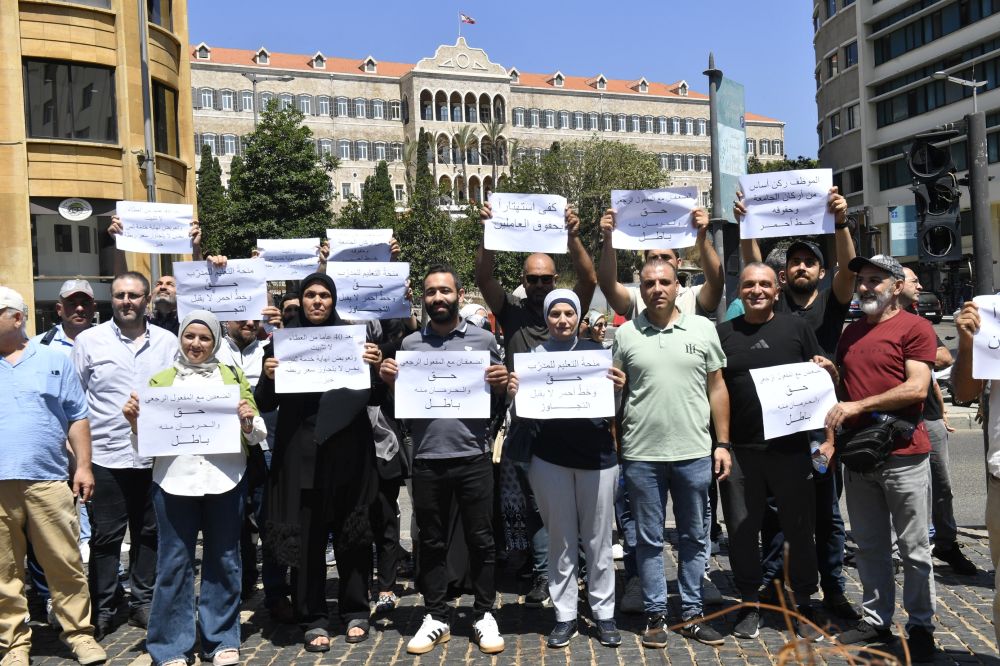
Tents at Beirut Waterfront Dismantled, Displaced Relocated to Other Shelters
In line with signs pointing to a reduced risk of renewed escalation, the Central Operations Room at the Prime Minister’s Office announced that, following the ceasefire and the continued return of displaced residents to their homes, all tents set up along the Beirut waterfront had been removed, along with other unauthorized encampments in the capital. The few remaining displaced families have been relocated to designated shelters.
The statement added that the measure is part of the state’s broader plan to dismantle unauthorized gatherings established during the displacement period while providing housing alternatives for families that are still unable to return to their hometowns.
Aoun responds to critics of the framework agreement: "Lebanon, as a sovereign state, chose to negotiate on its own behalf"
Addressing criticism of both the framework and the government, President Joseph Aoun stressed yesterday that the framework signed in Washington includes provisions concerning Israeli withdrawal, the return of displaced persons, prisoners, and the remains of Lebanese citizens held in Israel, emphasizing that it is "not an agreement but a framework."
He reiterated that Lebanon, as a sovereign state, chose to negotiate on its own behalf without abandoning its judicial, political, or field principles, contrary to claims made by some critics. Aoun also praised Speaker Nabih Berri for drawing two firm red lines: preventing civil strife and protecting the army, noting that there is broad national consensus on both issues.
The President called on opponents of the negotiations and the framework to present alternatives or voice their objections through state institutions, reaffirming that while political disagreement is legitimate, division is not. He urged all parties to avoid taking disputes to the streets or distorting facts by portraying the framework as surrender or humiliation.
Aoun also denied reports suggesting plans to dismiss Army Commander General Rodolphe Haykal or the heads of the security agencies, except for the Director General of Public Security, praising their performance and ongoing efforts.
Supporting the government’s approach and the signing of the recent framework in Washington, the Kataeb Party said the agreement’s success depends on proper implementation and on a genuine political commitment to strengthening the state and preventing any attempts to obstruct the process. It argued that the alternative would be continued occupation, destruction, and Lebanon’s remaining hostage to illegal weapons.
The Kataeb Party also described warnings of civil strife and civil war issued by what it called the "resistance's" mouthpieces as calls for rebellion against the Lebanese state, stressing that any attempt to impose realities outside constitutional legitimacy is destined to fail in the face of public support for state institutions.
Shaibani's Visit aimed at opening a new chapter in Syrian-Lebanese relations
According to Syrian diplomatic sources, Al-Shaibani's visit to Beirut is part of a political effort aimed at opening a new chapter in Syrian-Lebanese relations. During his meetings, he is expected to present a Syrian political initiative that supports the Lebanese state’s efforts to place all weapons under state authority through a consensual political process.
The initiative seeks to avoid internal confrontation or security divisions in Lebanon, reflecting Damascus’ belief that this issue should be addressed through dialogue and national consensus rather than through the imposition of facts that could trigger domestic unrest.
The sources added that Al-Shaibani’s meeting with Parliament Speaker Nabih Berri will carry particular significance, focusing on ways to ease internal tensions and exploring Syria’s role, in coordination with Arab and regional partners, in containing any tensions that may accompany the next phase and preventing Lebanon from sliding into internal conflict amid ongoing regional changes.
Al-Shaibani’s itinerary includes meetings with the three presidents, the foreign minister, and several political leaders.
On the Israeli side, Prime Minister Benjamin Netanyahu said Israel would do everything possible to reach a peace agreement with Lebanon. He added that Israel would remain in the security zone in southern Lebanon for as long as necessary, saying Iran had sought to force Israel to withdraw from southern Lebanon, "and this will not happen."
Netanyahu also argued that the framework with Lebanon recognizes Israel’s right to maintain the buffer zone until the threats posed by Hezbollah are eliminated.
Meanwhile, Israeli Defense Minister Yisrael Katz said during a memorial ceremony for soldiers killed in the 2006 Lebanon war that "we are fighting in Lebanon to change reality, not to return to the situation that existed before."
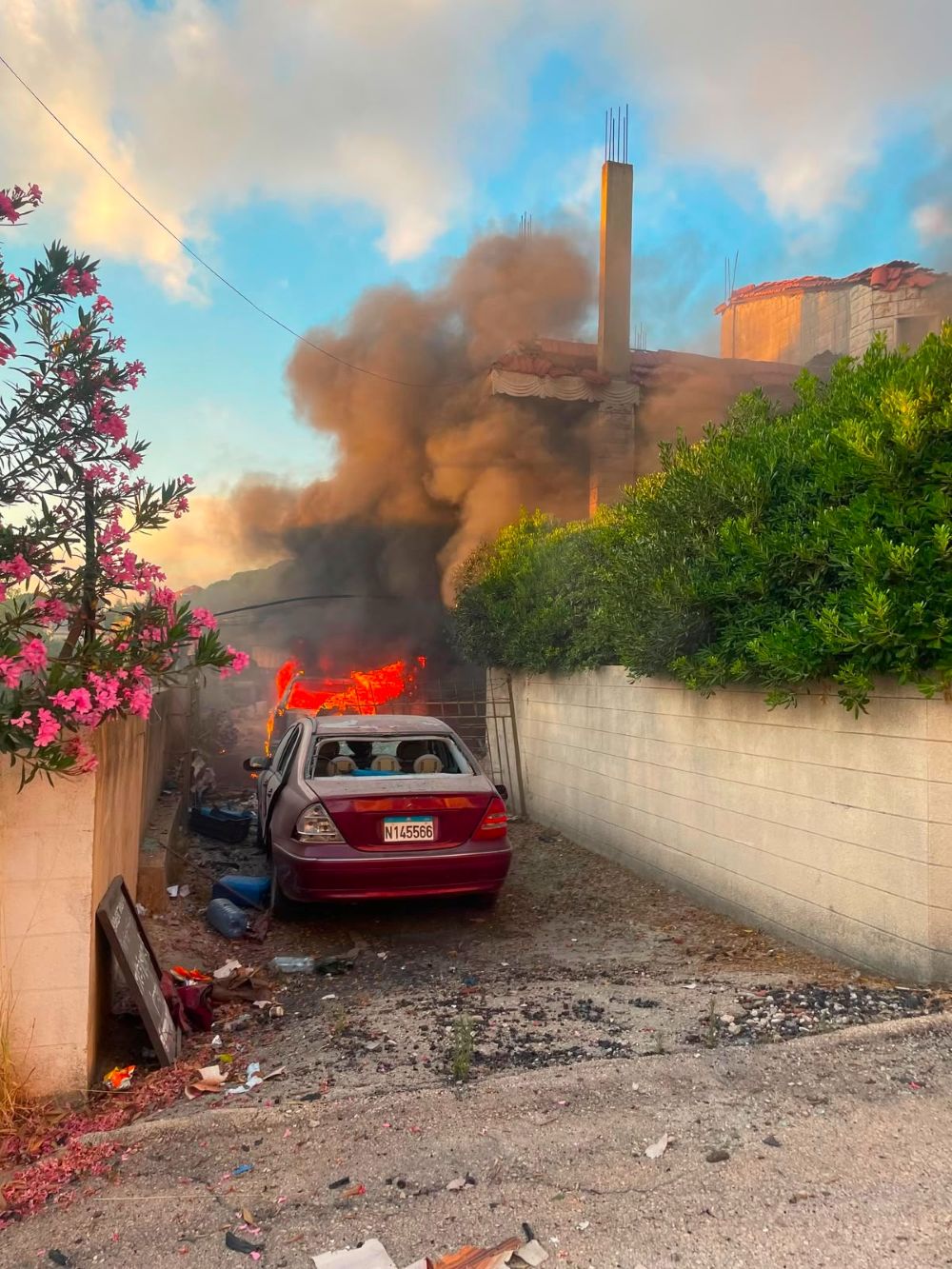
Meanwhile, reports indicated yesterday that Israeli forces had established passage gates between the first and second lines, the Yellow Zone, the border area, and the territory south of the Litani River.