

Doha Talks Show Progress as Washington and Tehran Prepare Next Round
Qatar says negotiators agreed to continue indirect talks after reporting progress, while security concerns in the Strait of Hormuz and regional flashpoints remain unresolved.



 Messenger
 Whatsapp
 Threads
 Email
Email
 Print
Print
 X
X
 Facebook
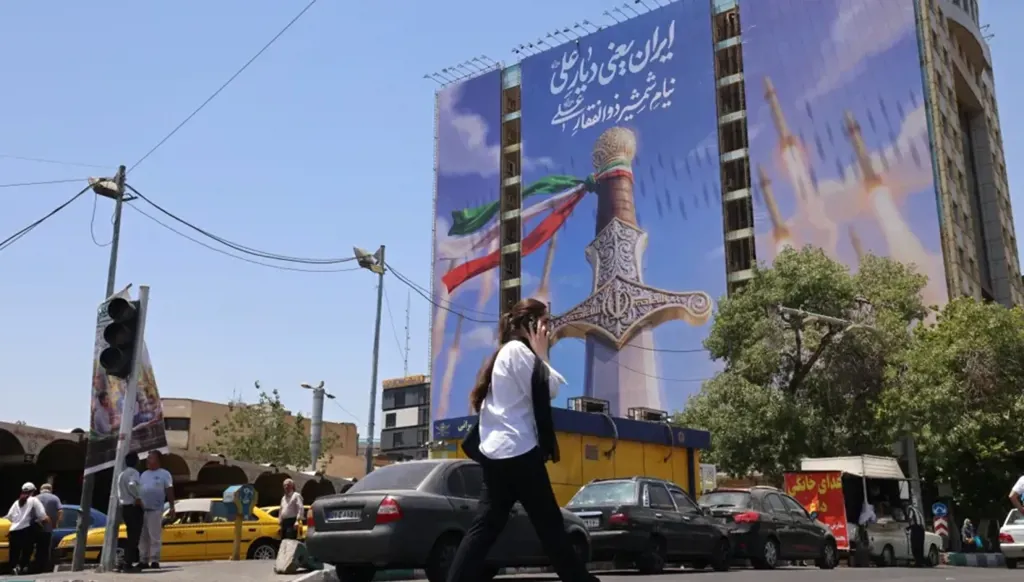


Qatar announced what it described as "positive" progress in the indirect negotiations between the United States and Iran held in Doha, with Qatari and Pakistani mediation, according to Foreign Ministry spokesperson Majed Al-Ansari.
The announcement comes amid ongoing tensions in the Strait of Hormuz, as the parties agreed to continue discussions and set a date in the near future for the next round of talks.
Doha: Positive Progress and Continuation of the Negotiation Process
Qatar's Foreign Ministry spokesperson Majed Al-Ansari announced the conclusion of a round of separate meetings between the American and Iranian delegations, held with Qatari-Pakistani mediation. He confirmed that the talks achieved "positive progress" on issues related to the memorandum of understanding signed in Islamabad.
He said, "The parties agreed to continue the talks and set a near date for the next round, as part of efforts to contain escalation."
Negotiations Under Field Pressure
The talks come amid continued security tensions following exchanges of strikes between the two sides in recent weeks, making the diplomatic track closely tied to developments on the ground. In this context, Washington said the objective is to maintain a "temporary calm" that would allow progress on the terms of the agreement, particularly those related to de-escalation.
Trump and Vance: Conditional Optimism
President Donald Trump praised the progress of the negotiations, describing the meetings as "very good" and saying the issue of nuclear disarmament is "advancing well." Vice President J.D. Vance also said the talks are "going well," while stressing that their continuation depends on Iran's conduct in the next phase.
Strait of Hormuz Transit
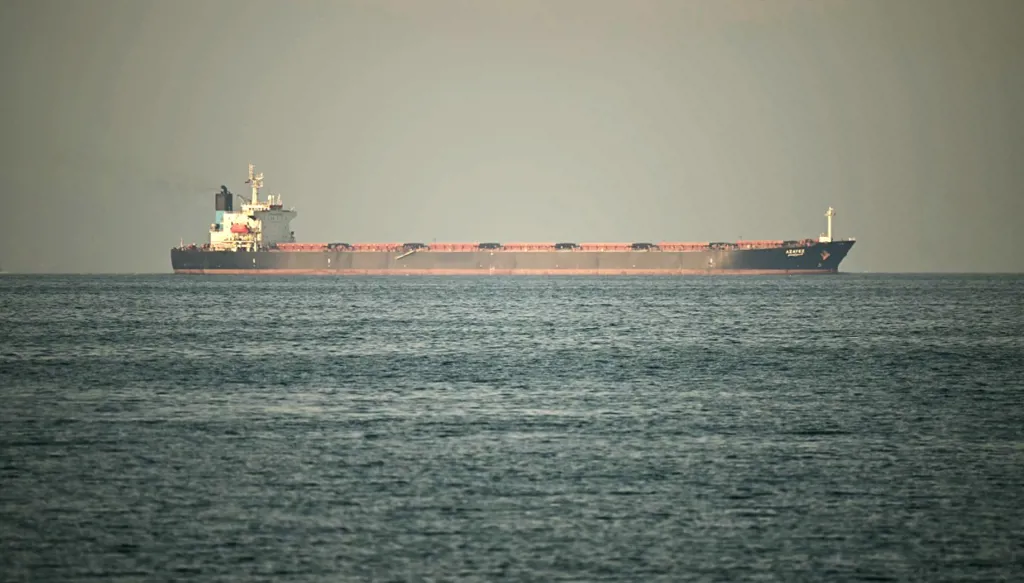
Iran and Oman both claim sovereignty over transit through the Strait of Hormuz and have announced they are considering imposing service fees. However, the United Nations Convention on the Law of the Sea, which Tehran has not ratified, guarantees unimpeded freedom of navigation through straits used for international navigation.
Despite U.S. opposition, Iran insists that the situation in this vital waterway for global energy supplies and maritime trade will not return to its pre-war status, when passage was free. It has also threatened to target ships attempting to cross through unauthorized routes.
Ghalibaf: Mutual Commitments and Complex Implementation
Iranian Parliament Speaker Mohammad Bagher Ghalibaf said his country is committed to implementing the agreement but stressed that the United States must also uphold its commitments. He warned that implementation is expected to be difficult following a war of such magnitude.
He added that the Iranian delegation is focusing on several sensitive issues, most notably the situation in Lebanon and the regulation of navigation through the Strait of Hormuz.