

Lebanon’s displaced face uncertain future as return and reconstruction efforts lag behind
As thousands begin returning to devastated border areas, many families are left without homes, shelter options, or clear alternatives for survival and resettlement.



 Messenger
 Whatsapp
 Threads
 Email
Email
 Print
Print
 X
X
 Facebook


The Minister of Social Affairs, Haneen El-Sayed, announced that 40% of the displaced have returned to their areas, confirming that the government is working on a plan for return, recovery, and reconstruction. But where will those who lost their homes, or who cannot return to the “yellow zone”, go?
Returnees to the Unknown
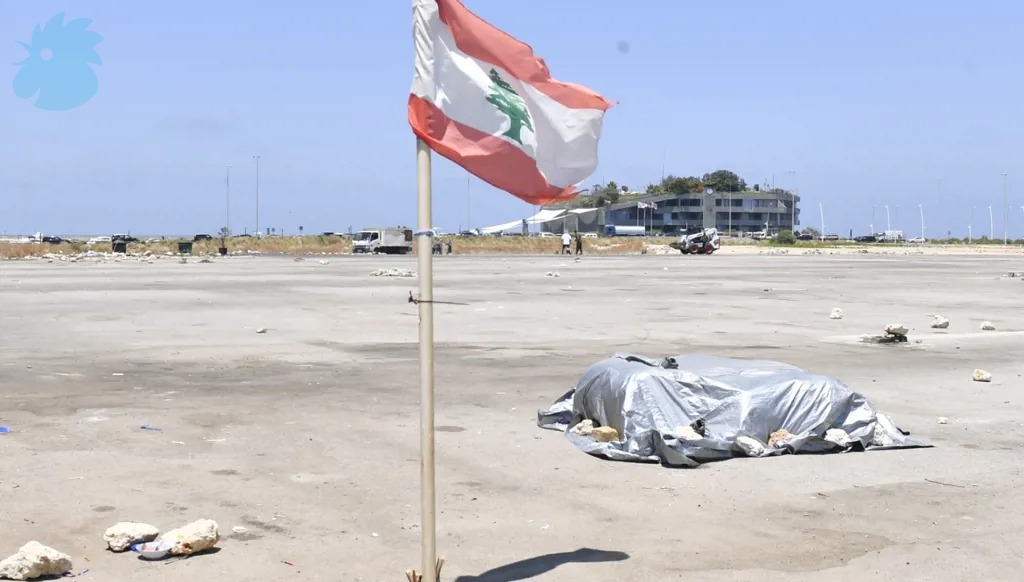
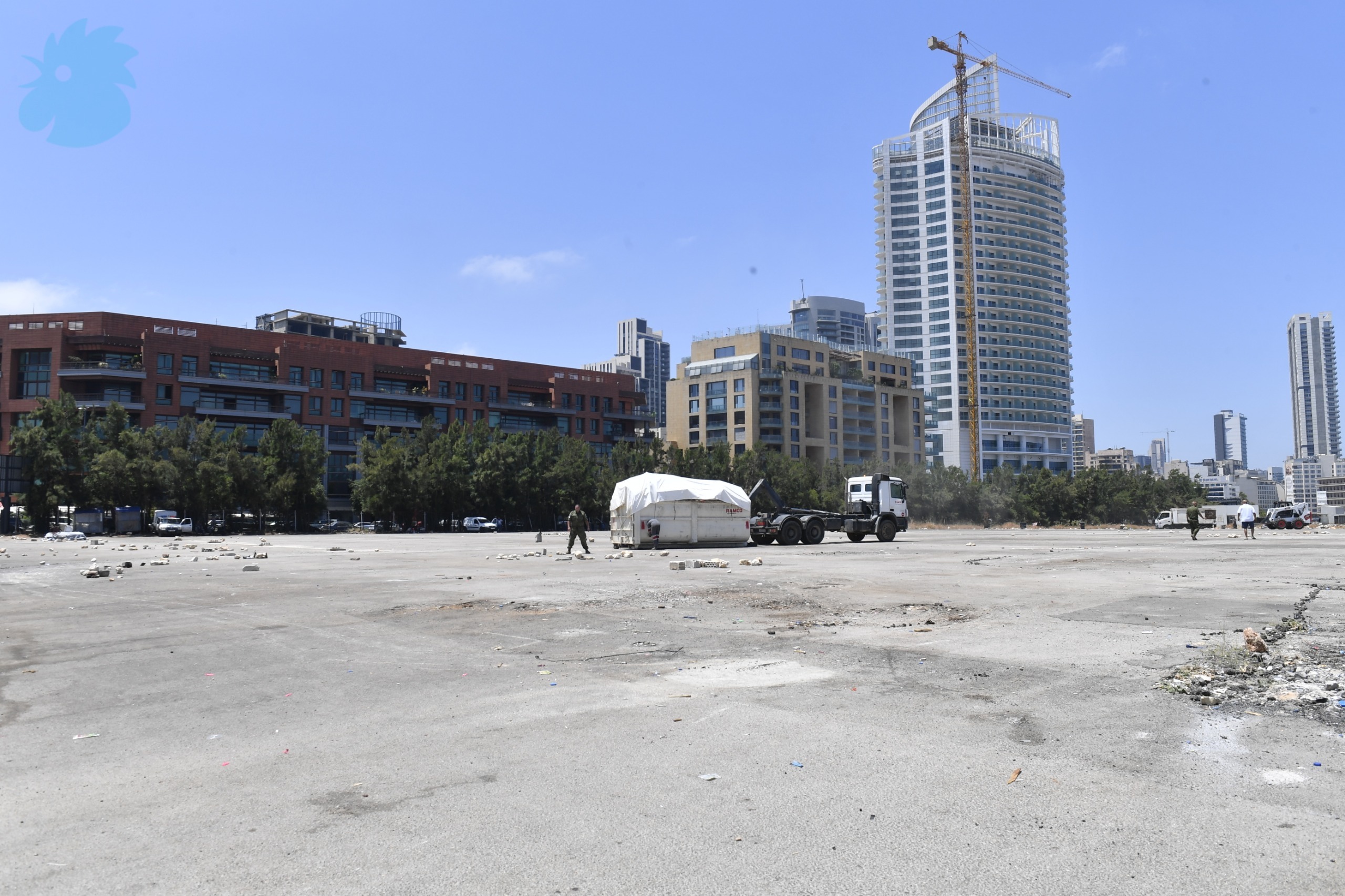
The displaced Mohammad Y. stands in front of his tent near the Beirut waterfront, waiting for the arrival of security forces, who have notified him and others of the need to dismantle the tents after the ceasefire entered its third week and the situation in the south had somewhat stabilized.
However, what Mohammad and 15 displaced families from border towns are facing is far from simple. They have no town to return to—and even if they did, they no longer have homes, as the Israeli army destroyed most of the front-line towns, continuing what began just hours after the ceasefire took effect on November 27, 2024, and intensifying after March of the following year.
The Ministry of Social Affairs says alternatives have been provided, without giving details. But according to the displaced, the proposed solution is relocation to the Sports City—an option many reject due to unsuitable living conditions, especially after the last three months’ experience and the hardship faced by those living in tents under the bleachers.
Beirut and Regions
The situation in Beirut is echoed in other areas, including the Sibline Center, which hosted hundreds of displaced families and whose administration has asked those remaining to leave. According to Tarek Mazraani, head of the Sons of Border Towns Association, efforts to find alternative accommodation are ongoing but face major difficulties. He told Annahar that most displaced people from border towns were staying in the Nabatiyeh area before last March, but with the expansion of hostilities, they were forced again to move toward Sidon, Beirut, and areas in Mount Lebanon and the north.
However, returning to some Nabatiyeh towns remains unsafe, particularly Kfar Roummane, Kfar Tebnit, Mayfadoun, and others, where most of the families who lost their homes in border areas were living. As a result, the search for safe housing continues, amid rising rents and the inability of municipalities to provide accommodation for those unable to rent homes or apartments.
The “Popular Coordination,” which has been assisting the displaced, rejected what it described as “arbitrary and repressive measures” against displaced people, especially in unofficial displacement sites not formally registered as shelters. It pointed to “deception, escalating violence, and the destruction of tents to restrict their presence to the smallest possible area, forcibly evacuating remaining tents on Beirut Forest pavements under the pretext of an unofficial ceasefire” during the past week.
Froun and the Shelter
Regarding returnees to Froun School, municipal chairman Hassan Bazzi told Annahar that 19 families who lost their homes have returned to the town and settled in the school, as there is no capacity for more. Around 60 families have returned after quick renovations allowing temporary stay. He noted that the destruction rate in the town has reached 80%, meaning around 200 residential units are completely destroyed, in addition to nearly total damage to about 90 residential units, out of a total of 400 housing units in the town.
Asked whether there is official attention for returnees, he replied: “We have the first shelter in the Bint Jbeil area, but so far the Ministry of Social Affairs has not communicated with us, and the municipality is helping returnees according to its limited capabilities.”
There has been some communication with the South Council, which expressed full readiness to assist, while the “Collaborate” Association provided 50 food parcels for returnees, awaiting further support given the current difficulties of reconstruction.