

Direct U.S.-Iran talks underway in Doha as Lebanon and Hormuz take center stage
Annahar has learned that Washington and Tehran are holding direct negotiations in Doha, with the Strait of Hormuz and Lebanon emerging as key priorities alongside efforts to implement a broader regional peace framework.



 Messenger
 Whatsapp
 Threads
 Email
Email
 Print
Print
 X
X
 Facebook
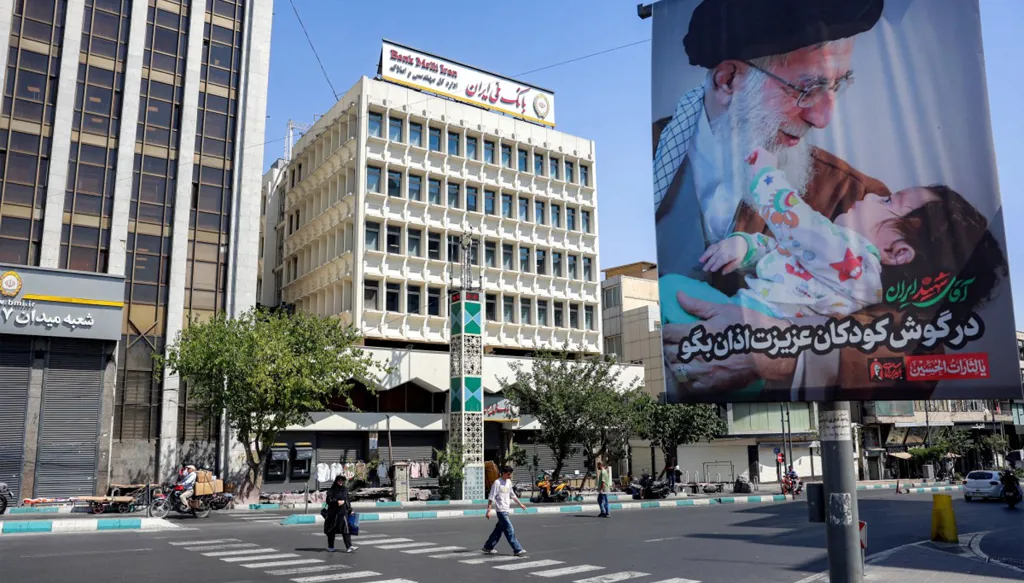


Exclusive information obtained by Annahar reveals that the negotiations taking place in Doha between the American and Iranian sides, which began yesterday, are continuing through "direct" talks between the two delegations, contrary to what has been circulated.
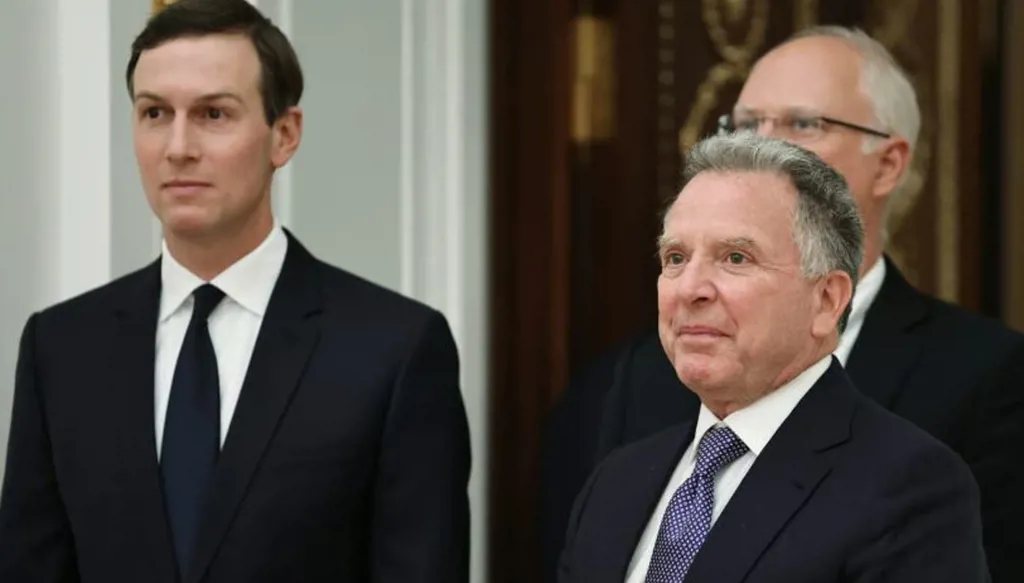
The discussions are being held at a high diplomatic level, with U.S. envoys Steve Witkoff and Jared Kushner representing Washington, facing a large Iranian delegation headed by Iranian Deputy Foreign Minister Kazem Gharibabadi, alongside a notable presence by the Sultanate of Oman.
Diplomatic sources told Annahar that the two main files currently under discussion are the Strait of Hormuz and the Lebanese file.
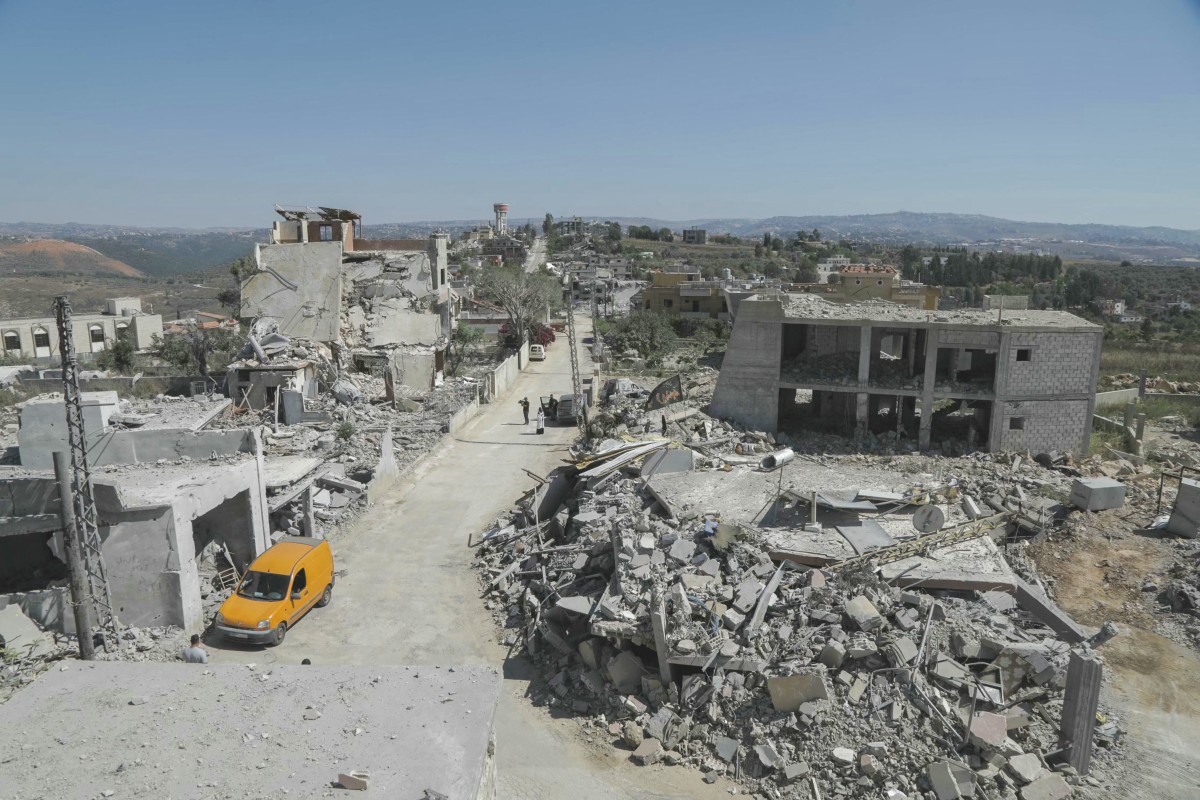
Indirect Talks Between U.S. and Iranian Envoys on Wednesday in Doha
Meanwhile, a diplomat familiar with the negotiations told Agence France-Presse (AFP) that U.S. and Iranian envoys are holding indirect technical talks on Wednesday in Doha as part of implementing the memorandum of understanding aimed at ending the war in the Middle East.
Speaking on condition of anonymity, the diplomat said that U.S. and Iranian officials are conducting indirect technical talks through Qatari and Pakistani mediators. He added that Jared Kushner and Steve Witkoff are not participating in these technical discussions.
Instead, Kushner and Witkoff met on Tuesday with Qatar's Prime Minister and Foreign Minister Sheikh Mohammed bin Abdulrahman Al Thani to discuss the latest developments in the ongoing talks between the United States and the Islamic Republic of Iran, according to a statement issued by Qatar's Ministry of Foreign Affairs.
The meeting also addressed the ceasefire in Lebanon, stressing the importance of consolidating it and building upon it in order to preserve Lebanon's unity, sovereignty, and stability.
Washington and Tehran had previously announced the dispatch of their representatives to Qatar to discuss the implementation of the memorandum of understanding aimed at ending the war that began following the initial U.S. and Israeli strikes on Iran on February 28.
The memorandum, signed by both sides on June 17 under Qatari and Pakistani mediation and followed by a summit in Lucerne, Switzerland, includes several key provisions.
Among them are ending the fighting on all fronts, reopening the Strait of Hormuz, lifting the American blockade on Iranian ports, releasing part of Tehran's frozen assets, and negotiating a final agreement within a renewable 60-day period.
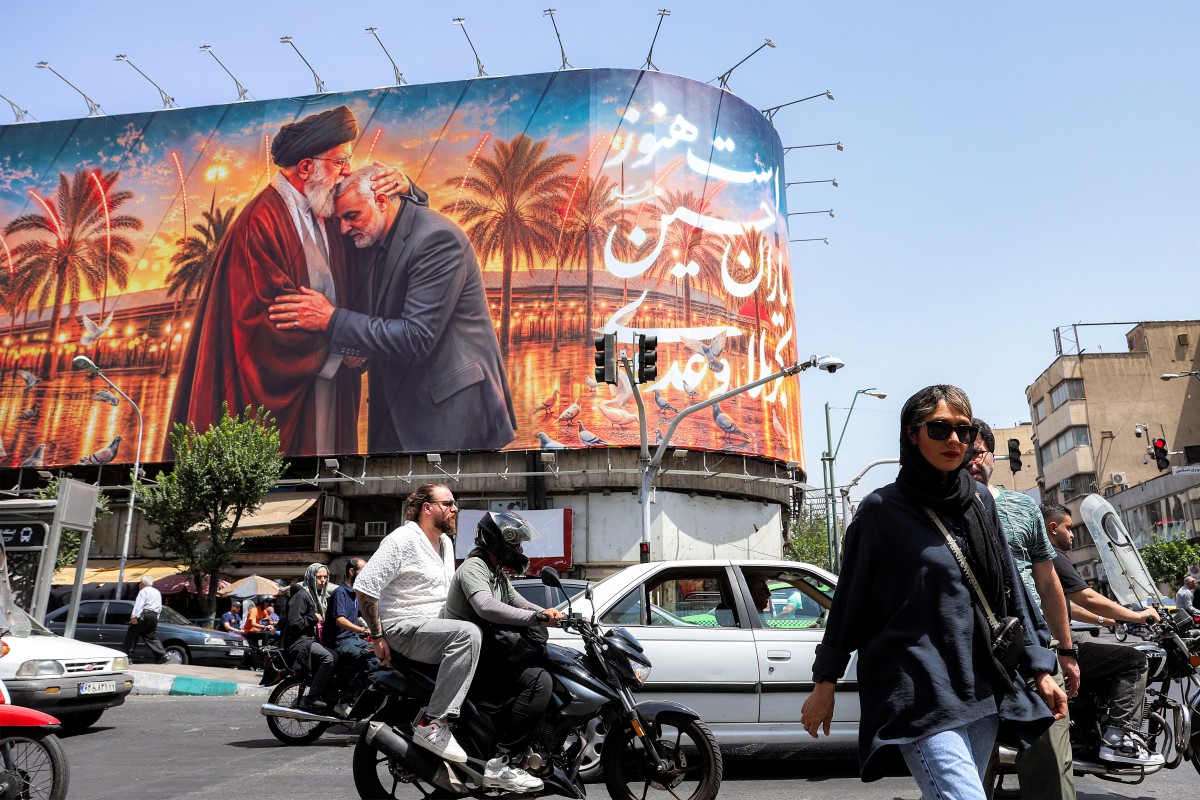
Although Iran initially denied any intention of participating in the talks, the Iranian Foreign Ministry confirmed on Monday that it had sent a team of experts headed by Deputy Foreign Minister Kazem Gharibabadi to Qatar.
However, Foreign Ministry spokesman Esmail Baghaei rejected reports suggesting direct communication with U.S. officials, as indicated by U.S. President Donald Trump. "We will not hold any negotiation meetings with the United States at any level," Baghaei said.
Negotiation Pathways and Complex Issues
The technical committees are now racing against time to meet the 60-day deadline set by the memorandum of understanding, during which both sides are expected to negotiate a permanent peace agreement to end the conflict that has continued for four months.
The most contentious issues currently being negotiated include drafting precise provisions to guarantee freedom of maritime navigation, removing naval mines, establishing clear monitoring mechanisms for Iran's nuclear program, and determining the future of U.S. economic sanctions.
Financial File and Representation Level
On the financial front, negotiators are examining mechanisms to activate the clause providing for the release of approximately $12 billion in frozen Iranian assets for "humanitarian purposes." Under this arrangement, Doha serves as the exclusive financial mediator to oversee the transfer of funds and shipments.
The work of the current technical committees represents a continuation of the elevated political engagement established during the recent summit in Lucerne, Switzerland, where, for the first time, U.S. Vice President J.D. Vance and Iranian Parliament Speaker Mohammad Bagher Ghalibaf met and agreed on the broad framework for the negotiations.