

Israel officially recognizes Armenian genocide: How did Turkey react?
For the first time, Israel officially recognizes the Armenian Genocide, signaling a dramatic shift in its approach to Turkey amid worsening regional tensions.



 Messenger
 Whatsapp
 Threads
 Email
Email
 Print
Print
 X
X
 Facebook
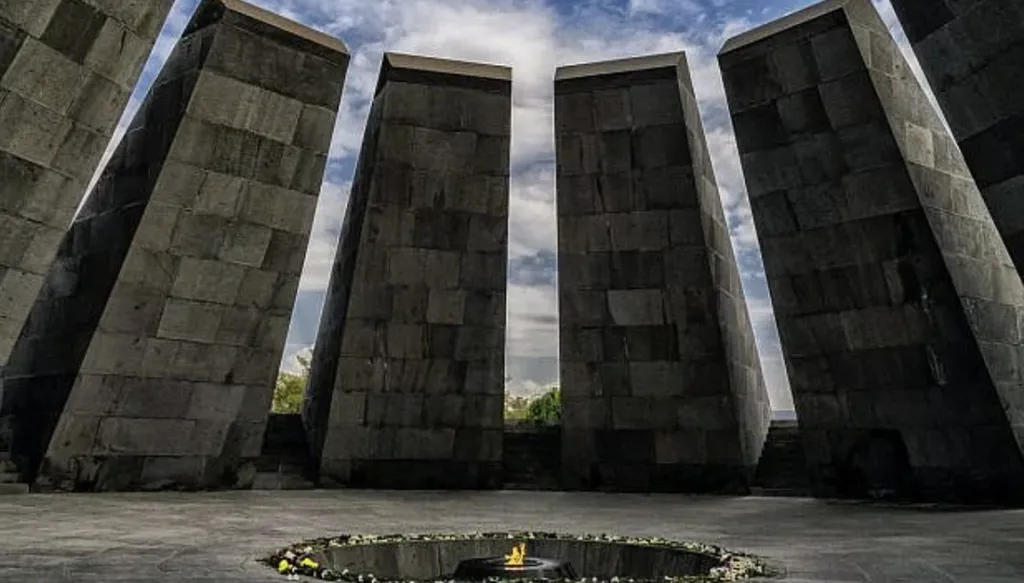


For the first time, Israel has decided to officially recognize the “Armenian Genocide” committed by the Ottoman Empire in 1915. The decision, which comes amid an unprecedented deterioration in relations with Turkey, raises questions about its motives and implications, and whether it carries political messages.
Historians estimate that up to 1.5 million Armenians were killed by the Ottoman Turks during World War I, an event widely viewed by researchers as the first genocide of the 20th century. Turkey denies that these deaths constituted a genocide.
For many years, Israel avoided officially addressing this issue in order to avoid angering Turkey. However, relations between the two countries have deteriorated over the past two decades, especially after the rise of Turkish President Recep Tayyip Erdoğan and the recent wars in Gaza, Lebanon, and Iran.
Turkey described the Israeli recognition as a “politically motivated” move aimed at diverting attention from Israel’s actions against the Palestinians.
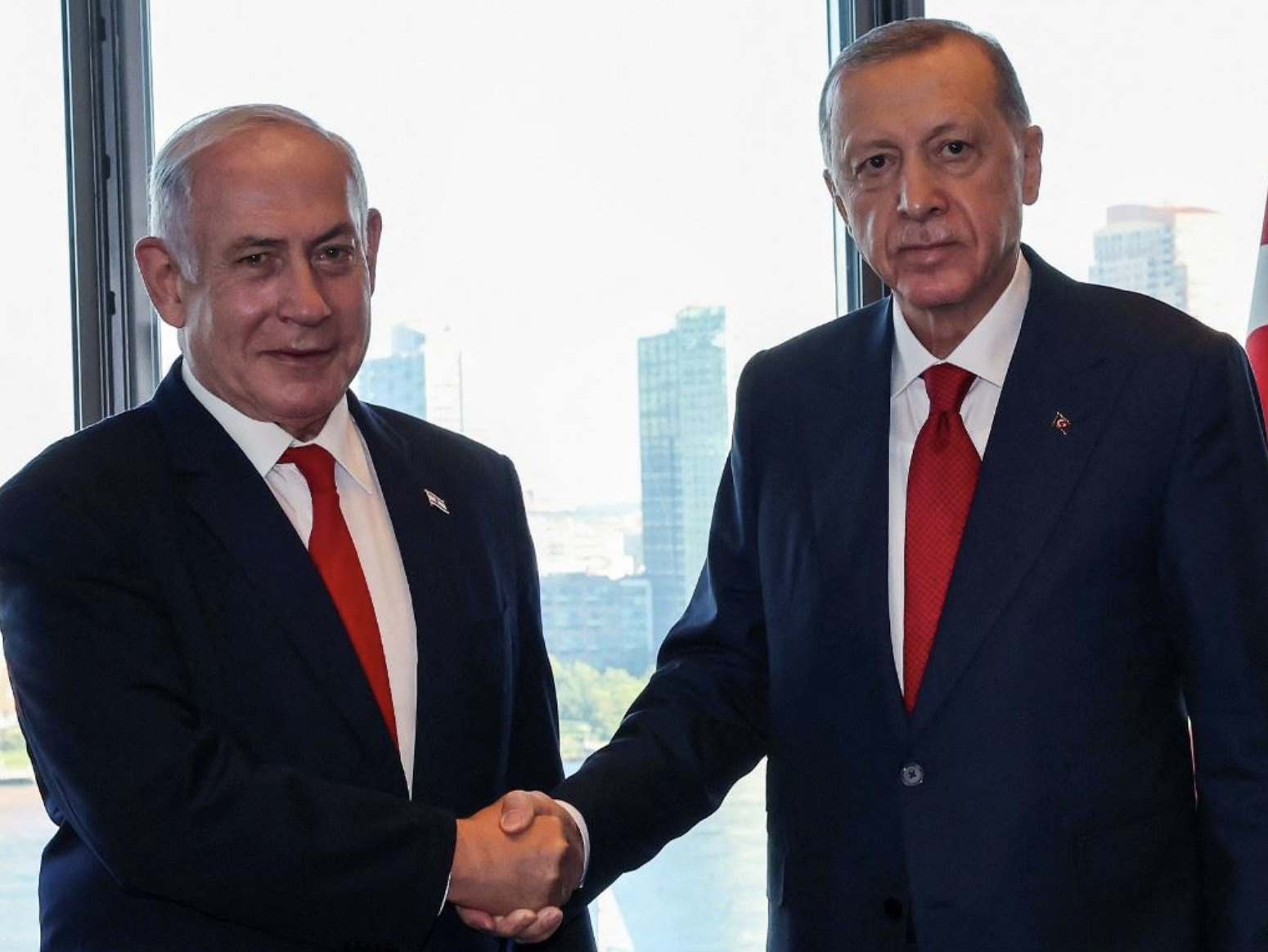
Exploiting the Armenian Tragedy
Dr. Samir Salha, a professor of law and international relations in Istanbul, tells Annahar that Israel’s decision to recognize the Armenian Genocide cannot be separated from the ongoing deterioration in relations with Turkey.
He rules out that Tel Aviv will achieve “strategic gains” from this step, explaining that it will not be able to use the decision “effectively” against Ankara. In his view, the recognition will increase the complexity of Turkish-Israeli relations, but will not change the handling of the Armenian issue on an international level.
He adds that the move may help strengthen rapprochement between Israel and Armenian communities in the West, but it will not affect the stance of the Armenian leadership.
He notes that Armenia’s current prime minister follows a policy of openness with neighboring countries, including Turkey, which may limit the use of the Armenian issue as a pressure card against Ankara.
He concludes that Israel is aware the Armenian issue receives significant attention in Western capitals, and therefore one of its broader aims may be to strengthen relations with Armenian communities in Europe and the United States. This would enhance its strategic presence and alliances, rather than producing an actual shift in Armenia’s position or Turkey’s policies.
The Cost of Angering Turkey 'Reduced'
Israeli affairs researcher Yasser Manaa tells “Annahar” that Israel chose to recognize the Armenian Genocide at this time because the “cost of angering Turkey has diminished” following the sharp deterioration in relations between the two sides, especially since the Gaza war.
He adds that for decades Israel avoided this step to preserve its relationships with Turkey and Azerbaijan, but the political calculation changed when Ankara was no longer seen as a strategic partner as it once was.
Manaa notes that the recognition will increase tensions with Turkey, as Ankara considers the Armenian issue highly sensitive and rejects describing the 1915 events as genocide. He says it can therefore be read as a clear political message to Turkey, especially given its timing alongside disputes over Gaza, Syria, and the Eastern Mediterranean, and the absence of a moral dimension in the official Israeli discourse.
An Israeli Decision 'In Spite of Turkey'
Writer Nihad Abu Ghosh, an Israeli affairs specialist, says in his discussion with Annahar that the unanimous Israeli government decision is closer to a “spite against Turkey” than a recognition of the Armenian tragedy or an expression of solidarity with it. He asks: if this were Israel’s conviction, why was recognition delayed 78 years? He answers that the reason is clear: Turkey was one of Israel’s closest allies during the first five decades after the establishment of the State of Israel, until the Justice and Development Party came to power, which led to escalating tensions and a deterioration in relations.
He points out that in Israel there are right-wing voices claiming that a confrontation with Turkey, and possibly Egypt, is inevitable. These voices have become more widespread since the start of the American-Israeli war on Iran, amid a sense of euphoria and overconfidence in Israel’s strength.
Regarding Israel’s relationship with Armenians, Abu Ghosh says it is not a special relationship, despite the presence of a long-established Armenian community in Jerusalem, Bethlehem, and inner cities, especially Jaffa and Haifa. He adds that Israel has attempted to draw Armenians away from Palestinian society but has not achieved notable success.
Escalating Israeli-Turkish rivalry
Dr. Nabil Khoury, a political science and international relations expert, tells Annahar that due to Turkey’s failure to resolve this issue—which remains unavoidable in the context of Turkish-Armenian historical reconciliation—Ankara keeps open the possibility of using the recognition of the Armenian Genocide as diplomatic leverage by various parties, including Israel, which approaches the matter opportunistically.
According to Khoury, Israel now sees in this recognition a card that can be used against Turkey and its president for various motives and objectives.
He adds that on one hand it represents a response to systematic Turkish pressure regarding the genocide issue in Gaza, while on the other it falls within the framework of escalating Israeli-Turkish competition in the Middle East.
Khoury sees the Israeli move as aimed at creating “confusion” regarding Turkey’s position in American politics in the region.
Thus, Israel’s recognition of the “Armenian Genocide” appears to have come at a time shaped more by political calculations than historical reconsideration. While it adds a new source of tension with Ankara, its practical impact remains limited, and its main message appears to be tied more to the Israeli-Turkish conflict than to the Armenian issue itself.