

Lebanon between Iranian leverage and Israeli withdrawal: A defining strategic moment
As regional power struggles intensify and external negotiations shape the political landscape, Lebanon faces mounting pressure to define its position between competing influences and determine the future of its sovereignty and southern borders.



 Messenger
 Whatsapp
 Threads
 Email
Email
 Print
Print
 X
X
 Facebook


The Beginning of Iran's Success
Iran's success in bringing successive US administrations under pressure began with the hostage crisis at the US Embassy in Tehran. In November 1979, a group of "revolutionary students" seized the American diplomats at the embassy, which was then labeled the "Den of Spies," and held them captive for 444 days.
The outcome was that Iran succeeded in striking a deal with Donald Reagan, who had defeated Jimmy Carter in the US presidential election. This came after Iran pledged not to release the detained American diplomats before the presidential election.
Iran has never abandoned its strategy of blackmailing the United States. The assassination of Qassem Soleimani, commander of the Quds Force within the Islamic Revolutionary Guard Corps, in early 2020 near the end of Donald Trump's first presidential term, was an exceptional event. It was preceded by Trump's withdrawal in 2018 from the nuclear agreement that the Barack Obama administration had signed with the Iranian regime in 2015.
Unfortunately, what we are witnessing today bears no resemblance to Donald Trump's approach during that earlier period. What we are seeing instead is a renewed American submission to Iran's game, a game based on blackmail and nothing more.
Under these circumstances, Lebanon has no choice but to refuse to become part of Iran's blackmail strategy while, at the same time, taking advantage of the presence of a faction within the US administration represented by Secretary of State Marco Rubio. This faction fully understands the danger of falling into the Iranian trap that the memorandum of understanding has now come to symbolize.
Lebanon faces a difficult choice
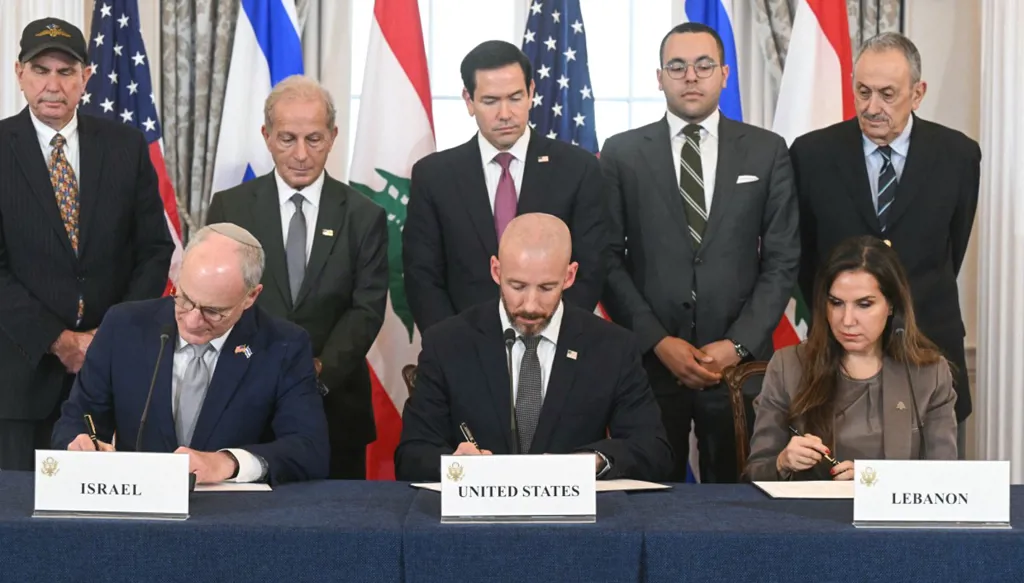
From this perspective, it becomes possible to understand why Lebanon took a bold step by signing the framework agreement with Israel, which committed itself to withdrawing from Lebanese territory if Lebanon fulfilled its obligations. At the forefront of these obligations is the removal of Iran’s weapons, namely the weapons of Hezbollah, which has placed itself in the service of the occupation.
The ball is now in Lebanon’s court. Can Lebanon rise to the level required by the framework agreement? This is the major question. It requires a significant shift in the position of the Speaker of Parliament Nabih Berri regarding the framework agreement, which needs the support of all segments of Lebanese society, especially the Shiite community.
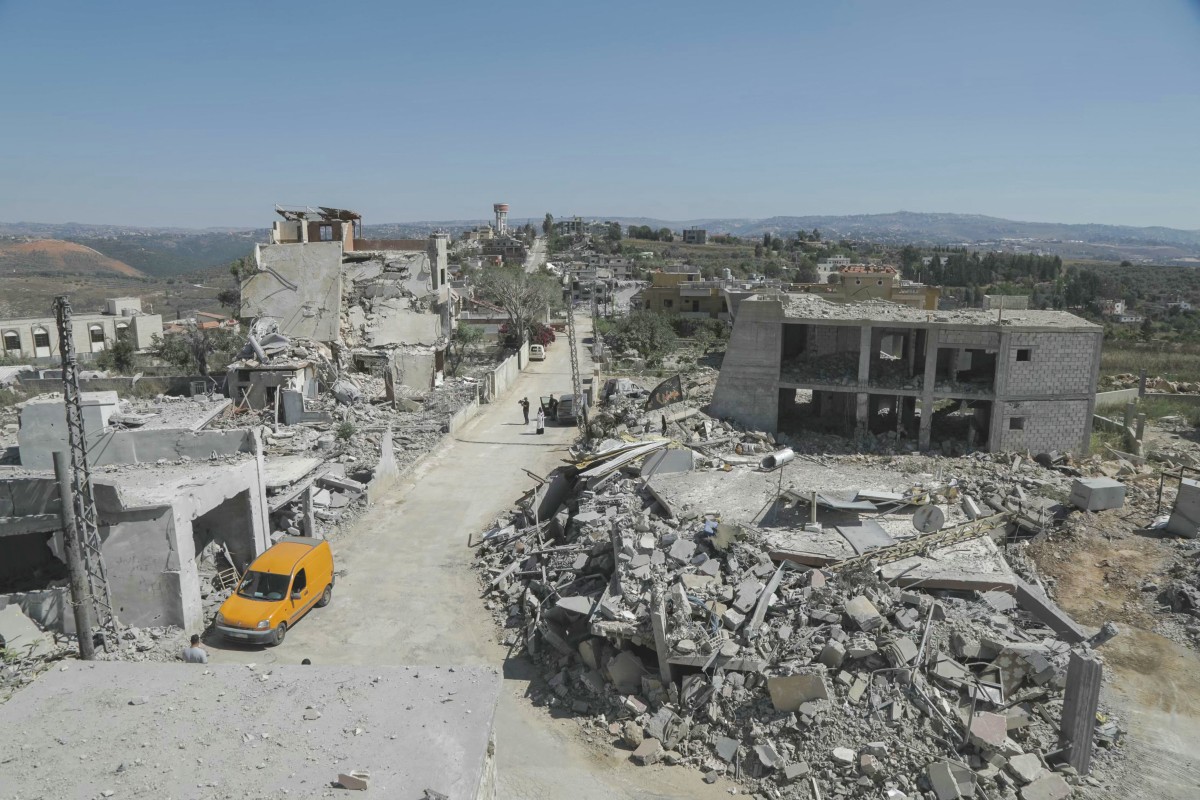
Will Nabih Berri stop believing that Iran will restore the south to Lebanon? Such a belief is nothing more than a summer night's dream. The occupied south will not be returned, nor will people be able to go back to their villages, except through direct negotiations with Israel, which occupies the land, continuously demolishes homes, and is reshaping the very nature of the south.
Lebanon stands at a crossroads. Much will depend on whether it is capable of fulfilling its commitments. In the absence of that, there will be no way to end the Israeli occupation of the south, an occupation that is likely to persist for a long time in the absence of a Shiite force that stands up to Hezbollah and tells it that tying Lebanon to the Iranian file is the shortest path to prolonging the occupation. Is this what Nabih Berri and most members of the Shiite community want?
Disclaimer: The opinions expressed by the writers are their own and do not necessarily represent the views of Annahar.