

Trump Keeps Military Option Alive as U.S.-Iran Talks Continue



 Messenger
 Whatsapp
 Threads
 Email
Email
 Print
Print
 X
X
 Facebook
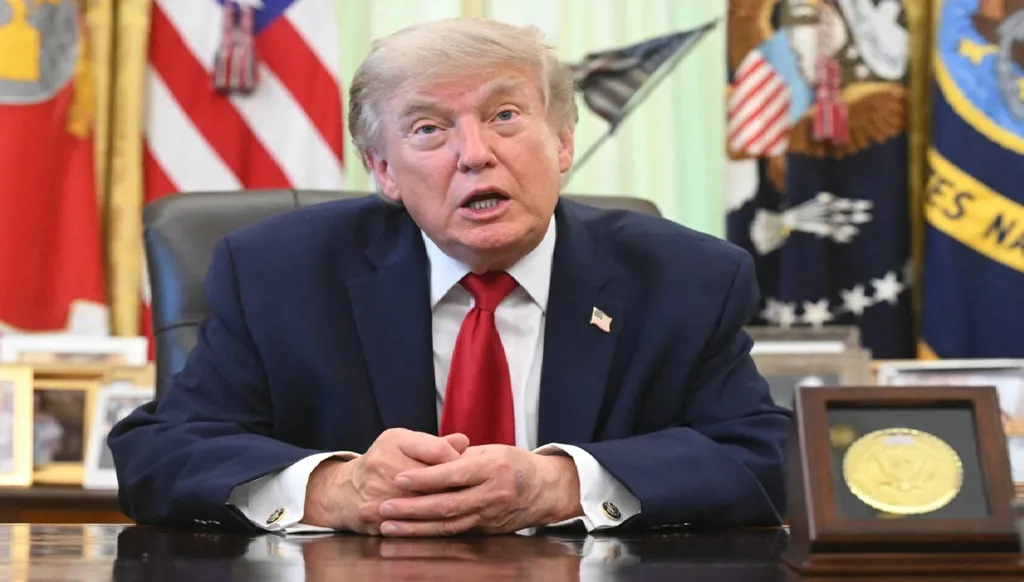


The Wall Street Journal reported on Tuesday, citing informed sources within the U.S. administration, that President Donald Trump recently held several discussions with Defense Secretary Pete Hegseth and Chairman of the Joint Chiefs of Staff General Dan Caine to consider the possibility of returning to an all-out war against Iran. However, he ultimately decided to continue diplomatic negotiations for the time being.
According to the sources, the discussions focused on whether Washington should abandon dialogue and resume large-scale military strikes, a move some officials described as "mission accomplished."
Although Trump has not made a final decision, he told his aides that he believes launching another round of comprehensive attacks could derail diplomacy and ultimately reduce the chances of dismantling Iran's nuclear program.
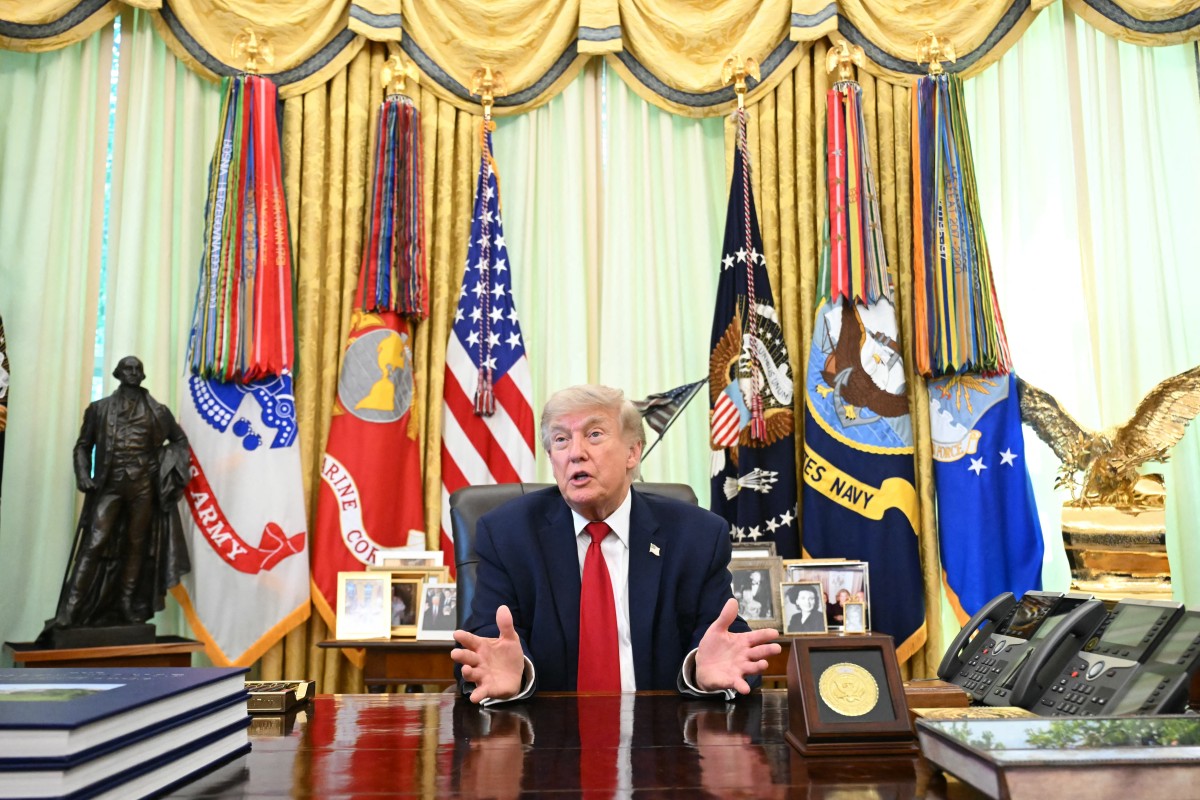
The sources also said Trump told his advisers he would not object to extending negotiations beyond the August 18 deadline for reaching a nuclear agreement, allowing additional time for diplomacy. At the same time, he expressed confidence in ordering targeted strikes against Iran whenever it violates the "memorandum of understanding," which led to weekend military exchanges that weakened the fragile truce reached two weeks earlier.
Pentagon briefings outlining military options for the president in the event of conflict are routine, and Trump regularly holds official meetings on Iran. However, the recent discussions indicate he is seeking ways to break the deadlock with Tehran and has not ruled out a return to military action. Some officials acknowledge that renewed warfare would amount to an implicit admission that the announced agreement with Iran had failed.
Publicly, Trump has maintained that negotiations are progressing successfully while insisting that military options remain on the table if diplomacy collapses. He told reporters last week, "The Iranians agree to everything I want, and they must, or else we will go back and do what we have to do."
U.S. Vice President J.D. Vance told Fox News, "What the president has told us is to work on solving the problem and see where negotiations will lead. If they don't produce a successful diplomatic solution, we still have many options."
Core Disputes Emerge at Doha Negotiations
Trump's envoys to Iran, Steve Witkoff and Jared Kushner, arrived in Doha on Tuesday for a new round of negotiations, communicating with their Iranian counterparts through intermediaries rather than directly, according to Qatari officials. Technical experts from both countries were expected to hold indirect talks this week, but reports on Wednesday said Iran would not meet the U.S. president's envoys in Qatar.
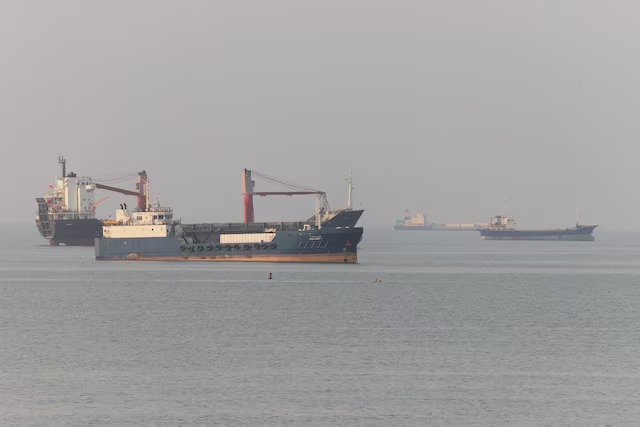
Sources say the United States and Iran have now spent more than a week in negotiations after agreeing to a 60-day dialogue. One of the main sticking points is Iran's insistence on imposing billions of dollars in service fees on ships transiting the Strait of Hormuz, while Washington maintains that the waterway should remain open to free navigation as it was before the war. Tehran also insists it will not accept strict controls on its nuclear activities, despite Trump's repeated claims that Iran has already agreed to such conditions.
U.S. Energy Secretary Chris Wright said Tuesday that "Iran has not cooperated at all so far," arguing that U.S. military efforts to escort commercial vessels are the only reason global oil supplies have recovered. "With or without Iran, we will ensure energy flows through the Strait of Hormuz, but of course it's better with their cooperation, and we want to end their nuclear program," he added.

In an effort to reduce tensions, Washington established a crisis hotline between Iran's Revolutionary Guard and U.S. Central Command (CENTCOM). Some U.S. officials viewed the move as a sign of improving relations, while others cautioned that it remains in its early stages. A White House official confirmed that the de-escalation channel is operational and that both sides are already using it.
Stalemate Exacerbates Trump's Hesitation
The diplomatic deadlock has prompted Trump to explore alternative approaches, seeking fresh ideas from his advisers. Hegseth and Caine presented options for resuming large-scale airstrikes against Iranian military targets.
During Operation "Epic Fury," which began on February 28, U.S. forces struck more than 13,000 targets across Iran, destroying much of Tehran's conventional missile and drone arsenal, as well as its capacity to manufacture new weapons.
By late March, senior military commanders informed the president that they would require several additional weeks to fully eliminate Iran's military threat. Trump subsequently agreed to an initial ceasefire on April 7.

Some officials noted that Trump has repeatedly refused to authorize large-scale operations since then, despite threatening to destroy Iran's entire civilization and seize Kharg Island before later backing away from both threats and returning to diplomacy. He previously told his advisers that he would only reignite the war if Iran killed American soldiers.
Trump Favors Deal Over Strikes
In June, Trump said, "If we go and bomb, which we can easily do if we want, and spend two or three weeks bombing, they would be left with nothing at all, but the strait wouldn't be open for months. And if we bomb, many people will die. Who wants that? I don't want it," adding that a negotiated agreement would be "stronger than bombing."
Experts argue that the president still has other options available, including delaying Iran's access to billions of dollars in frozen assets that Tehran urgently needs, or continuing to raise the costs of Iran's efforts to control the Strait of Hormuz.
Suzanne Maloney, an Iran expert at the Brookings Institution, said that "this middle-ground strategy has real limits," but added that combining anticipated U.S. responses with economic incentives tied to Iranian compliance could discourage Tehran from further escalation.