

Iraq’s anti-corruption drive enters a high-stakes phase ahead of key Washington visit
A sweeping crackdown targets entrenched corruption networks, signaling a potential turning point in governance, accountability, and international trust in Iraq’s reform agenda.



 Messenger
 Whatsapp
 Threads
 Email
Email
 Print
Print
 X
X
 Facebook
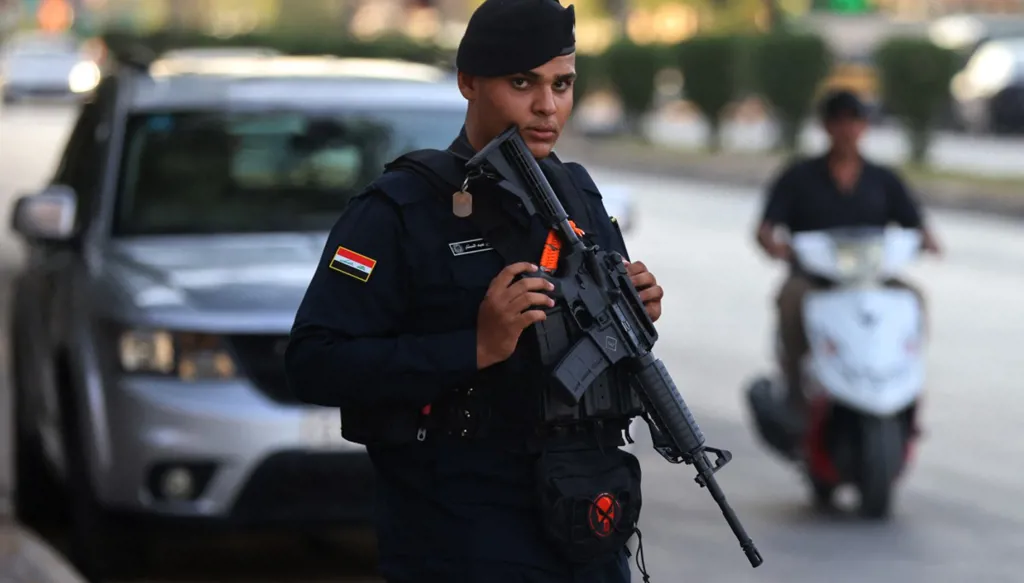


The anti-corruption campaign in Iraq has entered a new phase, marked by expanded investigations and discussions over additional lists that may include political and governmental figures from both the first and second ranks. This development comes ahead of the expected visit of Prime Minister Ali Al-Zaidi to Washington in mid-next month.
Following a broad wave of arrests carried out in Baghdad and several provinces, the government appears committed to shifting the campaign from a limited security and judicial action into a wider effort aimed at confronting entrenched corruption networks within state institutions over recent years.
According to informed Iraqi sources who spoke to “Annahar,” the first hours of the campaign resulted in the arrest of more than 70 suspects, including current and former MPs, former ministers, and government officials. Prominent political figures are also facing accusations related to the embezzlement of public funds, abuse of power, and illicit enrichment.
Beyond the Initial Arrests
Beyond the initial arrests, sources confirm that the campaign is not linked to settling political scores or rivalries between competing forces, but is part of a governmental direction aimed at achieving a real transformation in the anti-corruption file, which for decades has been one of the main obstacles to development, draining public funds and undermining trust in state institutions.
They believe the timing of the campaign is connected to Al-Zaidi’s desire to demonstrate the government’s seriousness ahead of his expected visit to Washington, where he is scheduled to meet US President Donald Trump at the White House, amid international—particularly American—pressure on Baghdad to adopt stricter measures in pursuing corruption, strengthening transparency, and enhancing accountability.
The information indicates that ongoing investigations with detainees may lead to the exposure of interconnected corruption networks involving current and former officials, influential political figures, and businessmen accused of managing questionable deals and contracts in coordination with influential entities and armed groups. Verified confessions and documents by judicial and oversight bodies may also lead to new arrest warrants in the coming days against first- and second-tier figures.
Judiciary and Authority Test
Observers argue that the success of the campaign will not be measured by the number of detainees, but by the state’s ability to complete investigations to their conclusion, recover public funds, and bring perpetrators to justice away from political and partisan pressures. The inclusion of influential figures is also seen as a test of the independence of judicial and security institutions, and of the government’s ability to dismantle one of Iraq’s most complex corruption networks, long associated with large government contracts, stalled projects, and entrenched political and economic influence within state institutions.
In the same context, Iraqi MP Alawi Ni'mah told “Annahar” that these developments mark the beginning of a new phase in pursuing those involved in financial and administrative waste, adding that the current arrests are only the first batch. He explained that the campaign is based on completed investigation files and evidence gathered over months, following the completion of legal and judicial procedures for each case, free from political or electoral disputes.
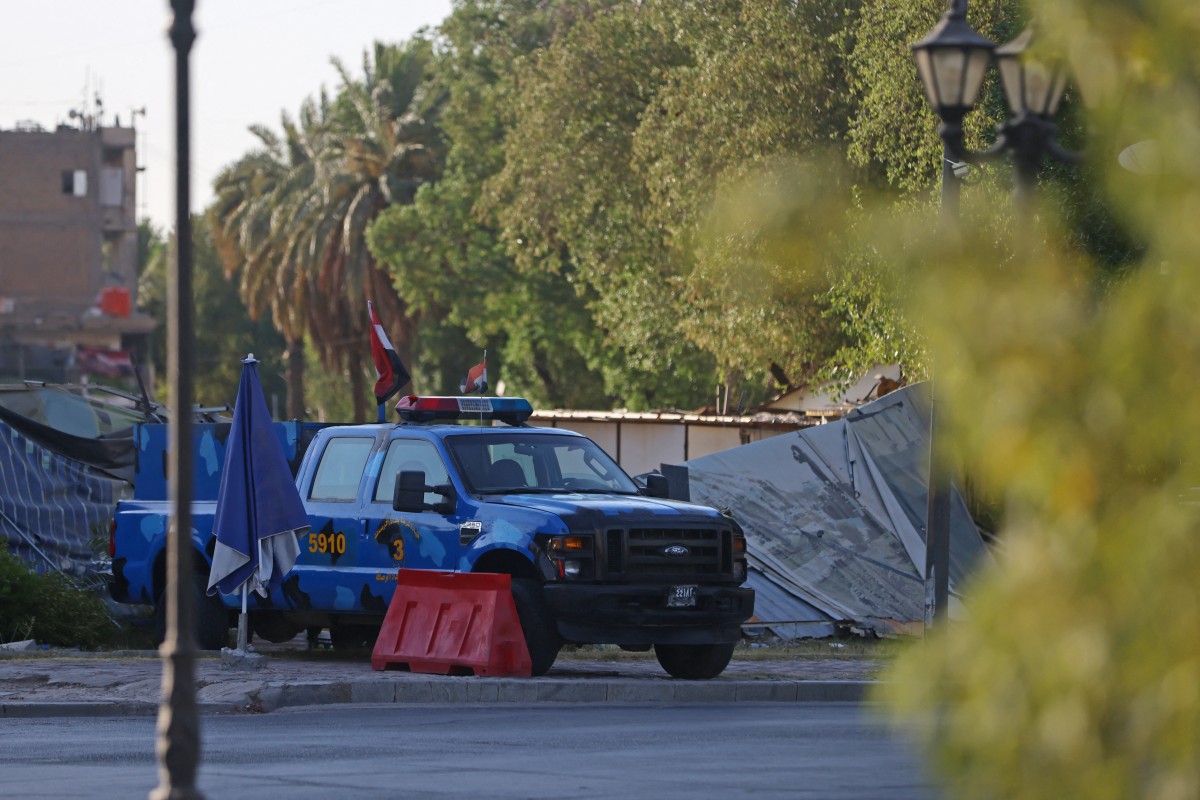
Wider Networks and Larger Files
According to Ni'mah, investigations are beginning to reveal information about interconnected corruption networks involving current and former officials, as well as businessmen and companies contracted with the state. Initial confessions may open more complex files related to contracts and projects worth billions of dinars concluded in recent years.
He noted that the campaign will not stop at those already arrested, as additional lists are being pursued, including first- and second-tier officials and influential political figures suspected of facilitating corruption operations or providing protection to financial and administrative networks within various state institutions. Ni'mah added that the government now has broad political and judicial backing to continue the measures to their conclusion, with the central message being the application of the law to everyone without exception, regardless of political affiliation or position.
He stressed that dismantling corruption networks goes beyond arresting individuals, extending to tracking financial flows, freezing assets, reopening questionable contract and project files, recovering public funds, and holding accountable anyone proven to be involved.
If the campaign continues at the same pace, it could represent a turning point in Iraq’s anti-corruption efforts, particularly given the political support it enjoys domestically, growing popular backing, and international support linking economic reform to improved investment conditions and greater financial stability through the dismantling of corruption networks and accountability for those responsible.