

Israel's new strategy in southern Syria: Beyond border incursions
Military checkpoints, expanding security zones, and competing Turkish, Iranian, and American interests are reshaping the future of southern Syria.



 Messenger
 Whatsapp
 Threads
 Email
Email
 Print
Print
 X
X
 Facebook
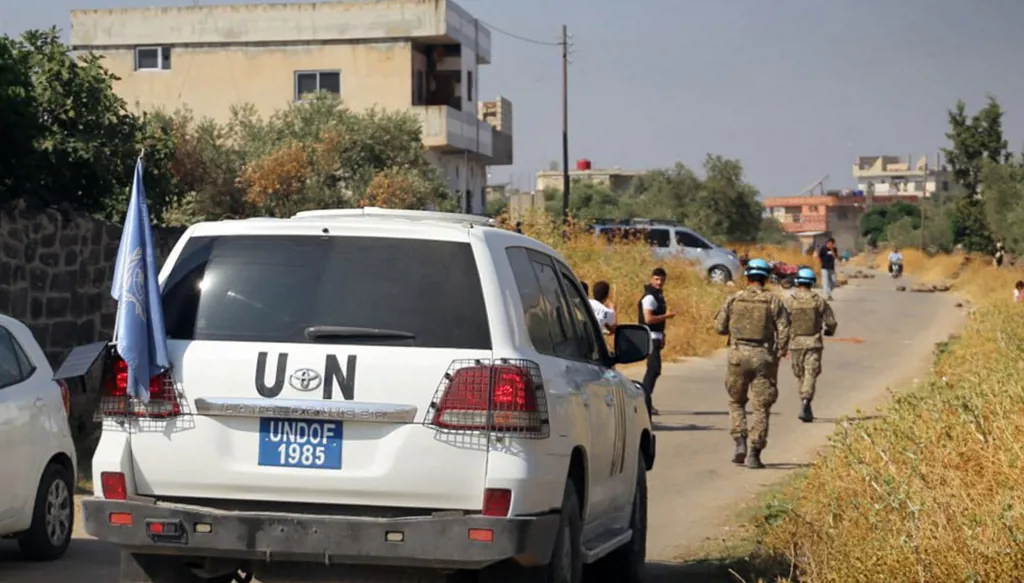
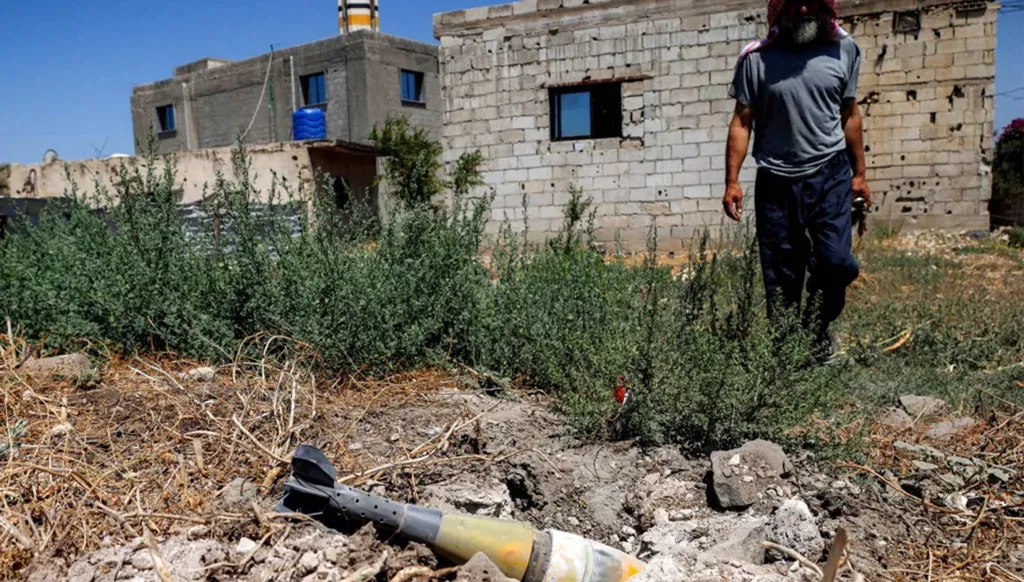
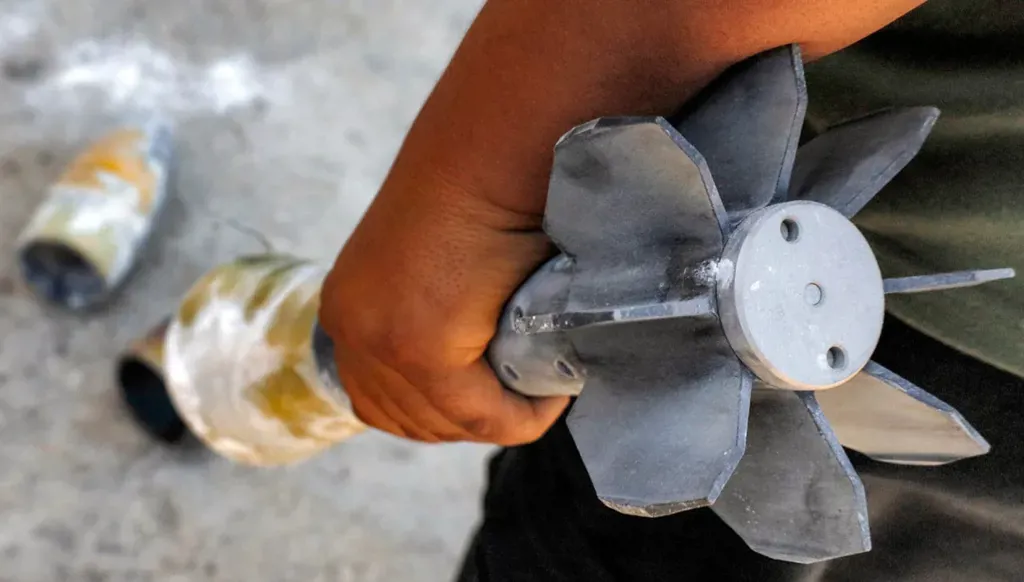


The recent Israeli movements in the village of Abidin and the areas surrounding Jumla, Wadi al-Raqad, and Tel al-Mughar go beyond another incursion into southern Syria. They reflect a clear shift in the nature of Israeli activity along the border strip.
After a week of successive operations across the countryside of Daraa and Quneitra, Israel appears to be moving from limited cross-border incursions toward managing the daily security landscape, testing the ability of residents, UNDOF, the Syrian authorities, and local actors to resist the new rules it seeks to establish before any political settlement takes shape.
The sequence of events reveals a recurring pattern: military vehicles enter villages, temporary checkpoints are established, homes are searched, passersby are interrogated, civilians are detained for hours, and forces position themselves on elevated terrain before either withdrawing or maintaining a limited presence depending on developments on the ground.
New Field Management of the Borders
Along the Abidin-Jumla axis, Israeli forces positioned themselves at Tel al-Mughar, established a checkpoint on the road leading to Jumla, and confronted residents who blocked the road with stones in front of military patrols. The situation quickly escalated into gunfire, artillery shelling, and helicopter strikes, prompting the displacement of several residents to nearby areas.
At the same time, the Israeli army announced that it had killed two militants inside what it refers to as the "security zone" in southern Syria, without disclosing their identities. Hebrew media reported that the operation took place near the town of Khader, around one kilometer from the border, and that the bodies are now in the possession of the Israeli army.
Regardless of the Israeli narrative, southern Syria has increasingly become a theater where multiple regional interests intersect. Israel and Turkey continue to advance their respective agendas, while Iranian influence is gradually re-emerging through its local allies.
In recent weeks, the "Southern Revolutionaries Movement 2011" published reports describing extensive Turkish activity in Daraa, including media and commercial networks, as well as efforts to cultivate local figures. The reports linked Sheikh Mahmoud al-Hasanat's visit to attempts at rapprochement between Hamas and "Uli al-Baas."
A leading source within "Uli al-Baas," however, told Annahar that there have been no efforts "to approach the Muslim Brotherhood," while confirming that the militants killed in the Israeli operation "belong to the group."
"Uli al-Baas" has also undergone a noticeable shift in its rhetoric in recent days. After months of emphasizing its distance from the "Resistance Axis," military spokesperson Captain Miqdad reaffirmed solidarity with Hezbollah.
The same source told Annahar that relations with Iran and Hezbollah constitute a "strategic alliance and partnership, not subordination to anyone." He added that any deployment of "Ahmad al-Sharaa's forces" into Lebanon, under any pretext, would prompt "Uli al-Baas" to "intervene militarily in a direct and wide-ranging manner with all its weight within and beyond the Syrian arena, in support of the Resistance Axis." At the same time, he ruled out any intervention by the Syrian army in Lebanon, arguing that Israel "wants to carry out this mission itself."
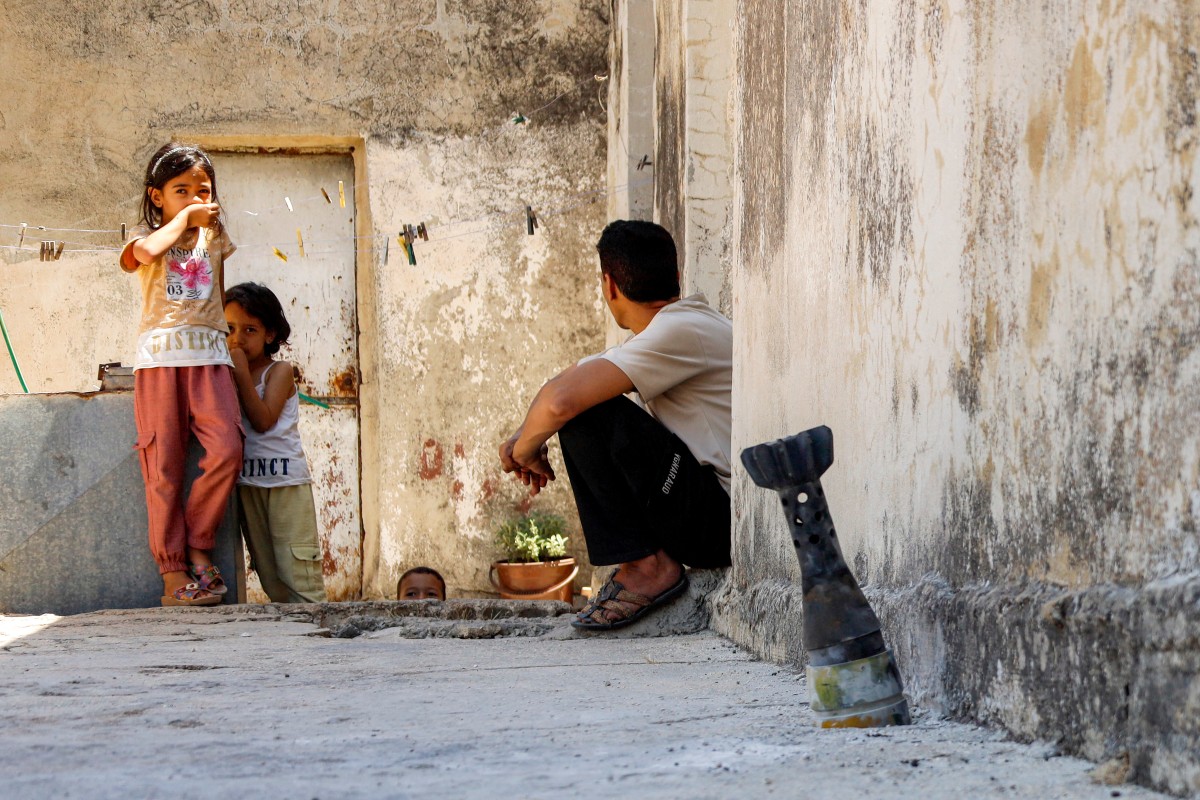
Israel's Strategy Surpasses Incursion
Damascus continues to regard Israeli movements as a violation of the disengagement agreement, while Israel operates on the premise that the agreement lost its validity following the fall of Bashar al-Assad's regime. Between these competing positions, the gap continues to widen as the Israeli army establishes new realities on the ground by constructing military roads, setting up observation posts and infantry positions, deploying snipers, and carrying out inspections inside border villages.
In this context, the commander of the "Ait" battalion, which specializes in intelligence gathering, described the army's daily operations inside Syrian territory as part of a policy of "killing things while they are small," aimed at eliminating any potential threat before it develops into a real danger, according to the Hebrew newspaper Makor Rishon.
The officer also referred to "the establishment of ten Israeli sites since Assad's fall," in addition to near-daily inspections and interrogations, alongside clear restrictions imposed on the movements of Syria's transitional authority forces in areas close to the border.
These developments suggest that Israeli activity has moved beyond reacting to changing conditions on the ground and has become part of a long-term strategy designed to entrench the security zone and gradually establish it as a permanent reality.
Intersecting Regional Interests
Turkey views Israel's actions in southern Syria as an attempt to prevent the emergence of a strong central authority in Syria and to block the presence of any Syrian military structure near the Golan, Galilee, and Mount Hermon.
A report published by the Turkish outlet T24 argued that Israel is redrawing the military landscape in southern Syria as the buffer zone gradually expands, raising questions over whether the South Lebanon model is being replicated in southern Syria.
Earlier, Turkish President Recep Tayyip Erdogan stated that Turkey's security begins with the security of Aleppo, Damascus, and Beirut, underscoring Ankara's strategic interests in these regions and placing them in direct interaction with Israeli security calculations.
Against this backdrop, Israel's recognition of Turkey's genocide against the Armenians has further heightened political tensions between the two countries, alongside the military escalation in southern Syria.
Meanwhile, uncertainty continues to surround the American position, particularly that of President Donald Trump, as regional understandings become increasingly intertwined. After Lebanon became part of the American-Iranian understanding, the framework agreement between Lebanon and Israel effectively linked Israeli withdrawal to the issue of Hezbollah's disarmament.
At the same time, the purpose behind Trump's repeated references to a potential Syrian role in Lebanon remains unclear, despite Syria's declared rejection of such a role, whether in the context of balancing relations between Ankara and Tel Aviv inside Syria or within another framework connected to Israel's evolving strategy.
In light of these developments, Abidin appears to be more than a temporary flashpoint. It has become a strategic crossroads stretching from the Golan, Quneitra, and the Yarmouk Basin to southern Lebanon, intersecting with the broader American negotiating track with Iran.
As Israel continues to establish new rules on the ground, American, Turkish, and Iranian calculations are increasingly converging in shaping the next phase across southern Syria and southern Lebanon.