

Hormuz at a Crossroads as Iran, US Clash Over Shipping Rules
Conflicting positions over maritime management, sanctions relief mechanisms, and the interpretation of the memorandum of understanding continue to deepen uncertainty around one of the world’s most strategic waterways.



 Messenger
 Whatsapp
 Threads
 Email
Email
 Print
Print
 X
X
 Facebook


Amid escalating tensions between Iran and the United States, the Strait of Hormuz is returning to the forefront of the scene as one of the most prominent flashpoints, with a decline in maritime traffic and continued uncertainty over the mechanisms governing its management, alongside stalled technical negotiations between the two sides.
Decline in shipping and security concerns
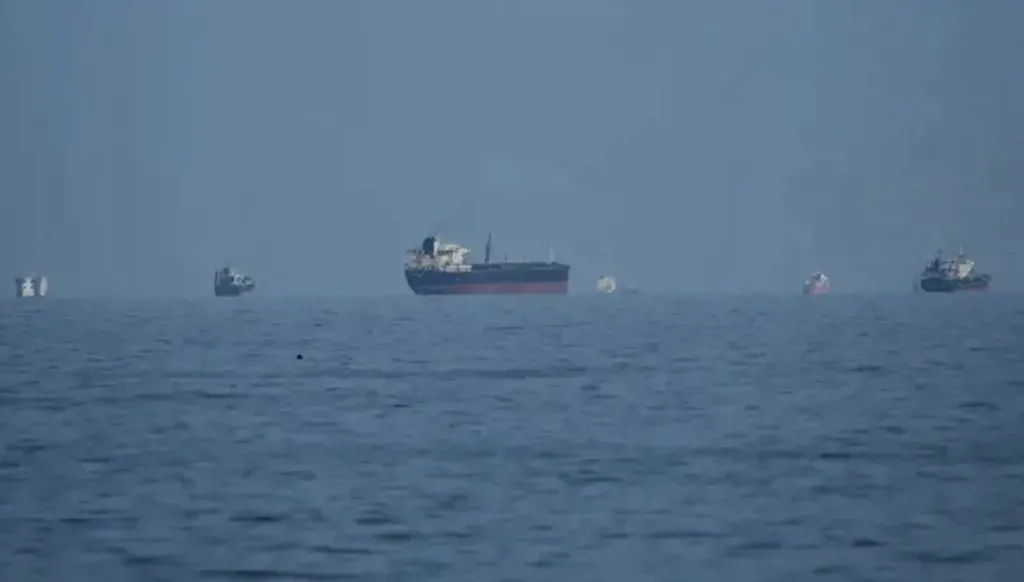
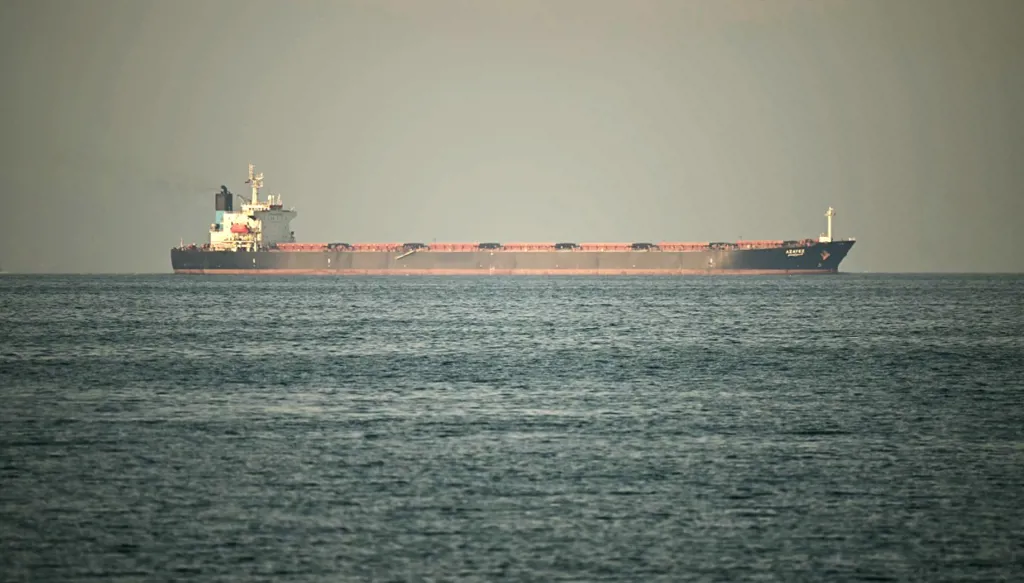
The Fars News Agency reported that shipping traffic in the Strait of Hormuz has witnessed a noticeable decline, amid what it described as “aggressive” US measures, noting that passage is still continuing but at a limited pace.
This decline comes after attacks targeting two tankers near the strait in recent days, which has raised security concerns in one of the world’s most important maritime corridors.
Dispute over the management of the strait and transit fees
In parallel with the field developments, Iran and the Sultanate of Oman held a meeting, the first since the signing of the memorandum of understanding between Tehran and Washington, to discuss the management of the Strait of Hormuz.
The Vice Minister of Foreign Affairs of Iran, Kazem Gharibabadi, confirmed that the two sides exchanged views on the future management of the strait, without setting a clear timeline for an agreement.
The dispute also centers on Iran’s intention to impose “service fees” on ships, a move rejected by the United States on the grounds that the strait is an international waterway, while Tehran insists on its sovereign right to regulate navigation within its territorial waters.

Variation in positions between Iran and Oman regarding arrangements
The Omani position has seen some divergence in recent days, as Muscat spoke about working with Tehran on an agreement to manage navigation, before later confirming its rejection of imposing any transit fees, while announcing a temporary maritime corridor.
In contrast, Iran emphasized that the “only approved route is the corridor adjacent to its coasts,” reflecting the continued disagreement between the two sides over regulatory mechanisms.
Oman: Gulf consensus on de-escalation
The Sultanate of Oman confirmed today that there is a consensus among Gulf Cooperation Council states on prioritizing de-escalation in the region, stressing the importance of halting any targeting by any party in order to enhance regional stability.
Omani Foreign Minister Badr Al Busaidi said that the Sultanate does not support imposing fees on ships passing through the Strait of Hormuz, in line with international law and the United Nations Convention on the Law of the Sea, stressing that any arrangements related to the strait must remain within this framework.
He added that Oman is committed to the Convention on the Law of the Sea, noting that there is an understanding with Iran that any special arrangements regarding the strait should not go beyond international law, while emphasizing the need for navigation to remain safe and free for all.
The minister confirmed that Muscat continues its contacts and efforts to achieve peace, understanding, and harmony, stressing support for implementing the provisions of the memorandum of understanding signed between Iran and the United States.
The Omani Foreign Ministry explained that the joint Omani Iranian committee held its first meeting in Muscat to discuss issues related to the Strait of Hormuz, where ways to enhance coordination and the future management of the strait were discussed and views were exchanged.
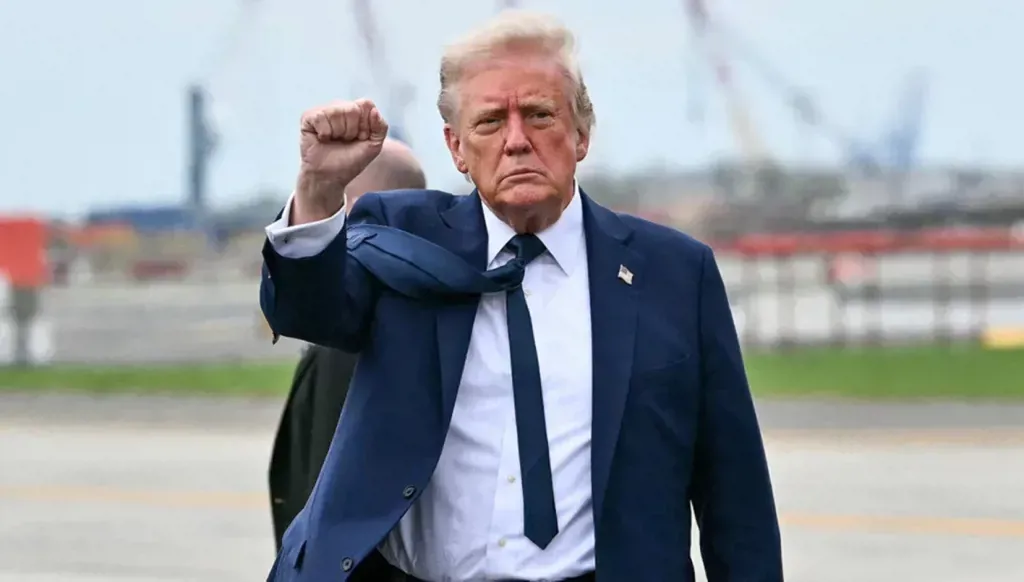
Donald Trump: Iran requested a meeting and it will be held on Tuesday in Doha
For his part, US President Donald Trump announced on Monday that a meeting on Iran will be held on Tuesday in the Qatari capital, Doha, without providing further details.
He wrote on Truth Social: Iran requested a meeting and it will take place tomorrow, Tuesday, in Doha.
In a previous post, the US President reiterated that Iran “will not possess a nuclear weapon.”
Iran denies any upcoming meeting with Washington
The Iranian Ministry of Foreign Affairs denied US media reports that spoke of an upcoming meeting between Iranian and American technical teams in the coming days in Qatar to discuss the implementation of the memorandum of understanding aimed at ending the war.
Deputy Foreign Minister Kazem Gharibabadi said, according to state television, “there are no planned technical meetings of working groups this week,” describing the circulating information as “incorrect.”
Gharibabadi also stated that “no technical working group meetings are scheduled this week,” stressing that “the next round will be held once conditions are prepared and the time and place are determined.”
He added that “consultations will continue with Qatar to follow up on the implementation of the commitments contained in the memorandum of understanding.”
The White House: Trump is continuing on the path of peace with Iran
The White House confirmed today that US President Donald Trump is seeking to bring the peace process with Iran to completion.
The White House spokesperson stressed that Washington is continuing to monitor adherence to the ceasefire agreement with Tehran.
She said that Donald Trump has proven he is not afraid to use military force against Iran if necessary, adding that any Iranian violence will be met with a similar response.
She warned that if Iran chooses a negative role, it will prove that it has become a pariah state in the Middle East, noting that it would be better for Iranians to sign a good agreement with the United States.
She added that the continuation of the peace process with Iran means that the memorandum of understanding remains in effect, while reaffirming commitment to ceasefire obligations.
She also said that Washington will continue to respond to attacks carried out by Iran against commercial vessels, noting that technical talks will be held on the sidelines of upcoming high-level meetings in Doha.
She revealed that US envoys Steve Witkoff and Jared Kushner will travel to Doha this week for high-level meetings as part of ongoing diplomatic efforts.
Dispute over the provisions of the memorandum of understanding
In a related context, an assistant Iranian foreign minister denied the existence of “any clause in the memorandum of understanding stipulating the purchase of US goods,” considering the inclusion of such a condition is fundamentally illogical.
This statement comes in response to US positions suggesting “directing part of the released Iranian assets to the purchase of American products.”
The Strait of Hormuz remains a key point of tension amid the absence of a clear agreement on its management mechanisms after the expiration of the 60-day deadline stipulated in the memorandum of understanding to ensure safe passage without fees. With continued political divergences and field escalation, the strait file appears likely to become even more complex in the coming period.