

Europe’s changing summer: When heat redraws the tourism map
As rising temperatures reshape travel habits, Europe’s tourism industry is no longer defined by peak summer months but by a shifting balance between seasons, destinations, and climate itself.



 Messenger
 Whatsapp
 Threads
 Email
Email
 Print
Print
 X
X
 Facebook
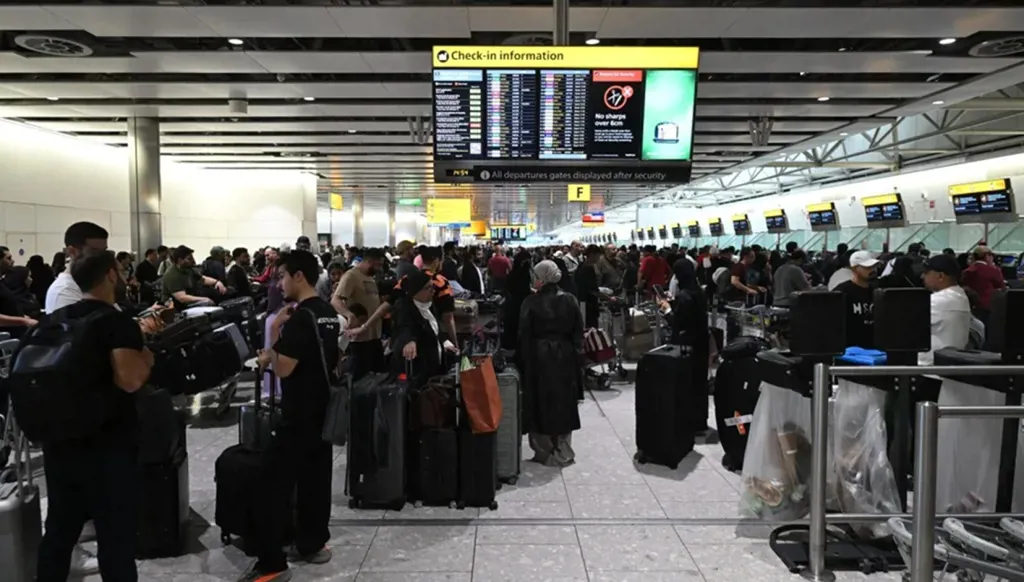


The European scene, until recently, had become so familiar that it felt repetitive. With the beginning of July approaching, the beaches of Spain, Greece, Italy, and southern France fill up, hotel occupancy rates rise to their maximum, and Mediterranean cities turn into a destination for millions of tourists arriving from all over the world. The equation was simple: the hotter it got, the greater the demand for the sea.
Today, that equation no longer works with the same ease. The heat that for decades formed part of the appeal of the European summer has begun, as it has exceeded certain thresholds in recent years, to push many people to reconsider the timing of their holidays and sometimes even their destination. The tourist no longer asks only about the hotel, the beach, or the cost of the trip, but has begun to ask first and foremost: what is the temperature there?
This does not mean that Europe is facing a tourism crisis, nor that millions of visitors have begun to abandon it. On the contrary. Official figures paint a different picture, as the European Union recorded about 3.08 billion overnight stays in tourist accommodation establishments in 2025, an increase of 2 percent compared to 2024, a new record level.
This momentum continued at the beginning of 2026, with overnight stays reaching 471.1 million in the first quarter, an increase of 3.4 percent compared to the same period the previous year. These figures, issued by Eurostat, do not suggest a declining sector, but rather one that continues to grow, even if it is doing so according to different rules than those it was used to.
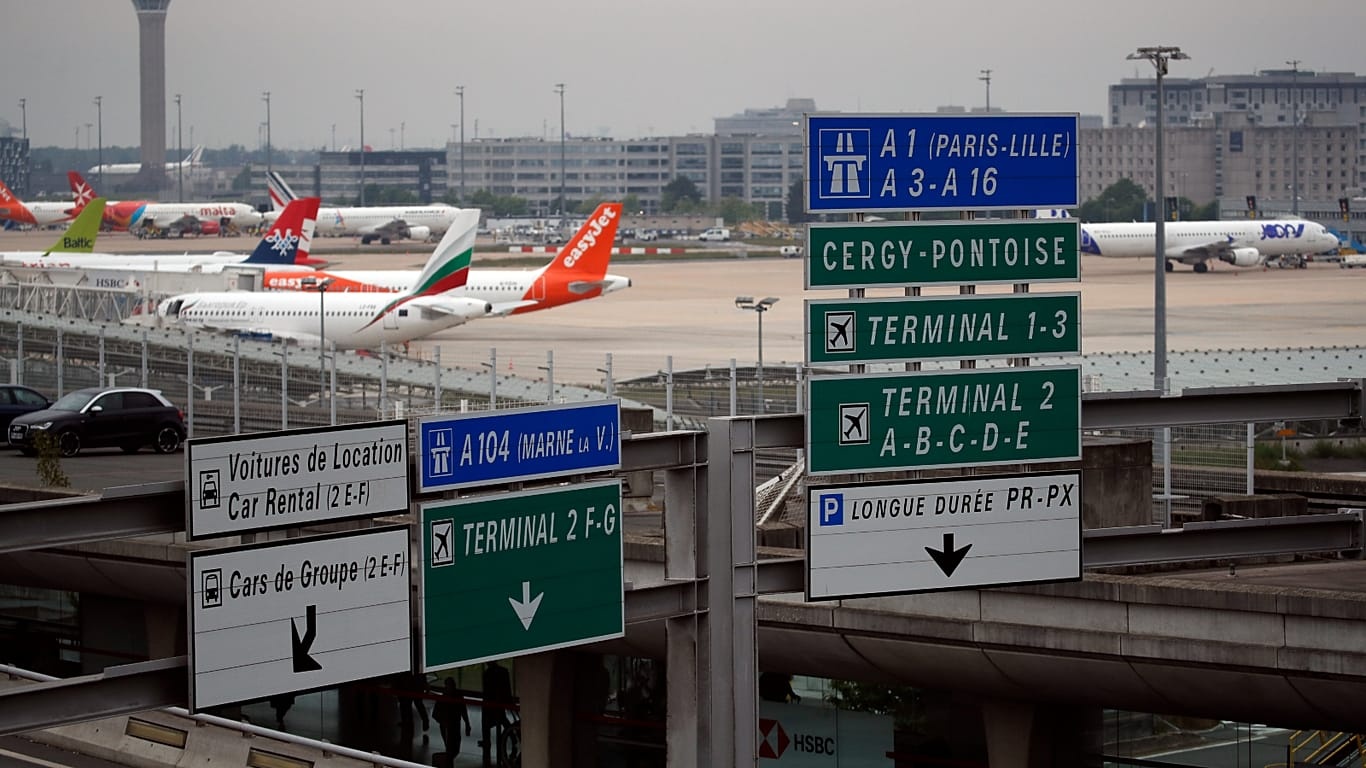
The European Travel Commission reaches a similar conclusion. According to its latest surveys, 82 percent of Europeans plan to travel between April and September 2026, the highest rate recorded since 2020. However, the significance of this figure does not lie in its size alone, but in what it reveals about changing traveler behavior. The desire to travel remains strong, but the choice of timing and destination has become more flexible than ever before. In other words, the question is no longer whether Europeans will travel, but when and where.
For many years, the European tourism sector based its planning on an almost self-evident assumption: July and August are peak season, and everything else comes second. However, repeated heatwaves have begun to disrupt this rule. Holidays that were once automatically booked at the height of summer are increasingly being shifted to May or June, or postponed to September and October, when temperatures are milder, crowds are smaller, and prices are often more appealing.
This is not about individual impressions, but about a trend observed by European institutions themselves. A study conducted by the European Commission’s Joint Research Centre indicates that a rise in global average temperatures of three to four degrees Celsius could lead to a decline of around 10 percent in summer tourism demand in southern coastal regions, compared with an increase of nearly five percent in the northern coasts of the continent.
The study also predicts that April will see the strongest growth in tourism activity, while July will become one of the months most vulnerable to declining demand. These figures do not mean that the European summer is coming to an end, but they do indicate that the concept of a “peak season” is no longer as fixed as it once was.
Despite all that is said about tourists shifting northward, talk of the Mediterranean’s decline still appears premature. Spain, Italy, Greece, France, and Portugal continue to hold leading positions among Europe’s most visited destinations, while the Mediterranean remains the primary destination for millions of travelers arriving in the region each year.
What is changing, however, is not the popularity of these countries, but the way demand is distributed throughout the year. Hotels that once relied on a few weeks to generate most of their annual revenue are now more focused on attracting visitors in spring and autumn, and on extending the tourism season rather than concentrating it into a short period. This is no minor shift.
Success is no longer measured only by the number of visitors, but by a destination’s ability to receive them over a longer period, and with more stable occupancy rates, away from the extreme congestion that once characterized the summer months.

In contrast, many regions in Northern and Central Europe have begun to benefit from a reality that would have been unthinkable just a few years ago. Sweden, Norway, Finland, the Baltic states, and parts of Ireland and Scotland are no longer marketing themselves solely as nature destinations, but also as a more temperate option during periods of extreme heat. In recent years, the term “coolcation” has spread within the travel industry, combining “cool” and “vacation” and referring to choosing cooler destinations to escape heatwaves.
However, the data does not indicate a mass shift of tourists from Southern Europe to the north, but rather a gradual change in traveler preferences and travel timing. Northern destinations are gaining increasing attention, but they are not replacing Mediterranean ones; instead, they complement them within a more diverse tourism map.
The change is not limited to travelers alone. The tourism sector itself has begun to rethink many of the assumptions that have guided it for decades. Hotels are investing more in cooling and thermal insulation systems, expanding shaded areas, and redesigning outdoor facilities to better accommodate prolonged periods of heat.
At the same time, tourist cities are increasing green spaces, improving public areas, and placing greater emphasis on evening activities, after midday hours have in some cities become less attractive for walking and visiting historical sites. In recent years, cities such as Barcelona, Athens, and Venice have intensified their promotion of spring and autumn, in an effort to spread tourist flows over a longer period and reduce pressure during the summer peak.
Meanwhile, tour operators and airlines are closely monitoring these shifts. As demand for travel outside peak summer grows, so does the need to redistribute flights, prices, and offers across different months of the year, rather than concentrating them within a short window.
As a result, the real challenge is no longer attracting tourists, but understanding when they will come, how long they will stay, and in which season they will choose to travel.
It is easy to reduce the situation to the idea that heatwaves threaten European tourism, but this does not reflect the full picture. Current indicators do not point to a contraction of the sector, but rather to its transformation.
People are still traveling, perhaps more than ever, but they are rethinking the timing of their trips and the nature of the destinations they seek. What was once considered an ideal season may, for many, become a season they prefer to avoid.
Thus, the real bet in the coming years will not be on having the most beautiful beaches or the largest number of hotels, but on the ability to adapt to a rapidly changing climate and to deliver a travel experience that remains comfortable even as temperatures rise. This may be the most significant shift European tourism is witnessing today.
The continent is not losing visitors; rather, it is undergoing a gradual transformation in the concept of the summer holiday that has defined it for decades. What is emerging is not just a new season, but a new vision of travel, in which climate becomes a central factor in destination choice, rather than merely a backdrop to the tourist experience.
Find out more about Europe’s heatwaves below: