

Israeli army has not received withdrawal orders from Lebanon, Haaretz reports
Israeli military sources say no withdrawal orders have been issued from Lebanon, while three southern villages have been identified for potential pullouts. Meanwhile, the US is reportedly considering a Gaza-style mechanism to monitor the ceasefire as Israeli officials signal continued readiness for operations.



 Messenger
 Whatsapp
 Threads
 Email
Email
 Print
Print
 X
X
 Facebook
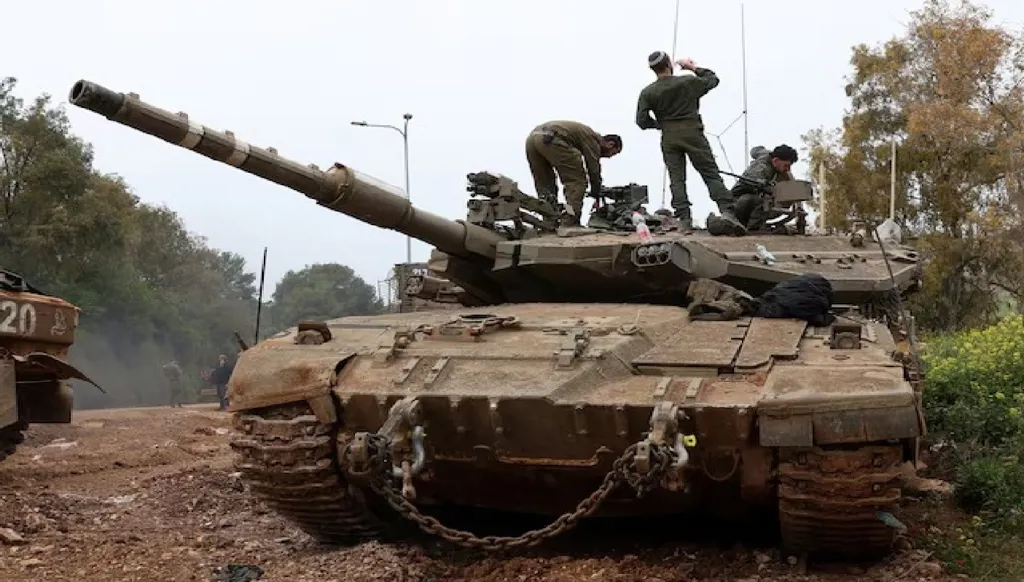


The Hebrew newspaper Haaretz reported on Monday, citing Israeli military sources, that the Israeli army has not yet received any orders to withdraw from any area in Lebanon.
According to the newspaper, the same sources said that the Israeli army had identified three villages in southern Lebanon from which it would withdraw: Froun, Al-Ghandouriyah, and Zawtar al-Gharbiyah.
The sources added that the Israeli army does not maintain a permanent presence in Zawtar al-Charqiyeh and Zawtar al-Gharbiyah, but remains stationed in Froun and Al-Ghandouriyah.
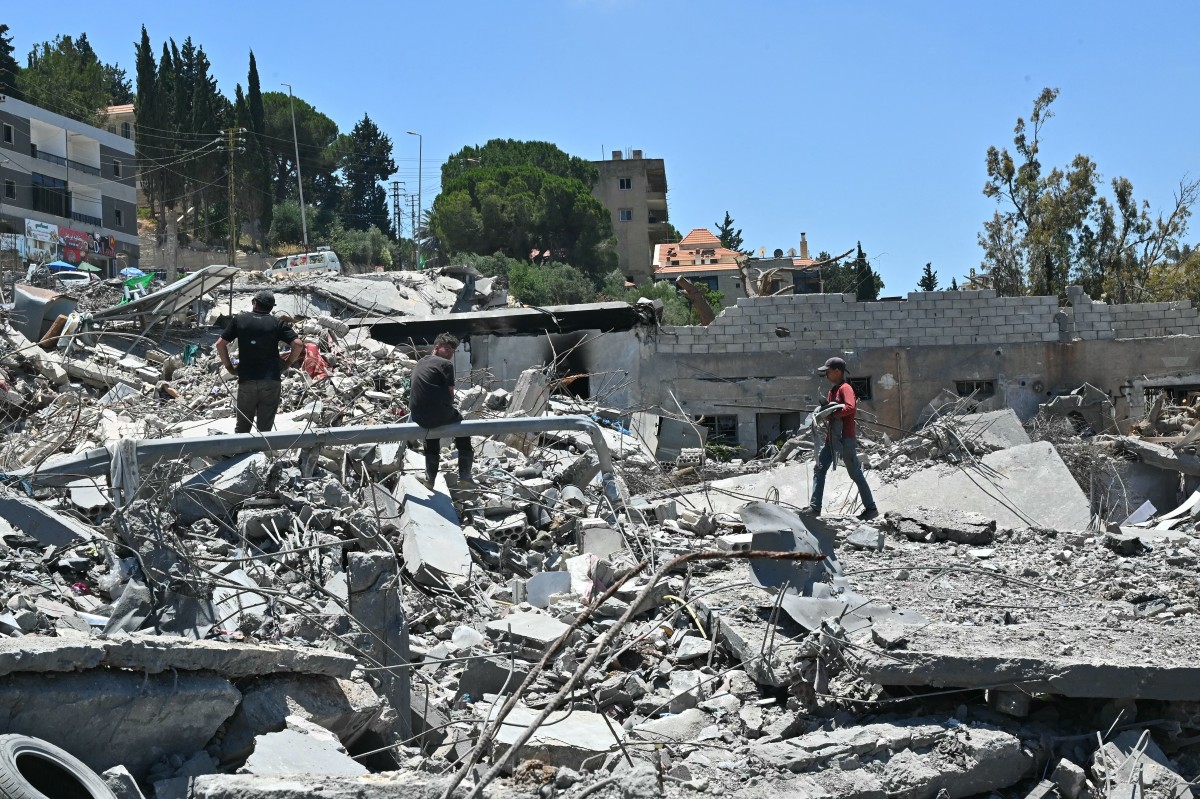
In a separate development, Haaretz cited sources as saying that the US administration is considering establishing a mechanism to monitor the ceasefire in Lebanon, similar to the one implemented in Gaza.
Strikes on Majdal Zoun
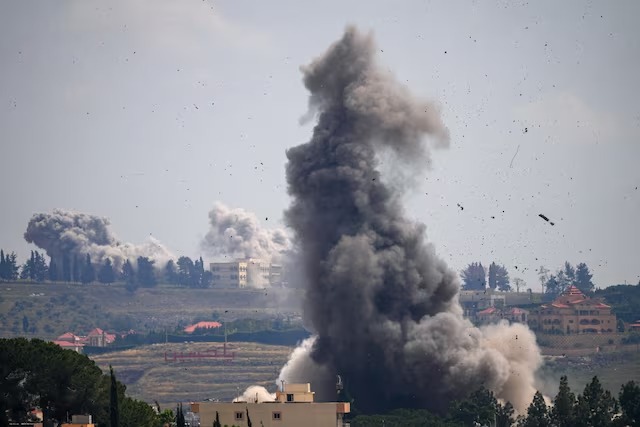
Last night, Sunday, the Israeli army carried out a large-scale explosion in the town of Majdal Zoun, in the Tyre district of southern Lebanon. Israeli Prime Minister Benjamin Netanyahu and Defense Minister Israel Katz said the operation destroyed a tunnel and an underground infrastructure network, which they claimed belonged to Hezbollah, extending approximately 200 meters in length and 25 meters underground.
Israeli army spokesperson Ella Waweya posted a video on her account on the X platform showing the detonation in Majdal Zoun, claiming: "Hundreds of weapons and four tunnel shafts directed toward the State of Israel: A destroyed underground route was uncovered in the town of Majdal Zoun.
Framework Agreement and Security Annex
For his part, Israeli Chief of Staff Eyal Zamir said on Sunday that "the agreement signed with the Lebanese government is historic and important," adding that "we will adhere to it and work to ensure its success."
Zamir added that "the real test now lies in the actions taken by both sides, and the coming period will determine the future course of relations with Lebanon."
He added: "We are prepared to swiftly resume offensive operations in both Lebanon and Iran if necessary," adding that "Hezbollah has been severely weakened, burdened by heavy casualties, and its fighters are confined underground."
Meanwhile, Israeli Defense Minister Israel Katz said that "the commanders and soldiers of the Israeli army will continue to operate decisively in Lebanon to eliminate threats and ensure the security of residents in the north."
Israeli channel i24 News reported that the security annex of the framework agreement permits the Israeli army to re-enter designated areas in southern Lebanon.