

Lebanon faces crucial test as Israel Framework Agreement sparks deep political divide
Implementation of the U.S.-backed deal ignites fierce opposition from Hezbollah and Iran's allies while Beirut races to secure peace.



 Messenger
 Whatsapp
 Threads
 Email
Email
 Print
Print
 X
X
 Facebook
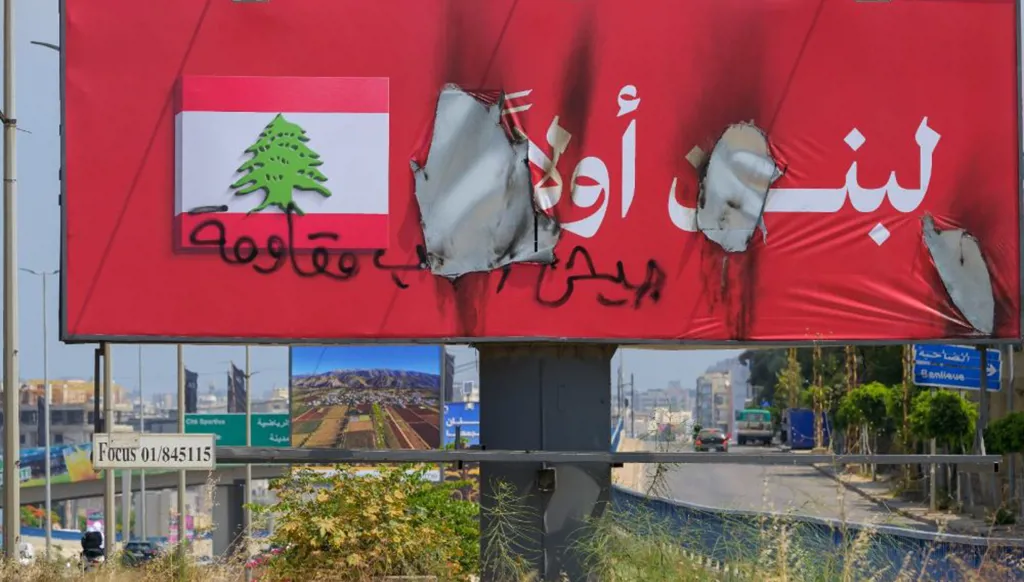


The Lebanese state has reached a critical juncture in implementing its strategic choice that culminated in the signing of the framework agreement between Lebanon and Israel in Washington last Friday night. J
ust three days after the agreement was signed and announced, a series of challenges emerged that now confront its implementation. These challenges can be summarized as follows:
First: The state must commit to the most difficult and sensitive phase by translating the essence of the "experimental zones" formula into reality. This involves verifying the disarmament of illegal weapons, particularly those of Hezbollah, in exchange for the Israeli army's withdrawal and the gradual deployment of the Lebanese army until Israel completes its withdrawal. This process would ultimately lead to the comprehensive disarmament of Hezbollah.
Second: The state must secure sufficient international and domestic support to advance this path, safeguard the purely Lebanese objectives of the framework agreement, prevent Israeli exploitation of the process for electoral purposes, and counter what it describes as renewed Iranian efforts to disrupt and undermine the agreement from the outset.
Third: The government must confront the internal "Iranian camp," represented by the Shiite duo, particularly Hezbollah, which has launched a campaign accusing the Lebanese authorities and the political forces supporting the negotiations.
According to critics, this campaign seeks to create an atmosphere similar to that surrounding the May 17, 1983 agreement, despite the vastly different political circumstances. They also argue that Hezbollah has labeled the framework agreement a "surrender agreement" while simultaneously supporting Iran's memorandum of understanding with the United States.
Furthermore, critics say the party has not matched its opposition with the resignation of its ministers, raising questions about whether its position primarily serves Iranian interests rather than Lebanese ones.
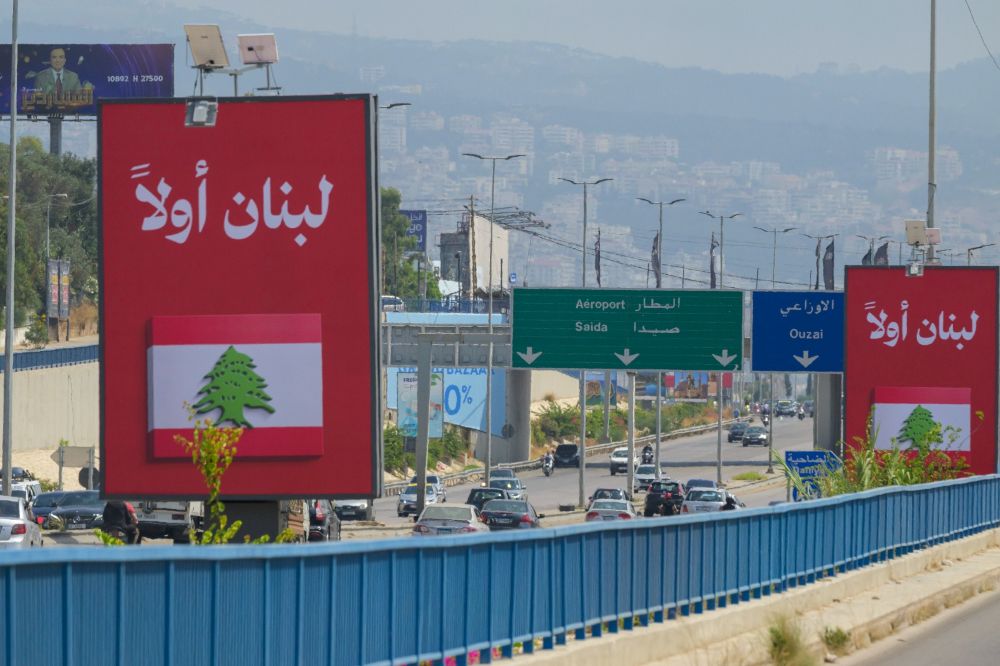
Although the agreement remains in its early stages and faces a rigorous test of implementation, the strong reactions from Iran's allies in Lebanon have been presented as evidence of their alignment with Tehran's position. Their rhetoric of intimidation, threats, and accusations intensified as Iran was accused of undermining its own understanding with the U.S. administration in several arenas, particularly in the Strait of Hormuz, while its Lebanese ally escalated its political and media campaign.
As discussions continue over the implementation of the first phase concerning the experimental areas, Israel's Broadcasting Authority reported that the Israeli army will withdraw from the villages of Western Zawtar and Froun in southern Lebanon as part of the initial trial phase. Reports also indicated that the agreement includes a secret security annex whose details have not been disclosed.
The agreement received broad support from Lebanon's sovereign and independent political forces, as well as from major international capitals. This was reflected in a phone call between U.S. President Donald Trump and Lebanese President Joseph Aoun.
Among the strongest domestic endorsements came from Lebanese Forces leader Samir Geagea, who described the framework agreement between Lebanon and Israel, overseen by President Joseph Aoun in coordination with Prime Minister Nawaf Salam, as "the most important political step taken by the Lebanese state in half a century to rescue Lebanon and its people from the tragic consequences of successive 'resistance' movements in the south."
Geagea added: "Those who today cry that this is 'fitna' should remember that the real fitna occurred when the Taif Agreement was applied selectively in the security and military sectors under flimsy pretexts that deceived no one. The clearest evidence is the situation Lebanon faces today. Those who are suddenly defending the armistice agreement should have objected when it was repeatedly violated since 1964, instead of lamenting it now."
Maronite Patriarch Cardinal Beshara Boutros Al-Rai also welcomed the agreement during remarks from Rome, saying: "We thank the Lord in a special way for the agreement approved by Lebanon, the United States, and Israel. We place it in the heart of our Lord, the lover of peace, who carries the peace for which Lebanon has long prayed. Since 1975, we have lived through one war after another. This does not mean that everyone accepts the agreement or will agree with it, but the path to peace is difficult."
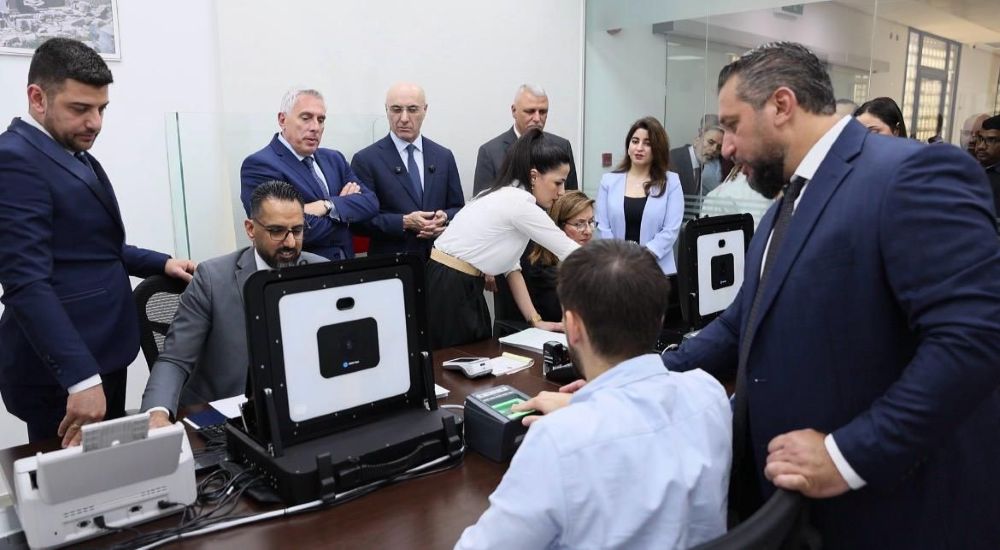
On the opposing side, signs of escalating rhetoric emerged between Hezbollah and Parliament Speaker Nabih Berri, both of whom denounced the agreement. Following a statement expressing his opposition, Berri warned "my people across Lebanon against 'fitna' (strife)"
Speaker Berri held call with Iran chief negotiator Ghalibaf
Iran's Tasnim News Agency later reported that Iranian Parliament Speaker and chief negotiator Mohammad Bagher Ghalibaf held a phone call with Berri, during which Berri described the Washington understanding between Lebanon and Israel as "a conspiracy and fitna." He reportedly said that while the outcomes of the Switzerland talks could benefit the Lebanese people, Israel was attempting to undermine Lebanon's restoration of sovereignty.
According to the report, Ghalibaf and Berri agreed on the need to convene the conflict control unit established under the Swiss outcomes as soon as possible to help contain and end the war in Lebanon.