

Iran insider proposes U.S.-brokered deal to end Israel threats and unlock historic nuclear breakthrough
Former nuclear negotiator Hossein Mousavian argues that lasting U.S.-Iran peace depends on ending mutual threats between Tehran and Israel.



 Messenger
 Whatsapp
 Threads
 Email
Email
 Print
Print
 X
X
 Facebook
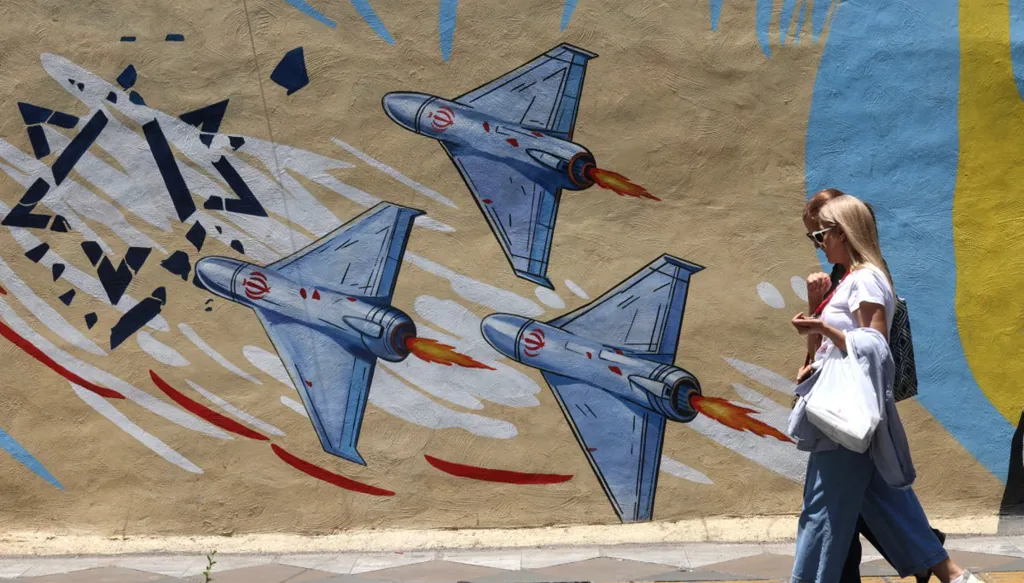


While negotiations between Iran and the United States continue amid growing domestic criticism of President Masoud Pezeshkian and Parliament Speaker Mohammad Bagher Ghalibaf, former Iranian diplomat Hossein Mousavian has put forward one of the most sensitive proposals in Iran's political landscape. He called for U.S. mediation to end the mutual threats between Iran and Israel as a gateway to a comprehensive and sustainable agreement between Tehran and Washington.
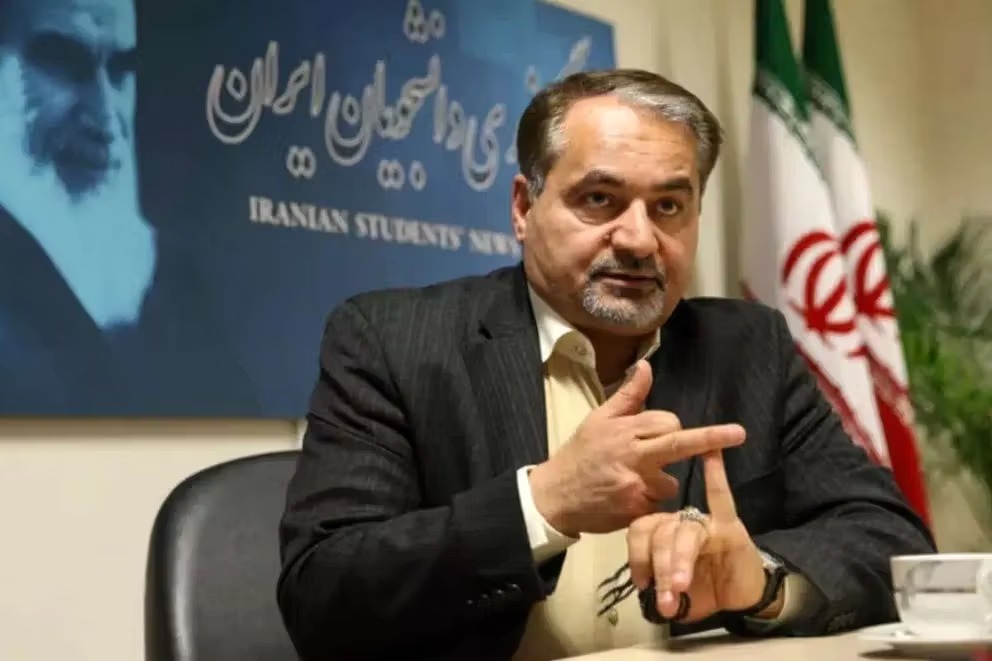
Mousavian, who resides in the United States and is a researcher at Princeton University, holds a prominent place in Iranian politics. He previously served as Deputy Secretary of the Supreme National Security Council and was a member of Iran's nuclear negotiating team.
During President Mahmoud Ahmadinejad's tenure, he was arrested on espionage charges, a case that sparked widespread controversy before he left Iran and settled in the United States.
In an interview with Euronews, Mousavian said that any long-term understanding between Iran and the United States "will not be feasible unless it is accompanied by ending the mutual security, military, and existential threats between Iran and Israel."
A Proposal Exceeding Red Lines
So far, Mousavian's proposal has not generated widespread debate inside Iran, perhaps because of the extreme sensitivity surrounding any discussion related to Israel in the Islamic Republic. Such proposals are widely regarded as political taboos. In official discourse, Israel is portrayed as the embodiment of hostility, assassinations, and evil. Any normalization, communication, or support involving Israel can lead to severe legal consequences, including the death penalty, making even public discussion of such proposals highly risky.
However, the conversation differs within academic and non-official circles, including some advisory institutions close to decision-making bodies. Some argue that the Islamic Republic's longstanding slogan calling for "the destruction of Israel," which has been part of its political rhetoric since the 1979 revolution, makes it difficult for Israel to reduce its hostility toward Iran. At the same time, Tel Aviv views the Islamic Republic as its greatest existential threat and has succeeded in building broad international consensus against Tehran through extensive political and media campaigns.
From this perspective, some experts believe that improving relations between Tehran and Washington will remain incomplete unless the Israeli issue is also addressed. Otherwise, Israel is likely to continue trying to obstruct any U.S.-Iran understanding that does not adequately address its security concerns.
The issue resurfaced in recent weeks amid differing U.S. and Israeli positions on southern Lebanon, making the ceasefire between Iran and the United States increasingly fragile as Israel feels it is not fully bound by Washington's policies toward Lebanon.
Precedents for De-escalation Attempts
Mousavian's proposal raises two central questions: Can reducing tensions between Iran and Israel contribute to greater stability in the Middle East? And have recent wars created conditions for reconsidering such a possibility?
To answer these questions, it is necessary to examine the history of relations between Iran and Israel over the past decades. Since the 1979 Iranian Revolution, relations shifted from diplomatic ties to open hostility, eventually evolving into direct military confrontation after the October 7 attack, with Israel accusing Iran of prior knowledge of and support for the operation.
Yet this hostility has not remained constant. Over the years, there have been several unannounced attempts at de-escalation, often conducted through intermediaries such as Switzerland, Oman, Qatar, and European countries. These efforts were linked to Iran's nuclear program and the role of Tehran's allied groups in regional security. However, due to the issue's sensitivity within Iran, they remained largely out of public view and ultimately failed because of deep ideological differences between the two sides.
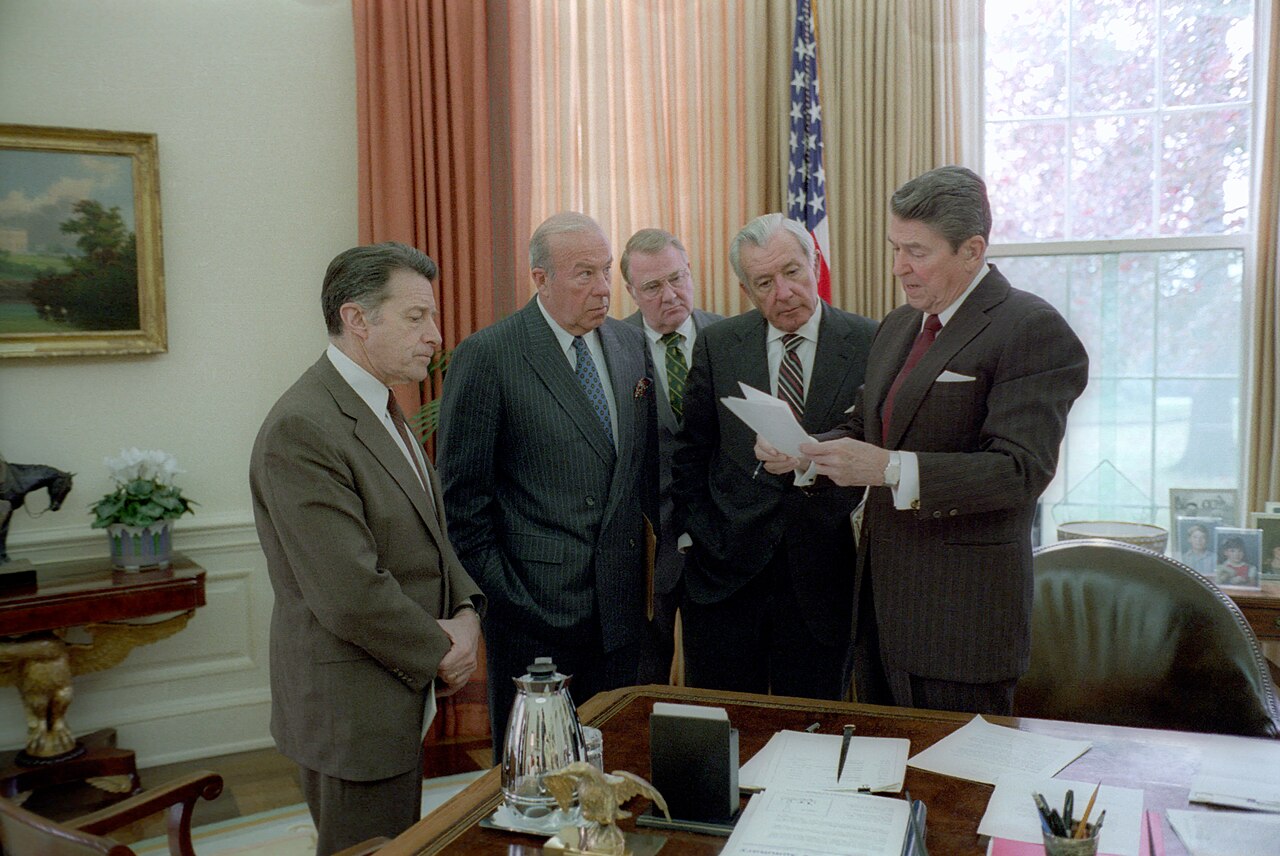
The relationship between Iran and Israel also includes historical episodes of covert cooperation, most notably the McFarlane affair, also known as the Iran-Contra scandal, during the 1980s. The scandal revealed secret tactical cooperation between Iran, Israel, and the United States.
Despite the complete breakdown of official relations—and while Supreme Leader Ruhollah Khomeini described Israel as a "cancerous gland" that should be eradicated, a position later modified under Ali Khamenei into the proposal of holding a referendum in the occupied Palestinian territories—a secret arrangement saw the United States and Israel supply weapons to Iran during its war with Iraq in exchange for Tehran's assistance in securing the release of American hostages in Lebanon held by Hezbollah.
The Reagan administration also sought to use proceeds from the arms sales to fund the Contra forces fighting Nicaragua's communist government, in violation of U.S. law. The operation became one of the largest political scandals in U.S. history after it was exposed by the Lebanese magazine Al-Shiraa in November 1986.
The affair demonstrated that shared interests could produce limited cooperation despite publicly declared hostility. At the time, Israel viewed Iran as a counterbalance to Arab states, while Iran urgently needed weapons to continue its war with Iraq.
Missed Opportunities to Change Course
Another significant example emerged in 2003 following the U.S. invasion of Iraq under President George W. Bush, when concerns grew in Tehran that Iran could become Washington's next military target. Rapid U.S. victories in Afghanistan and Iraq after the September 11 attacks, combined with Iran's inclusion in the "Axis of Evil" in 2002, heightened those fears.
During that period, Iran submitted an initiative to the United States through the Swiss Embassy, expressing its willingness to reduce tensions with Israel, halt financial support for Palestinian armed groups, cooperate with Washington on counterterrorism—particularly against Al-Qaeda—and contribute to stabilizing Iraq after the invasion.
In return, Tehran sought security guarantees, sanctions relief, access to peaceful nuclear technology, and a U.S. commitment not to pursue regime change.
The Bush administration rejected the initiative, later known as the "Great Bargain," due to ideological considerations and its commitment to a policy of regime change in Iran. Today, it is widely viewed as one of the most significant missed opportunities to rebuild U.S.-Iran relations and reduce regional tensions.
The presidency of Mohammad Khatami between 1997 and 2005 is also considered the most open period in Iran's relations with the West, marked by a relative decline in tensions, including mutual threats involving Israel.
During President Hassan Rouhani's administration and the signing of the 2015 nuclear agreement, although Israel was not part of the P5+1 negotiations, limiting Iran's nuclear program in exchange for sanctions relief was widely seen as a way to ease Israeli security concerns and reduce regional tensions.
Israel, however, did not view the agreement as sufficient to address what it considered the Iranian threat. Prime Minister Benjamin Netanyahu described it as a "historic mistake," and his government lobbied Washington, contributing to President Donald Trump's withdrawal from the agreement in 2018.
In the recent memorandum between Iran and the United States, issues involving Israel resurfaced, particularly regarding efforts to halt Israeli attacks on Lebanon, which have continued frequently and pushed the ceasefire close to collapse.
Why Does Mediation Fail?
These historical episodes raise a recurring question with every new diplomatic initiative: Why have repeated efforts to reduce tensions between Iran and Israel failed to produce a major breakthrough?
The answer lies largely in the nature of the conflict itself. Iran considers Israel an "illegitimate" entity, while Israel views the Islamic Republic as an existential threat. Their disputes center on Iran's nuclear program, Tehran's support for Hezbollah, Hamas, Ansar Allah in Yemen, and the Popular Mobilization Forces in Iraq, as well as the broader struggle for regional influence.
Within this framework, any mediation effort faces profound political and ideological obstacles, even when there is international willingness to sponsor it.
Nevertheless, Mousavian argues that abandoning the objective of destroying or overthrowing the other side's political and military system, and instead placing their differences on the negotiating table with American mediation, could open the door to broader understandings that reshape the balance of power in the Middle East and pave the way for agreements that remain difficult to imagine under the current logic of confrontation.