

Iran reaffirms ceasefire commitment as Iraq offers to mediate US talks
During a visit to Baghdad, Iran's foreign minister vowed to uphold the ceasefire framework, while Iraq offered to mediate between Tehran and Washington amid renewed Gulf tensions and the Strait of Hormuz crisis.



 Messenger
 Whatsapp
 Threads
 Email
Email
 Print
Print
 X
X
 Facebook
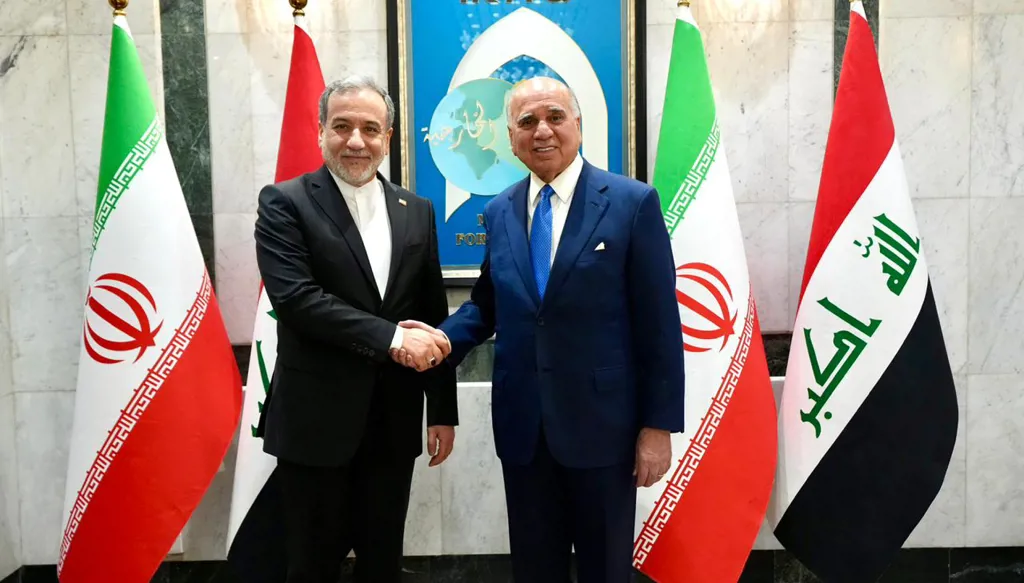


The Iranian Foreign Minister, Abbas Araghchi, confirmed on Sunday that Tehran remains committed to the memorandum of understanding, stating that he discussed its provisions with his Iraqi counterpart, Fouad Hussein, along with the situation in the Strait of Hormuz and southern Lebanon.
During a joint press conference with Hussein, Araghchi stressed that "the memorandum must not deviate from its path," adding that "the first clause is the cessation of war on all fronts, including Lebanon."
The Iranian minister said he briefed the Iraqi side on the latest developments, describing the talks as "very good," and reaffirmed "Tehran's determination to enhance cooperation with the new Iraqi government in various fields."
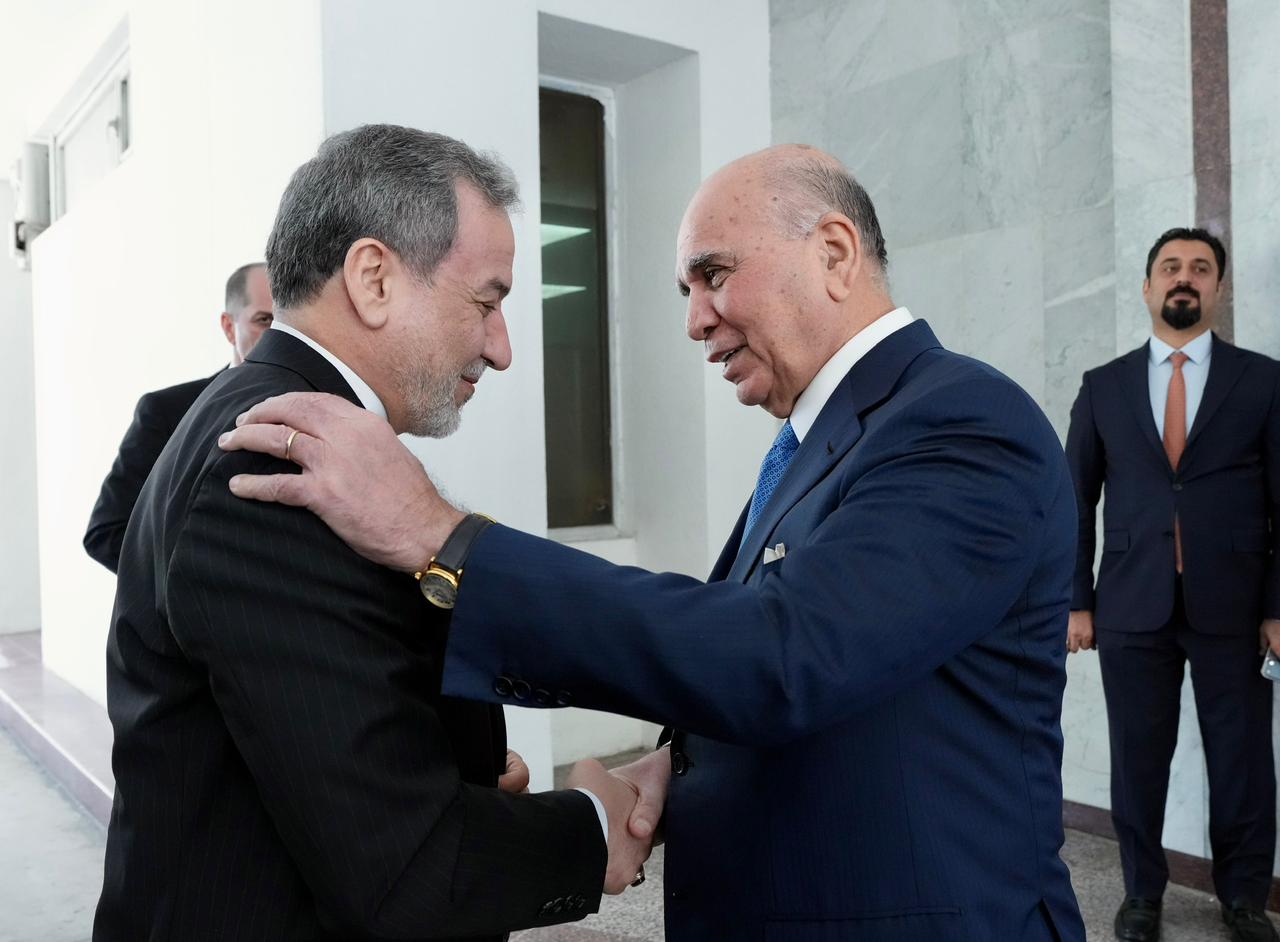
Araghchi noted that his visit comes under "very special" circumstances and also aims to congratulate the new Iraqi government and express gratitude to Baghdad.
Regarding the Strait of Hormuz, he said that "Iran is the party responsible for restoring maritime traffic to pre-war levels," while emphasizing that "the countries of the region are responsible for securing their security by themselves."
Iraq
For his part, Iraqi Foreign Minister Fouad Hussein announced that Iraq intends to visit Tehran to continue discussions, stressing the need to implement agreements to ensure the stability of navigation in the Strait of Hormuz. He said Iraq is ready to play the role of mediator between Iran and the United States to help end the state of war, highlighting Baghdad's "excellent" relations with Washington.
Hussein warned that the continuation of the war would lead to the destruction of the region, reaffirming Iraq's rejection of any expansion of the conflict or attacks on Iran.
He also revealed the negative impact of the military operations and the closure of the Strait of Hormuz on Iraq's economy, announcing Baghdad's readiness to host a meeting between Gulf countries and Iran to revive regional dialogue.
The press conference concluded with both sides emphasizing Iraq's important role in bringing positions closer together and the need to pursue diplomatic solutions to preserve regional security and stability.
Araghchi arrived in the Iraqi capital, Baghdad, on Sunday for an official visit during which he is expected to hold talks with several Iraqi officials on bilateral relations, regional developments, and issues of mutual interest, according to the Iraqi News Agency.
The visit comes amid renewed tensions in the Gulf following exchanges of strikes between the United States and Iran on Saturday and Sunday.
The exchanges resumed amid mutual accusations of violating the ceasefire, while U.S. President Donald Trump threatened to "remove Iran from existence" if the war resumes.
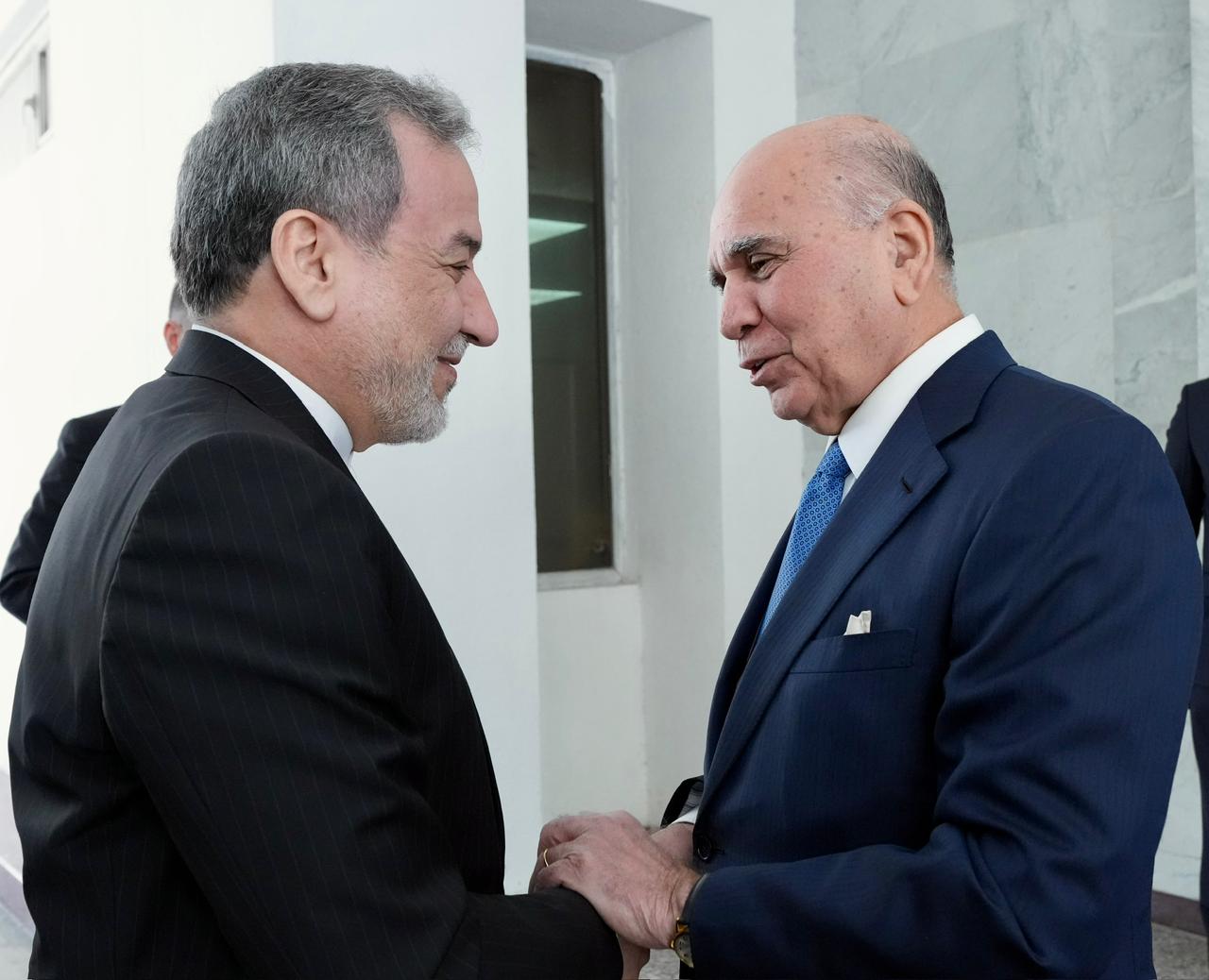
The latest escalation comes against the backdrop of the Strait of Hormuz, the strategic waterway for global energy supplies. Iran suspended navigation through the strait after the United States and Israel launched war against it on February 28, triggering shockwaves across global markets.