

Iraq launches major anti-corruption crackdown, arrests senior political and government figures
A sweeping security and judicial operation in Baghdad led to the arrest of more than 15 current and former officials as Iraq intensifies its fight against corruption and vows to hold powerful figures accountable.



 Messenger
 Whatsapp
 Threads
 Email
Email
 Print
Print
 X
X
 Facebook
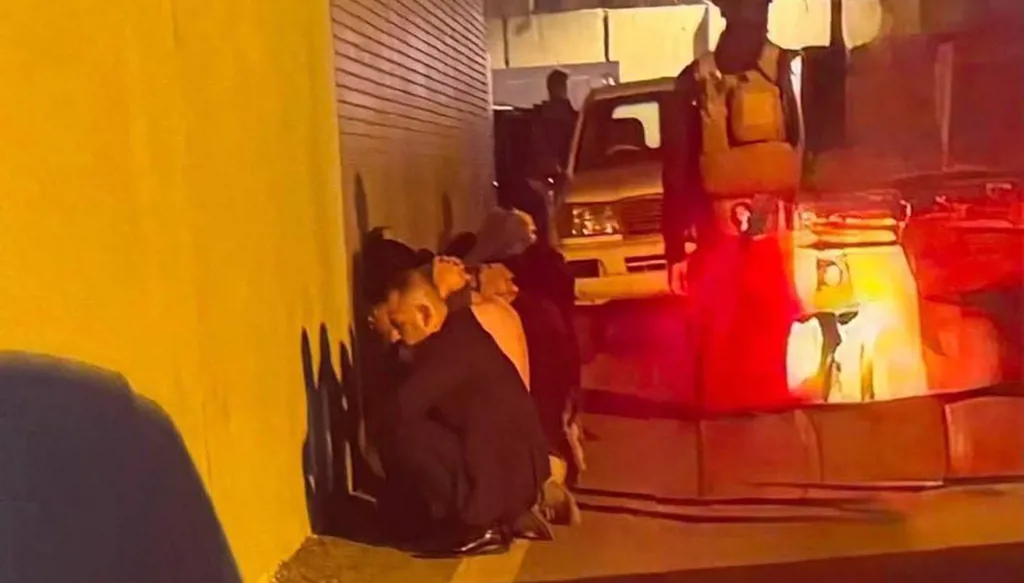


Baghdad witnessed the launch of one of the largest security and judicial operations targeting individuals accused of corruption in years, early Sunday morning. The move marks a significant escalation in the state's efforts to hold prominent political and government figures accountable over allegations of financial and administrative corruption. Conducted under direct judicial supervision, the operation followed the issuance of arrest warrants based on confessions and evidence gathered by the relevant authorities, prompting simultaneous raids across several areas of the capital.
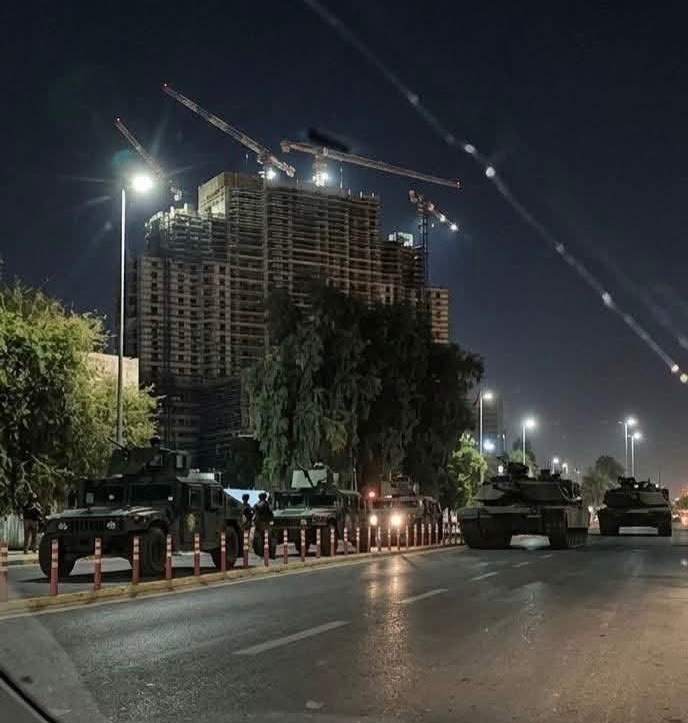
Simultaneous Raids in Baghdad
According to informed Iraqi sources speaking to Annahar, the security plan "relied on the extensive deployment of the Counter-Terrorism Service and the Special Forces under the Prime Minister’s Office, which carried out raids and imposed security cordons around the residences of the wanted individuals, while enforcing strict security measures in targeted neighborhoods to prevent any attempts to flee or conceal the suspects."
The sources added that "the campaign resulted in the arrest of more than fifteen individuals, including current and former members of parliament, former ministers, ministry officials, some of whom currently hold government positions, as well as well-known political figures on the Iraqi scene. Meanwhile, several wanted individuals were not found during the raids on their homes, and security forces continue search and inspection operations across various parts of the capital amid a heightened security presence."
The operation is part of a broader government campaign to combat corruption, one of Iraq's most significant challenges since 2003. Reports by the Federal Integrity Commission, the Federal Board of Supreme Audit, and international indicators, particularly those issued by Transparency International, indicate that corruption has drained billions of dollars from public funds. This has directly affected the country's service, investment, and development sectors while contributing to declining public trust in government institutions.
الساعة الواحدة والنصف من فجر اليوم الأحد 28/6/2026 وأنا عائد إلى منزلي تفاجأت باغلاق منافذ المنطقة الخضراء من العلاوي والجسر المعلق وكذلك اليرموك والحارثية
— محمدالسيدمحسن (@m_alsaidmohsin) June 28, 2026
أنباء عن رفع الحصانة عن عدد من النواب وإلقاء القبض على عدد من شخصيات الخط الثاني من العملية السياسية
الأنباء ما زالت غير… pic.twitter.com/nwVbZuZg7b
Governmental Promises of Accountability
The campaign carries significant political and judicial importance as it follows promises by Iraqi Prime Minister Ali Al-Zaidi to make combating corruption a top priority of his government. He has pledged zero tolerance for anyone found to be involved, regardless of their political or administrative position or influence within state institutions.
These commitments are supported by growing domestic political backing, increasing public demands to hold corrupt officials accountable and recover public funds, as well as international support for reform efforts and strengthening the rule of law, particularly from the United States and other countries backing anti-corruption initiatives and institution-building in Iraq.
Observers believe the campaign's success will not be measured solely by the number of arrests or the positions of those detained, but by the authorities' ability to complete judicial proceedings transparently and independently, ensuring corruption cases are not influenced by political pressure or settlements. They argue this would establish anti-corruption efforts as a lasting institutional process rather than temporary measures driven by political or security circumstances.
#يحدث_الان داخل المنطقة الخضراء بالتزامن مع حملة اعتقالات واسعة تطال عدد من السياسيين pic.twitter.com/giLTXU0rxp
— هشام علي :: husham ali (@husham_ali1) June 28, 2026
Restoring Trust in the State
Ali Jabouri, a political science professor at the University of Baghdad, told Annahar that "the launch of the wide security and judicial campaign in Baghdad represents an important turning point in restoring the authority of the state and reinforcing the rule of law. Its success depends on completing judicial procedures against all accused without exception or discrimination."
He added that "implementing arrest warrants against individuals who currently hold or previously held senior political and executive positions sends a clear message that no one is above the law. The next phase should be based on the principle of accountability, free from political considerations or party pressures." He noted that "major corruption cases can no longer tolerate delay because they have depleted public funds and hindered development and public services, making the continuation of these campaigns a national necessity to restore citizens' trust in state institutions."
Jabouri further stressed that "the judiciary and security agencies must continue pursuing all wanted individuals and executing the issued arrest warrants. Any retreat or selective application of the law could undermine public confidence in the current measures, while sustained efforts will pave the way for a new phase centered on accountability and transparency."
He emphasized that "the fight against corruption should not be limited to making arrests. It must also include recovering stolen funds, dismantling corruption networks, and holding everyone proven to be involved accountable under the law, while ensuring fair and transparent trials that reinforce judicial independence and uphold the principle of ending impunity."