

Iran Negotiations Cross the Nuclear Threshold
In a climate of little trust and numerous events, the Middle East faces a crisis far beyond Hormuz and enrichment, standing before a regional strategic deterrence crisis, both conventional and nuclear, forcing the region's nations to reconsider their calculations.



 Messenger
 Whatsapp
 Threads
 Email
Email
 Print
Print
 X
X
 Facebook
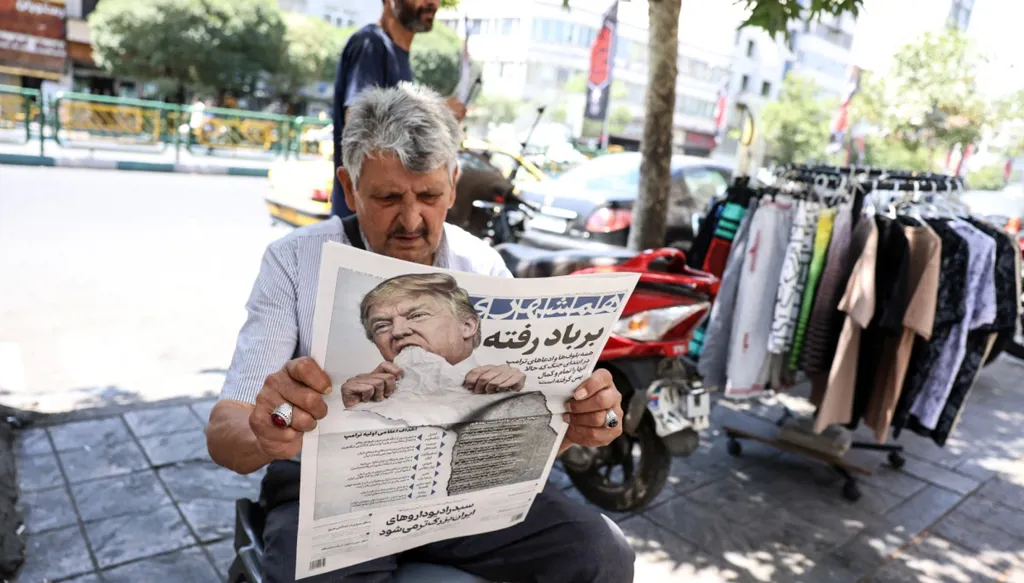


How much time is left until Iran crosses the nuclear threshold and becomes a nuclear state?
Esteemed American experts estimate that if Iran can neutralize the United States and keep its nuclear program facilities out of their reach, it would only take a few months to reach the "military uranium" stage and one to three years to complete its bomb and delivery means.
Nevertheless, these precise numbers seem inadequate because they provide a false sense of certainty and implicitly assume that nuclear time is still technically measurable.
On the other hand, according to Iranian strategists, economic calculations, sanctions, and destruction are no longer the primary concern for Tehran's rulers. The crucial issue has become restoring the international and regional deterrence for the regime. Thus, nuclear time becomes more political than technical.
It may take three years to develop some components, but the decision to place them on the strategic table could take just hours. At that point, the game is complete, and American military success transforms into a major intelligence and strategic failure.
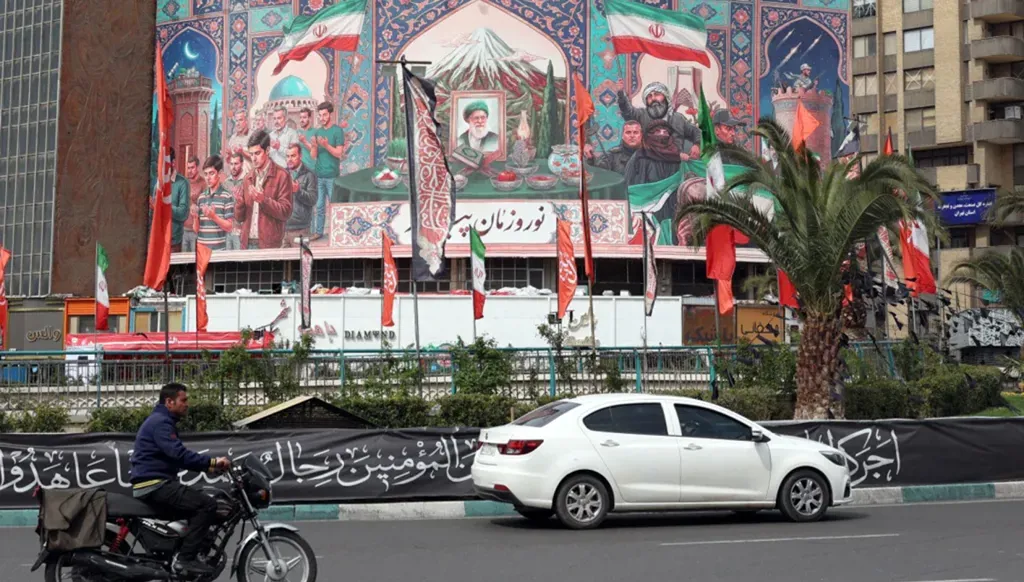
The recent war showed that destroying technology, facilities, or supply chains is no longer sufficient. Tunneling, internationalizing knowledge networks, and production chains have made military strikes necessary but not nearly enough.
The dilemma of uncertainty, and the need for inspection, intelligence, and verification, have become far more significant than merely destroying facilities or assassinating this or that scientist. The program has become part of the regime's survival equation, not just technical capabilities, economic needs, or a means of strategic deterrence.
Conversely, the final agreement, as envisioned by Trump, involves mechanisms of verification and inspection that would strip Iran of its negotiation capabilities to extort the international community. Eternal negotiation grants it the necessary ambiguity and absence of inspection, thus providing deterrence without the cost of sanctions, while the international community is stumbling over a chronic dilemma: between possessing weapons and not possessing them.
The question is no longer whether the program will be delayed by a year or three from producing the bomb. It has become: do we know where it stands? Thus, the current U.S. goal shifts to managing uncertainty.
In this situation, transparency is no longer a legal luxury but a strategic resource for verification, no less important than military deterrence.
As the war has shown, the time is no longer about the nuclear program alone, but about oil markets, investment, supply chains, and global inflation. Thus, nuclear time becomes a strategic commodity that the United States seeks to buy, and Iran seeks to invest in, while markets work on pricing it.
Military pressure and the absence of effective inspection have undermined the verification system, turning the years the West thought it had gained into years of strategic ignorance. A vague nuclear program is much more dangerous, even if slower. Every time estimate is, essentially, an estimate of available knowledge and verification, not merely the level of technical progress.
Thus, the question that will determine the future of the Middle East changes. The era of overwhelming military power has ended, and the core of the calculus lies in managing knowledge, ensuring transparency, and reducing uncertainty.
According to these American experts' estimates, Iran has crossed the nuclear threshold in its conventional sense but has not yet acquired the bomb. Perhaps it seeks to remain between these two limits via the game of ambiguity and eternal negotiation.
Yet these estimates conceal more than they reveal. Iran's nuclear program has become part of the power structure in the Islamic Republic; it gives it a bargaining chip, feeds a sense of immunity from any reckoning, and creates a deterrent ambiguity. Therefore, it cannot be understood by the logic of physics alone.
A Political Project by Nuclear Means
While the International Atomic Energy Agency points to increasing difficulties in accessing and verifying some sites, and while the fate of parts of the materials and facilities remains contentious, the question is no longer: how long does Iran need to make a bomb? It has become: does Iran find interest in completing "Islamabad" agreements, with all the inspections and verifications they might entail, which would strip it of its negotiating cards and cut off its regional blackmail?
On the other hand, ambiguity allows it to restore its strategic deterrence based on its nuclear program.
However, this situation is not stable and cannot persist indefinitely. Iran's formula could collapse at any moment. As soon as Iran believes that diplomacy no longer grants it the required margin, the decision to arm itself nuclear becomes more attractive. At that point, the program is not just a prestige project but the final insurance policy.
There are many future scenarios, the most likely being eternal negotiation, advanced enrichment, limited cooperation with inspectors, mutual threats, and intermittent negotiations. This situation allows Iran to improve its position, Washington to avoid a wide war, Europeans to continue talking about diplomacy, and markets to live with the risk.
It is a delicate balance. And in a climate of little trust and plenty of events, the Middle East faces a crisis far beyond Hormuz and enrichment; it stands before a strategic regional deterrence crisis, both conventional and nuclear, forcing the region's nations to reconsider their calculations.
On the other hand, U.S. guarantees undergo the most intense and dangerous test, while Iran attempts to turn the Gulf area from a traditional tension arena to a multi-faceted deterrence space.
In this degree of regional uncertainty, a policy based merely on sanctions and strikes is insufficient, as is diplomacy built on general promises. A more astute equation is required: delaying capability, maintaining inspection, and offering a political exit that prevents Iran from considering the bomb its sole assurance. Verification is not a technical detail but the first line of defense.
Iran has not yet become a declared nuclear state but has come close enough to make the old question inadequate. The danger is not only waking up one morning to an Iranian bomb test but that the United States might spend years believing it is monitoring a containable program, only to discover the program has outrun it into the shadows.
The future of Iran's nuclear program will not be determined in laboratories alone, nor in military command rooms alone, but will be decided in the gap between fear and calculation. As long as Tehran sees the nuclear threshold as a greater asset than the bomb, ambiguity will remain king.
If survival itself becomes threatened, the nuclear threshold could become a new gateway to risks. Then the question won't be: does Iran need one year or three? But: why didn't we know it crossed until it was too late?