

Tensions surge in Strait of Hormuz as Iran warns of crushing response and maritime incidents multiply
Iran threatens swift retaliation over alleged violations of its maritime rules as regional security warnings, drone attacks, and tanker incidents raise fears of wider escalation in and around the Strait of Hormuz.



 Messenger
 Whatsapp
 Threads
 Email
Email
 Print
Print
 X
X
 Facebook
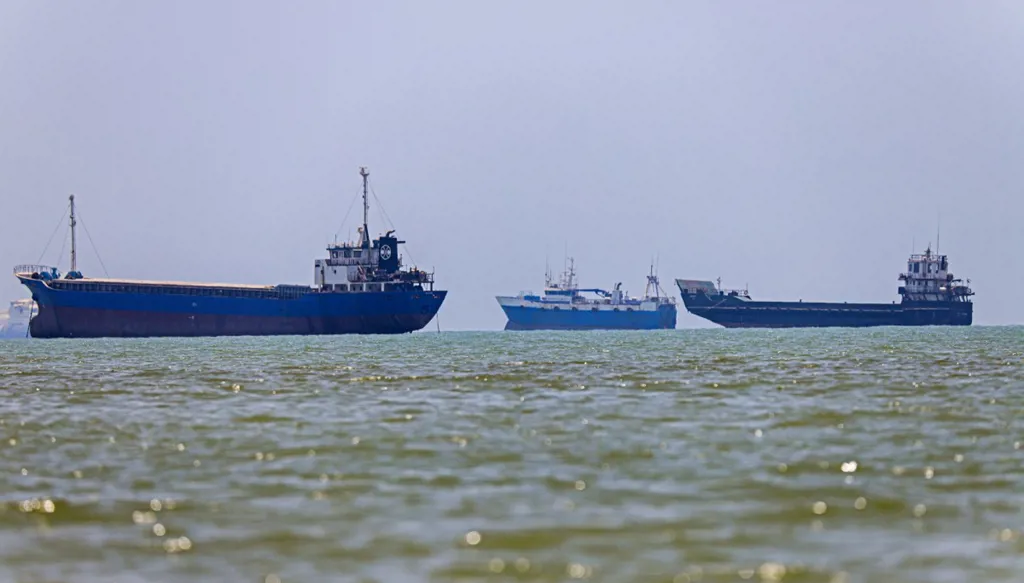


Iranian authorities warned of a “decisive and crushing response” to any violation of any provision of the memorandum of understanding with Washington, after stating that it had struck US-linked targets on Saturday in response to US airstrikes on its southern coast.
Bahrain, which hosts the US Navy’s Fifth Fleet, along with several other Arab countries, condemned what it described as an Iranian drone attack on its territory, calling it a blatant violation of its sovereignty and a threat to its security.
Strait of Hormuz back in focus again
Iranian state television announced that the Islamic Revolutionary Guard Corps Navy will deal firmly with vessels that follow routes not designated by Iran, and that all ships must communicate and coordinate with the IRGC Navy in order to enter or leave the Strait of Hormuz.
It confirmed that Iranian instructions for passage through the Strait of Hormuz remain in effect in the waterway.
It also stated that some ships are seeking Iranian permits to pass through Hormuz after “unauthorized vessels faced warning shots.”

Is Iran “in control”?
Following the attack that took place on Thursday against a cargo ship off the coast of Oman, Iran did not claim responsibility. However, it affirmed its authority over regulating maritime navigation in the Strait of Hormuz.
It said that vessels must adhere to routes designated by Tehran and stated that the temporary agreement with the United States gives it control over ship traffic through the strategic waterway.
For its part, US Central Command confirmed that the Iranian attack was an “unjustified act of aggression against commercial shipping,” adding that the United States will continue to provide coordination and support for the safe passage of commercial vessels transiting the strait.
Before the outbreak of the latest violence, oil prices fell by about 3 percent on Friday, heading toward sharp weekly losses as oil tankers exited the Strait of Hormuz.
Shipping data showed that Saudi Aramco resumed loading crude oil in Ras Tanura, the world’s largest oil port, after a suspension lasting nearly four months. Fertilizer shipments through the strait also rebounded, helping ease concerns over rising global food prices.