

The high-stakes gamble to prevent another Middle East war
As U.S.–Iran negotiations enter a decisive stage, hopes for a lasting ceasefire are tempered by deep mistrust, domestic political pressures, and unresolved disputes over Iran's nuclear program and regional security.



 Messenger
 Whatsapp
 Threads
 Email
Email
 Print
Print
 X
X
 Facebook
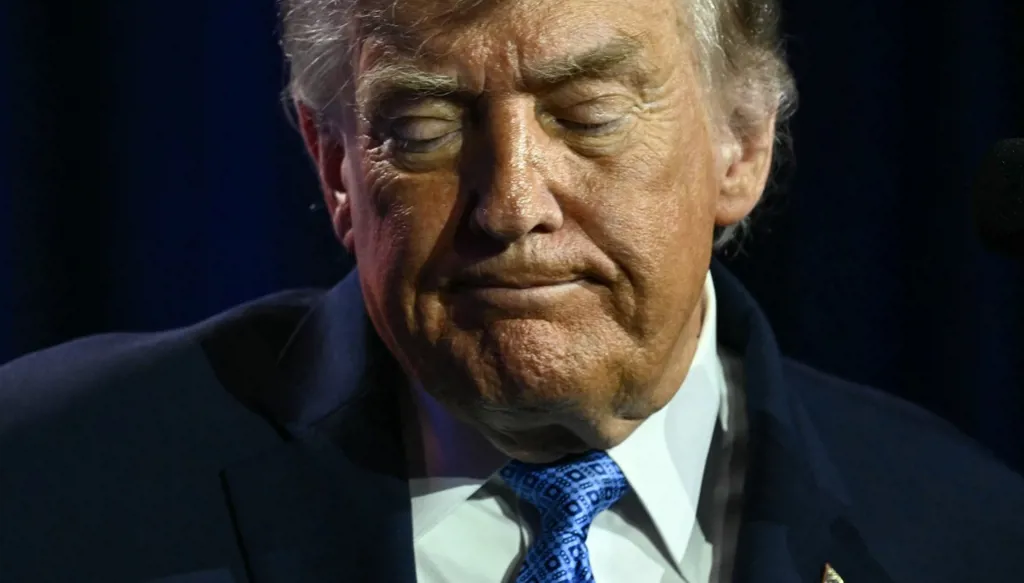
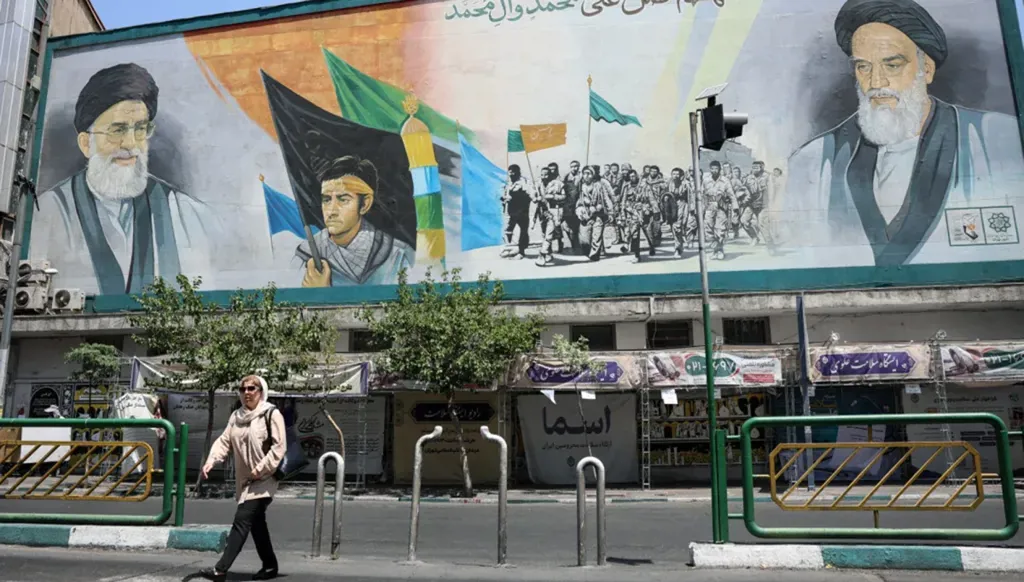
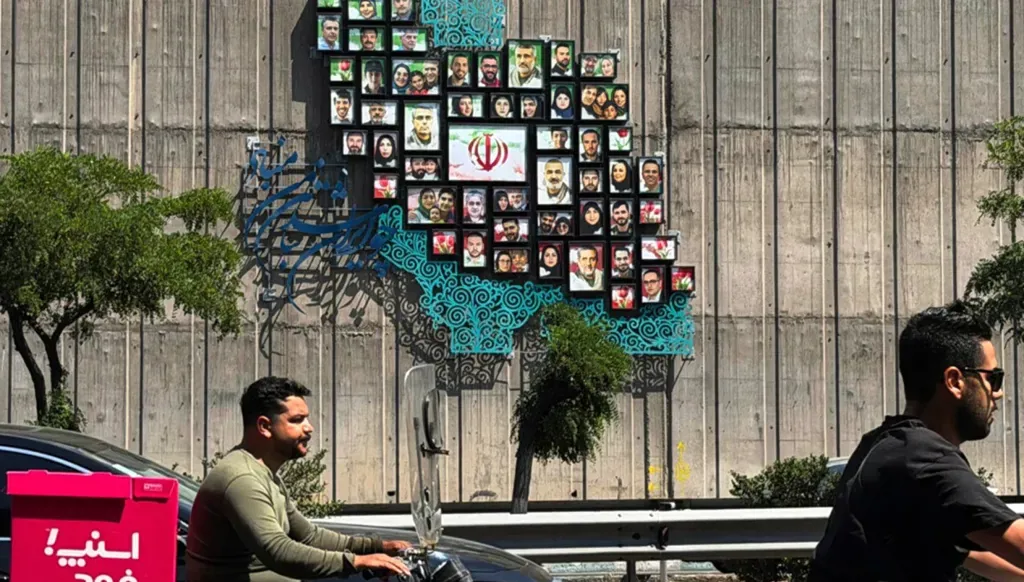


The world anxiously awaits the outcome of ongoing communications between the United States and Iran, with the participation of Qatari and Pakistani mediators, to finalize the memorandum of understanding and reach a final agreement that prevents a return to war and transitions the Middle East into a more stable phase.
Some observers remain concerned about the contradictory statements issued by American and Iranian officials on key issues, including the nuclear program and the Strait of Hormuz. Both sides face significant domestic challenges in shaping public narratives around the talks and the agreements reached thus far, amid an atmosphere of suspicion and mutual accusations. Washington and Tehran each claim a major victory and maintain that they have imposed their conditions on the other. Although both appear genuinely committed to avoiding a return to war and advancing diplomacy, the increasingly sharp rhetoric and the high political thresholds required to convince domestic audiences of success could jeopardize the negotiations and trigger a renewed conflict, further complicated by Israel's negative role in the negotiations.
Proxies… and the most difficult file
President Trump’s team understands that any agreement will not pass easily if Israel’s security is not taken into account. For this reason, it is working on dismantling Iran’s regional proxies and is giving significant attention to Hezbollah in Lebanon. Pressure on the Iraqi government has begun to bear fruit, as most factions of the Popular Mobilization Forces have started handing over their weapons to the state. Including the Lebanon war in the memorandum of understanding is also intended to push Tehran to pressure Hezbollah to halt its military operations and withdraw from south of the Litani, which would facilitate negotiations in Washington and open the way for a permanent solution regarding Hezbollah’s weapons.
Iran’s ballistic missiles will be the most difficult issue for Trump. Therefore, diplomatic sources believe that Washington understands it may have to overlook this file in exchange for strengthening the missile defense capabilities of regional countries, and allowing some of them to build their own ballistic missile arsenals to raise deterrence against Iran.
It appears that some circles in Tehran believe President Trump is in a predicament and truly think that America has been defeated. As a result, they are exerting strong pressure on Iranian leaders and negotiators not to make concessions on the nuclear file and the Strait of Hormuz. These forces will fall into the same problem that led to the war in the first place, as they did not believe Trump was serious about his threats to wage war against them.
The regime may again make miscalculations based on an illusion of power and victory, insisting on its conditions and refusing compromise. Trump has announced that he will not accept the imposition of fees on navigation in the Strait of Hormuz as Iran demands, and he insists on resolving the nuclear issue. He will not be able to sell a deal that does not achieve these two objectives. If he is given a choice between a bad agreement or a return to war that could include sending troops to seize control of the Strait of Hormuz, he will most likely choose war. In that case, the regime would lose a golden opportunity that will not come again.
Disclaimer: The opinions expressed by the writers are their own and do not necessarily represent the views of Annahar.