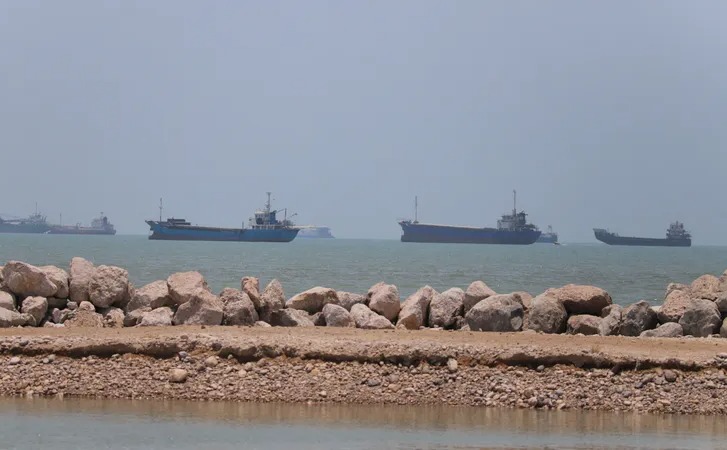
Attack on tanker raises fresh Strait of Hormuz security fears
Shipping continues despite the incident as Iran is seen signaling its leverage over the strategic waterway amid negotiations with Washington.



 Messenger
 Whatsapp
 Threads
 Email
Email
 Print
Print
 X
X
 Facebook
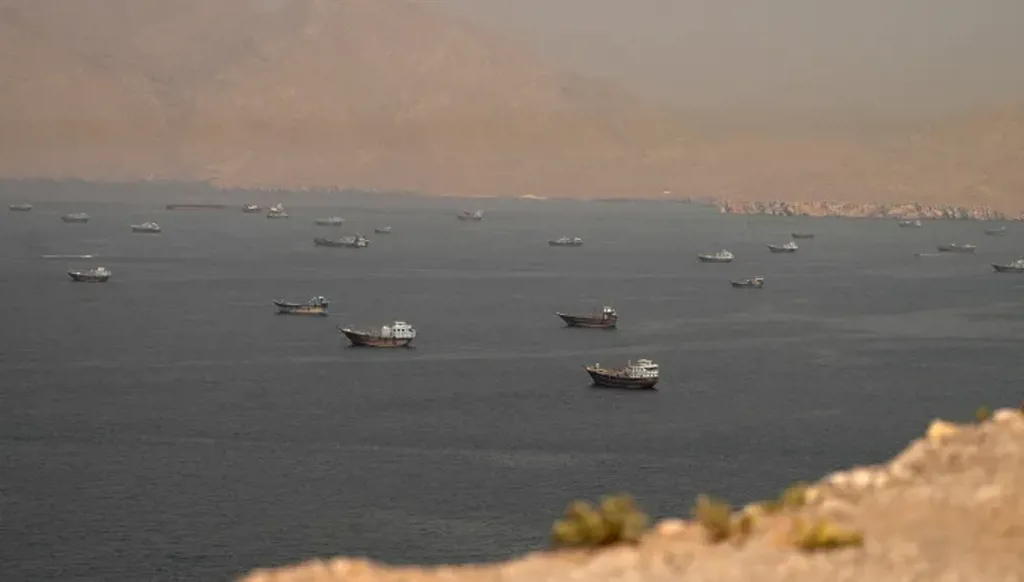
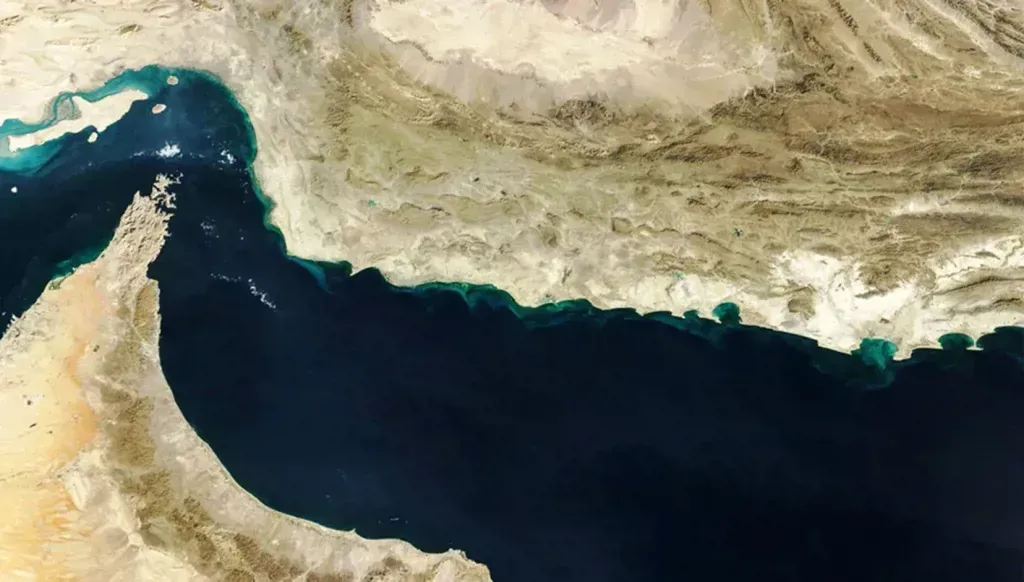
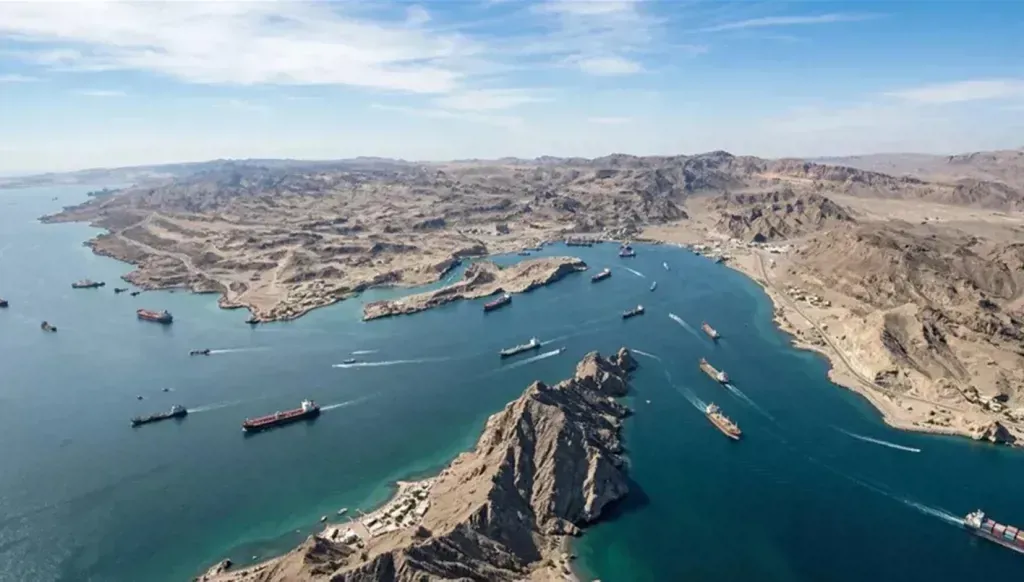


Limited tensions were reported in the Strait of Hormuz over the past few hours after a tanker was struck. Iran has not claimed responsibility for the attack, but assessments indicate it was behind the drone strike targeting the Singapore flagged vessel. The incident followed threats issued by the Islamic Revolutionary Guard Corps warning that ships must adhere to routes designated by Iran and that safe passage would not be guaranteed otherwise.
The attack once again highlights the serious risks surrounding maritime security in the Strait of Hormuz and demonstrates Iran's continued ability to assert control over the strategic waterway, even after the agreement reached between the United States and Iran a few days ago and the understandings Iran has established with the Sultanate of Oman.
Is Iran trying to impose its terms?
In this context, reports indicate that Iran continues to demonstrate its ability to control the Strait and threaten both regional security and global energy security in an effort to strengthen its position in the ongoing negotiations in Switzerland and the potential agreement with the United States. This is particularly evident in its demands regarding the management of the Strait and the collection of certain fees, while the United States continues to reject the imposition of transit charges.
The attack was the first of its kind since the US Iran understanding was signed. It comes as implementation of the agreement faces obstacles due to Israel's continued presence in southern Lebanon and the persistence of limited clashes with Hezbollah. The incident also coincides with US Secretary of State Marco Rubio's visit to the Gulf to rally support for the agreement with Iran.
Meanwhile, the United Kingdom Maritime Trade Operations, which monitors shipping activity in the region, reported that the cargo vessel was hit on its starboard side by an unidentified projectile, causing damage to the bridge. No casualties or environmental damage were reported.
Shipping traffic continues
Maritime traffic in both directions through the Strait of Hormuz continued on Friday despite the attack. Vessel tracking data showed that two fully loaded tankers continued departing the Arabian Gulf, while four empty very large crude carriers were sailing toward the Gulf along the Omani coast through the southern shipping lane managed by the Sultanate of Oman in coordination with the United States.
However, the attack affected tanker traffic by prompting some shipowners and captains to delay voyages or adopt measures to reduce operational risks, according to shipping industry sources who requested anonymity.
Despite this development, no major disruptions to maritime traffic were recorded, with shipping activity continuing to show signs of gradually returning to pre-escalation levels. According to data from Vortexa, the average number of tankers transiting the Strait has risen to more than 20 per day following the temporary agreement between Washington and Tehran, compared with around six tankers per day during most of the war.