

Frozen assets and fragile hopes: Iran’s economy between relief and constraint
Gradual release of billions in frozen Iranian funds may ease short term economic pressure, but debates over control, sanctions, and structural weaknesses suggest limited long term impact.



 Messenger
 Whatsapp
 Threads
 Email
Email
 Print
Print
 X
X
 Facebook
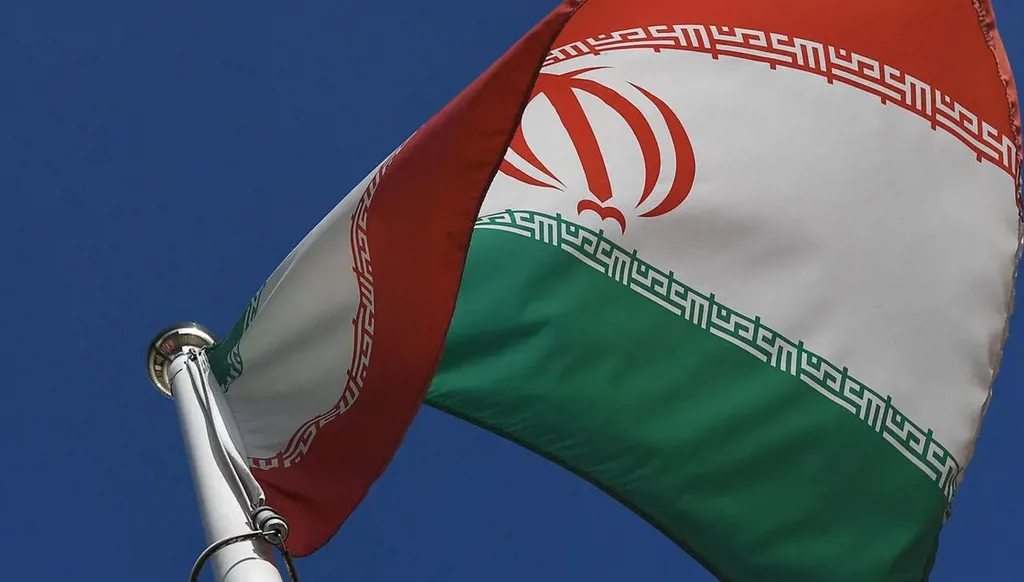


The first signs of potential economic gains from the US Iranian understanding are beginning to emerge, after Iranian President Masoud Pezeshkian announced the release of six billion dollars of frozen Iranian assets in Qatar. This step could mark the beginning of a flow of funds that Tehran urgently needs after years of sanctions and the costs of the recent war with the United States and Israel.
However, these funds will not be fully available to the Iranian government. US President Donald Trump confirmed that any amounts released by the US Treasury will be limited to purchasing American food supplies and medical goods, meaning that the use of the money will remain under Washington’s oversight.
The memorandum of understanding signed by the United States and Iran last week provides for a period of sixty days to reach a final peace agreement. It includes the lifting of sanctions and the gradual release of frozen Iranian assets.
Assets that may exceed eighty billion dollars
Iran holds the third largest oil reserves in the world, yet a large portion of its money remains out of reach. Estimates suggest that Tehran has around thirty-seven billion dollars in frozen assets in various countries, in addition to between twenty and fifty billion dollars held in China, bringing the total restricted funds to nearly eighty billion dollars at the highest estimates.
Independent political economy and risk analyst Alireza Ramezani believes that releasing these funds will give the Iranian economy a strong short-term boost. It will help strengthen foreign currency reserves and calm the exchange market, after the Iranian rial lost about ninety eight percent of its value against the US dollar over the past decade, despite recovering by about eight percent since June eleventh.
Ramezani says the Iranian government has recently been forced to spend billions of dollars on military operations, subsidies for basic goods, controlling inflation, and financing cash support programs, which has drained its foreign currency reserves.
The release will be gradual
Foreign banks holding Iranian assets will not release them all at once, but rather in stages, with the first portion allocated to financing imports of humanitarian goods such as food, medicine, and medical equipment.
Ramadani believes this mechanism will ease pressure on Iran’s current foreign currency reserves and allow them to be used in other more urgent areas.
For his part, Mustafa Pakzad, an independent geopolitical analyst, says the debate inside Iran is not only about the value of the funds, but about the degree of control Tehran will have over them. Critics question whether the government will be the one making decisions on how to spend them, or whether every disbursement will still require US approval.
He adds that this reality has placed the hardline camp in a difficult position, as rejecting any flexibility in negotiations would mean giving up one of the few remaining sources of significant foreign liquidity. Meanwhile, the internal debate in Tehran is increasingly focused on how to benefit from financial opening without appearing politically weakened.
War and economic strain
These developments come at a time when the Iranian economy is facing unprecedented pressure. The Tasnim news agency estimated the losses from the recent war at around 270 billion dollars, while Standard and Poor’s Global expects the Iranian economy to contract by 6.2 percent this year, with the budget deficit widening to 4.4 percent of GDP and public debt rising to 36 percent.
In the energy sector, Iranian oil production has fallen to its lowest level in five years, recording 2.3 million barrels per day in May, compared with 3.2 million barrels per day in February, although the average selling price of Iranian crude rose to around 115 dollars per barrel, partially offsetting the impact of lower production.
Ramadani points out that the US blockade has led to an almost complete decline in energy exports, despite the continued export of limited quantities through the Strait of Hormuz during the early days of the war, depriving the Iranian economy of its most important source of foreign currency.
Temporary relief
At the same time, Iran’s annual inflation rate rose to 77 percent in the month ending May 21, according to Persian media based on official data.
Ramadani believes that any easing of sanctions or release of frozen assets would quickly ease pressure on liquidity, imports, and the banking sector, but he warns that this effect will not last unless accompanied by financial and monetary reforms that address structural imbalances.
He concludes that frozen funds can give the Iranian economy some breathing room after the war, but they are not sufficient on their own to pull it out of its ongoing crisis.