

Warfare in the age of networks: From platforms to integrated battlespaces
As traditional battlefield boundaries dissolve, modern militaries are shifting toward interconnected multi domain networks where speed of information, artificial intelligence, and real time coordination matter more than the strength of individual weapons systems.



 Messenger
 Whatsapp
 Threads
 Email
Email
 Print
Print
 X
X
 Facebook
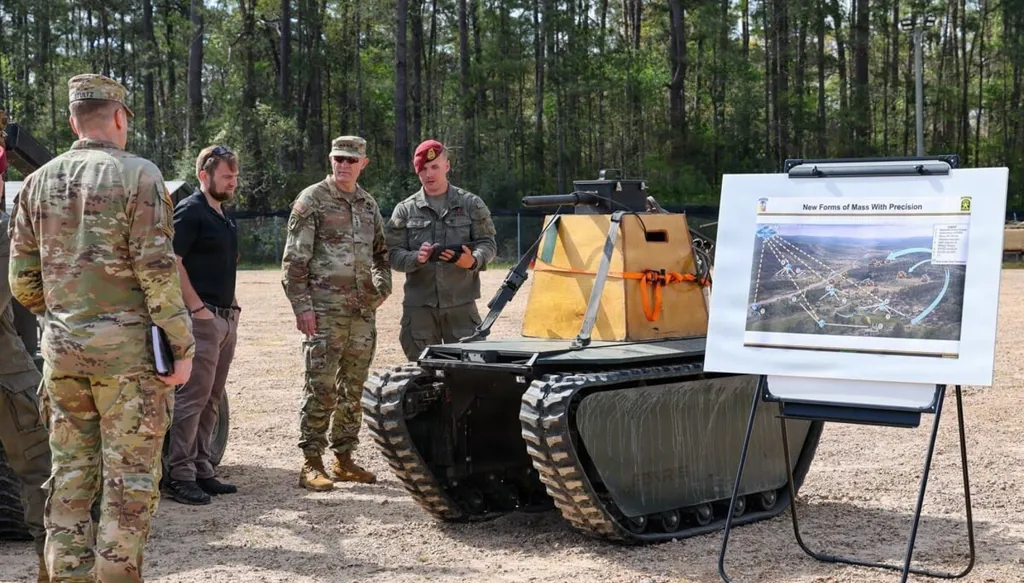


In traditional military doctrine, each system had a specific function: radar detects, satellites observe, aircraft attack, and soldiers execute. Today, however, these boundaries are starting to fade as militaries move from relying on independent combat platforms to interconnected operational networks through which information flows between satellites, sensors, robots, drones, and combat units.
Development is no longer limited to upgrading weapons; it now extends to the very logic of warfare itself. Artificial intelligence technologies now integrate data coming from different platforms and coordinate their activity in real time to support decision making. A 2026 study issued by the National Institute for Strategic Studies National Institute for Strategic Studies at the National Defense University indicates that superiority in the coming decades will be measured more by the speed of collecting, analyzing, and acting on data ahead of the adversary than by the number of combat platforms.
Space as a new theater
This transformation is particularly evident in space, which is no longer merely a supporting environment for military operations but has become an operational domain in its own right. Instead of focusing on destroying satellites, major powers are moving toward more precise methods, including hacking their systems, spoofing navigation signals, and conducting orbital close approach operations to disable them without destroying them, in addition to developing guardian satellites to protect space assets.
The Hypersonic and Ballistic Tracking Space Sensor system HBTSS embodies this trend through a network of satellites in low Earth orbit operating within an interconnected space architecture to track ballistic and hypersonic missiles from launch to the end of their trajectory and to provide missile defense systems with real time data. This system is becoming increasingly important with the spread of hypersonic missiles, which are harder to detect and track using traditional radar due to their high speed and maneuverability, making continuous space-based sensing an operational necessity.
In parallel, cyberspace has become a major front of conflict. Cyberattacks are no longer limited to stealing information; they now aim to disrupt command and control systems and paralyze communication, energy, and navigation networks in preparation for military action. The declining cost of cyber tools, the spread of open-source software, and advances in artificial intelligence have expanded the pool of actors capable of carrying out complex attacks, at a time when attributing their origin remains a major challenge for deterrence.
Unifying and integrating battlefields
In response to this reality, militaries are adopting the concept of multi domain operations, which integrates land, sea, air, space, and cyberspace into a single operational network. In any future confrontation, conflict may begin with a cyberattack affecting command, control, communications, and navigation before forces and drones move simultaneously, while all platforms exchange data in real time. In this context, the value of a weapon is no longer tied to its individual capabilities but to its ability to operate within an integrated operational network.
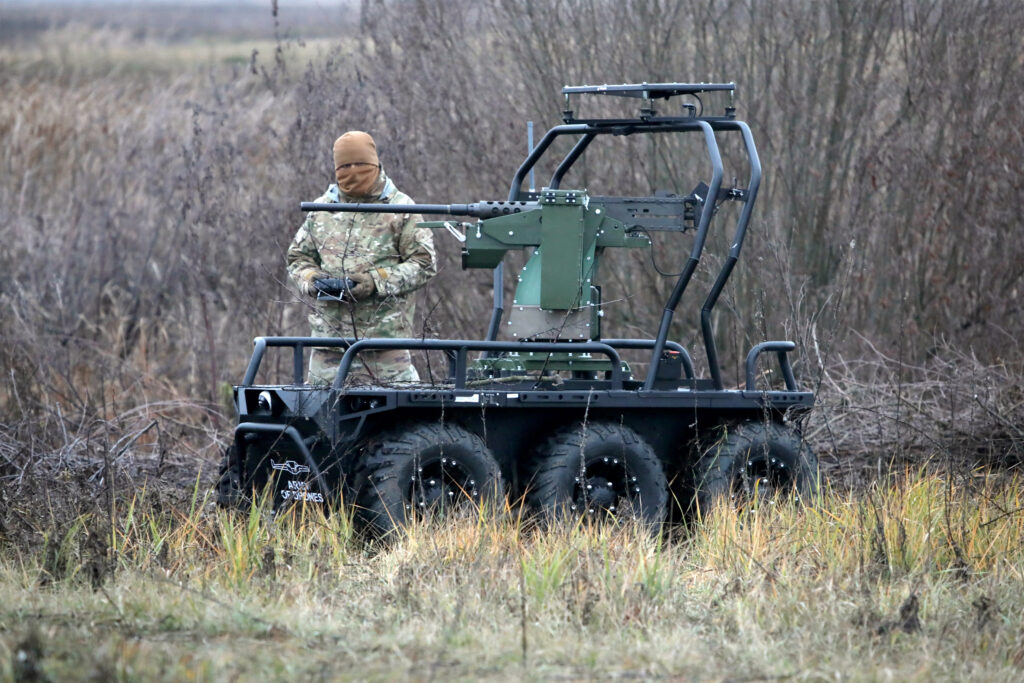
If these networks represent the nervous system of future warfare, artificial intelligence will be one of the most important tools for managing them, by integrating data and transforming it into a unified operational picture that helps commanders make decisions within seconds. In parallel, militaries are expanding the deployment of combat robots and unmanned systems, including armed unmanned ground vehicles, unmanned naval vessels, and unmanned aerial vehicles that carry out reconnaissance, attack, logistics, medical evacuation, and mine clearance missions. Research is also moving toward developing swarms capable of self coordination, data exchange, and dynamic task redistribution during combat.
Independent electronic warfare
At the same time, electronic warfare has become an independent form of combat aimed at controlling the electromagnetic spectrum and depriving the adversary of detection, communication, and decision making capabilities. The scope of conflict has also expanded to include cognitive warfare, which uses artificial intelligence, data analysis, and disinformation campaigns to influence human perception, public opinion, and decision makers.
To address these challenges, militaries are investing in the development of advanced military cyber awareness systems capable of monitoring networks and integrating data from different domains into a unified operational picture, while also tracking developments in quantum computing and the potential future transformation it may bring to encryption and military communications.
Ultimately, war is no longer built around a single combat platform but around an integrated network in which satellites, artificial intelligence, robots, drones, and cyber capabilities operate as one system.
Therefore, what matters is not who possesses the most powerful weapon, but who controls the smartest network. In future wars, the speed of information flow and the decision-making cycle may provide a decisive advantage in the earliest stages of conflict, even before direct military engagement begins.
Explore our weapons dossier and the related stories below: