

Drone vs drone: How “Merops” is reshaping air defense economics
As costly missile defenses face saturation from cheap drones, emerging AI powered interceptor systems like Merops signal a shift toward layered, lower cost air defense without replacing heavy systems like Patriot and THAAD.



 Messenger
 Whatsapp
 Threads
 Email
Email
 Print
Print
 X
X
 Facebook
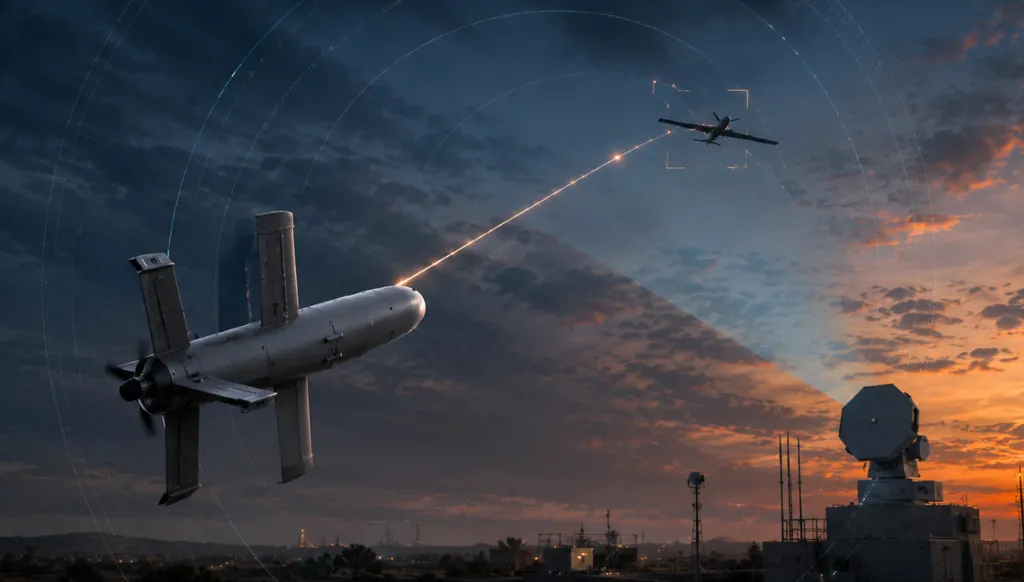


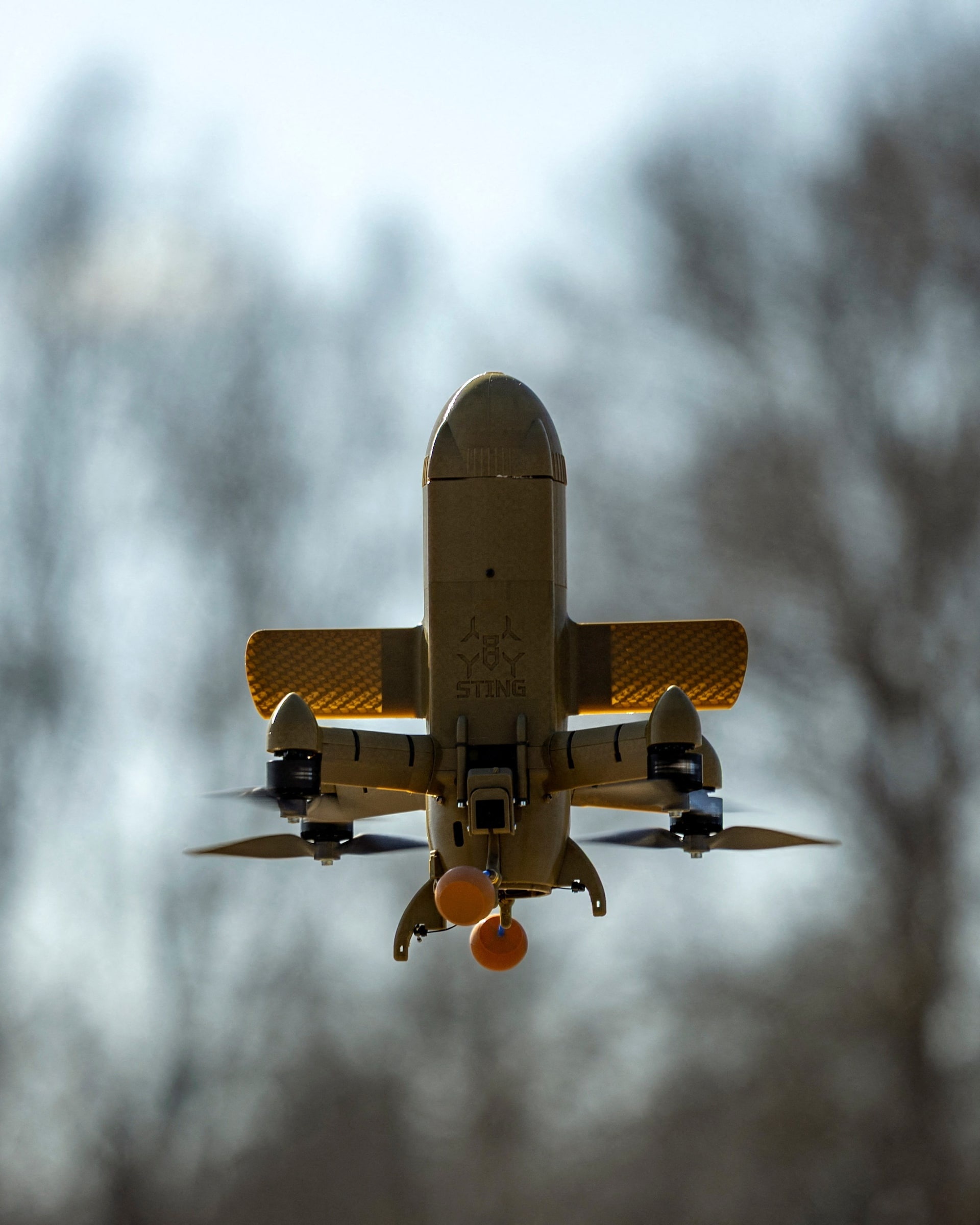
The system is based on a “drone versus drone” logic: instead of waiting for a target and then intercepting it with a high cost missile, Merops launches a small drone to pursue and strike it. Its importance lies in filling the gap between short range defenses and heavy systems such as Patriot and THAAD. It does not replace the defensive shield, but adds a lower cost layer better suited to dealing with slow moving drones and loitering munitions.
According to the source, artificial intelligence is used in several functions, including automatic target recognition, final guidance, and frequency hopping to avoid jamming. However, it confirms that all engagement decisions require approval from a human operator before the strike. When asked whether the human is always present in the final engagement decision, the answer was yes.
No end to Patriot, but a redistribution of roles
However, this does not end the debate about the role of artificial intelligence in military defense systems. According to Frank Sauer, head of research at the Metis Institute at the University of the German Armed Forces in Munich, artificial intelligence in weapons should not be treated as a single category.
Sauer told Annahar that the key is “distinguishing and drawing a detailed picture of what artificial intelligence does, and in which specific military context and application it is used.” He explains that there is a difference between a system that integrates sensor data, another that provides final guidance, and a third that supports engagement decisions, with each carrying its own opportunities and risks.
He argues that Ukraine mainly demonstrates the potential of machines to keep humans out of danger, but reminds that most unmanned systems there are still remotely operated. On cost, he warns against overstating the end of expensive defense systems, saying: “There will be no end to expensive air defense, because expensive aerial attacks will continue to require expensive air defense.”
He explains that launching a Patriot missile at a Shahed drone is usually not the ideal option, because “the preferred way to counter a cheap munition is a cheap countermeasure, otherwise it is like throwing a Ferrari at a Frisbee” — referring to a light plastic disc used in games. However, he adds that using an expensive option remains logical if the drone is heading toward an ammunition factory, school, or hospital.
In this sense, the Merops system and other defensive drone systems do not mark the end of Patriot and THAAD, but rather the beginning of a reordering of air defense roles. Heavy systems will remain necessary against ballistic missiles and more complex cruise missiles, while interceptor drones move forward as a cheaper layer against lower cost and more densely used threats. The question in our region is no longer whether a target can be shot down, but at what cost and with which layer of defense.
Explore our weapons dossier and the related stories below:
- Warfare in the age of networks: From platforms to integrated battlespaces
- The end of strategic depth: How modern warfare is redrawing the map of security