

Lebanese–Syrian border calm prevails amid denials of military build-up and tight security controls
Field sources and official statements on both sides dismiss reports of escalation, emphasizing localized movements, border vigilance, and a shared priority to maintain stability and prevent confrontation.



 Messenger
 Whatsapp
 Threads
 Email
Email
 Print
Print
 X
X
 Facebook
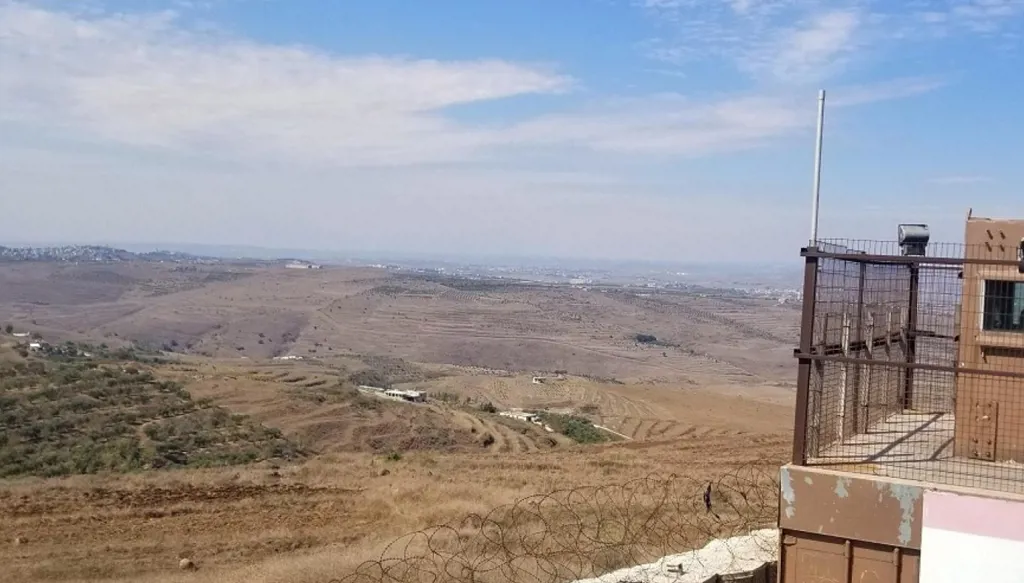


This localized movement, amplified by a wave of media coverage on social platforms alleging the presence of “military build-ups,” raised questions about the nature of the next phase. However, Syrian President Ahmad al-Sharaa swiftly reset the narrative by categorically denying any intention to enter Lebanon, confirming that no such military gatherings existed, and describing the circulating reports as exaggerated.
Local Scale and Central Controls
They point out that President al-Sharaa’s recent statements were intended to contain any regional repercussions that could undermine the momentum of Syria’s new approach. According to these sources, Damascus’ current priority is to consolidate internal stability and reassure neighboring countries, particularly Lebanon, in order to avoid any pretext that could trigger an uncontrollable military confrontation.
Accordingly, al-Sharaa’s statements were aimed at preemptively curbing any individual initiatives or excessive actions that could complicate the political and diplomatic course being pursued by the de facto authorities in Syria.
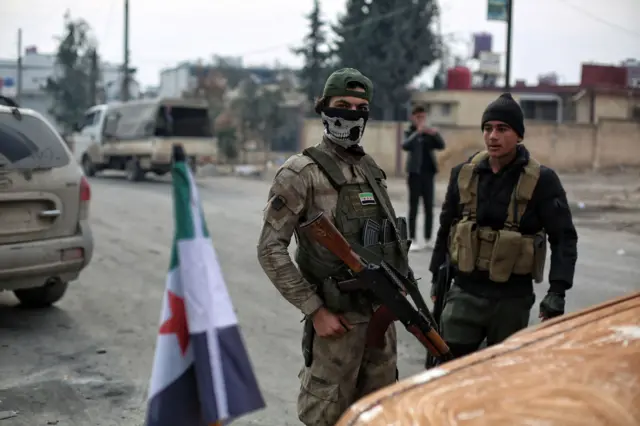
No Truth to the Gatherings
In this context, Annahar contacted a Syrian security source who sought to place developments within their actual field context, dismissing all scenarios of escalation and intimidation. He said, “All reports claiming the presence of massive military build-ups along the Lebanese border are completely unfounded and bear no resemblance to the reality on the ground.”
Technical and Security Alertness
However, the Lebanese Army’s “silent readiness” remains at its highest level, not in anticipation of an unlikely military incursion, but to deter any individual infiltration attempts and prevent smuggling networks from exploiting temporary security gaps on the other side, ensuring that the borders remain under strict surveillance and that no violations of the existing rules of engagement occur.
The conclusion reinforced by the field reality is that the Lebanese–Syrian border is shaped by a prevailing intent on the Syrian side to maintain calm, alongside heightened operational control and technical vigilance by the Lebanese Army. As a result, fears of “military gatherings” appear to be little more than a storm in a teacup on digital platforms, quickly dispelled by official statements and on-the-ground realities on both sides of the border.
In the end, the Lebanese–Syrian border appears to be governed by a central intent to maintain calm from the controlling forces in Syria, matched by firm field vigilance and heightened technical alertness from the Lebanese Army, rendering the “phobia of gatherings” little more than a storm in a digital teacup, dispelled by official and military realities on both sides of the border.