

Al-Sharaa’s Vision: Lebanon-Syria Security and Dialogue



 Messenger
 Whatsapp
 Threads
 Email
Email
 Print
Print
 X
X
 Facebook
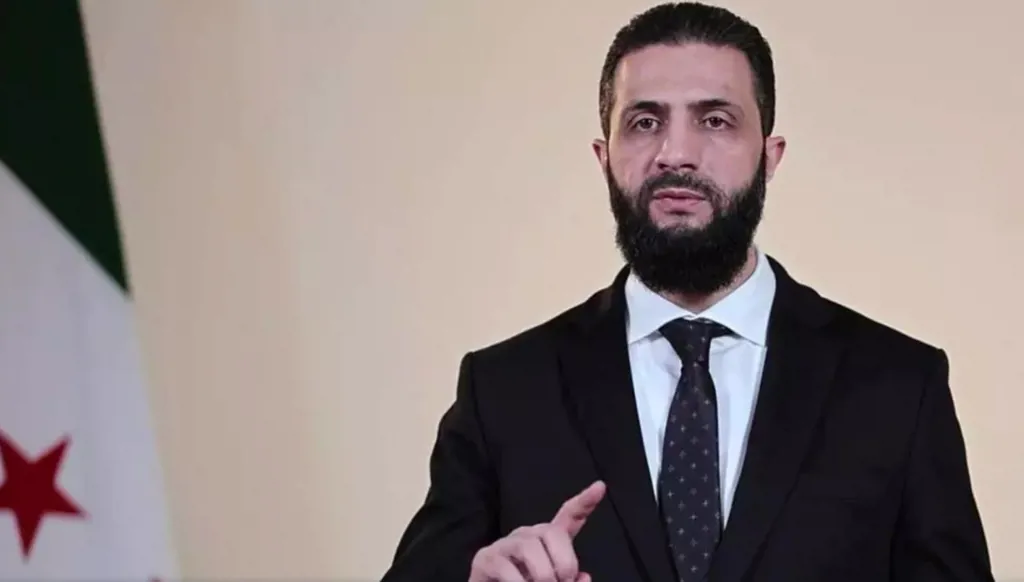


Creative Solutions from Al-Sharaa?
The Syrian President is credited with rising above the deep wounds he frequently invokes, in order to contextualize Shiite concerns in Lebanon that “Hezbollah” cites as a rationale for retaining its weapons and using intimidation. In Lebanon, however, others counter by asking: what about the fears of the remaining communities who are alarmed by those same weapons and what they describe as their destructive and deadly consequences?
Al-Sharaa appears to indirectly reflect a sense of strain his country continues to experience. Syria’s political transformation has attracted attention, support, and endorsement from major capitals, with envoys actively engaging in Damascus, restoring diplomatic ties, and reopening channels with the new Syrian leadership. However, this engagement has remained cautious and measured, falling short of the level of financial investment needed to meaningfully revive the Syrian economy or alleviate its ongoing hardships.
Guarantees of Security
Lebanon’s situation, in this context, does not differ significantly from that of Syria. Some readings of the Syrian case suggest that financial engagement from international capitals remains constrained by the need for guarantees of stability, clarity regarding the future of contentious factions within the ruling system, and security assurances for all components of Syrian society. In the Lebanese case, however, the position appeared more explicitly defined in statements issued by capitals and donor institutions, which set out transparent conditions, calling on Lebanon to strengthen the state, reform its system, assert control over unlawful weapons, and centralize decisions related to war and peace.
In Lebanon, some argue that the country requires regional and international sponsorship to strengthen its state and institutions, including its military and security apparatus, in order to meet donor conditions and achieve meaningful progress. Undoubtedly, what Al-Sharaa appears to imply in his remarks to Trump regarding Lebanon reflects the view that the security-based solution sought by the international community from Beirut to remove the party’s weapons is neither practical nor realistic without first examining its feasibility, particularly at a time when the Israeli army, despite the ongoing war in Gaza since 2023, has been unable to disarm “Hamas” there.
The world must assume its responsibility in supporting the historical transformations taking place in both Syria and Lebanon. Al-Sharaa appears to suggest that Syria and Lebanon are effectively in the same boat, facing interconnected challenges. In this view, the international community should not reduce Lebanon or Syria, to a purely security dossier. Instead, he implies that dialogue, including engagement between Syria and Lebanon and even discussions involving “Hezbollah,” represents the only viable path toward stable relations that can serve the interests of both countries.