

US and Iran exchange claims on Strait of Hormuz shipping, frozen assets, and nuclear oversight ahead of talks
Ahead of renewed technical talks, Washington and Tehran present competing claims over shipping fees in the Strait of Hormuz, maritime transit under a new plan, access for nuclear inspections, and the use of frozen Iranian assets alongside planned foreign currency allocations in Iran.



 Messenger
 Whatsapp
 Threads
 Email
Email
 Print
Print
 X
X
 Facebook
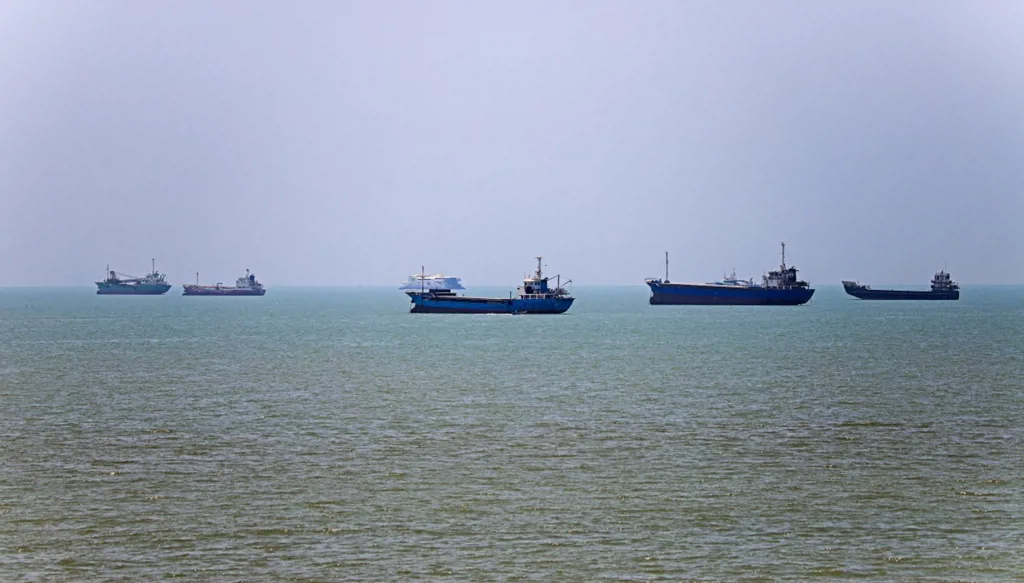


With the announcement of the resumption of technical talks between Washington and Tehran next week, the US President Donald Trump revealed on Wednesday that Iran had informed the United States that it would not impose any fees on ships passing through the Strait of Hormuz.
Trump wrote in a post on social media platforms that Iran had informed the United States that, contrary to what misleading media outlets were reporting as false news, Iran had not requested or collected any fees, insurance costs, or any other type of charges from ships passing through the Strait of Hormuz.
He added that if this information turned out to be incorrect, negotiations would end immediately.
In addition, in an interview with Fox News, Trump noted that Tehran had agreed to allow nuclear inspectors into its territory but said there is no urgency regarding their arrival in Iran. He added that US inspectors would join the International Atomic Energy Agency to inspect Iranian nuclear sites.

The Strait of Hormuz…
A spokesperson for the United Nations International Maritime Organization announced that ships have already begun crossing the Strait of Hormuz as part of a new vessel departure plan recently launched by the organization.
He added that ships have already started crossing as part of the plan, but declined to provide any details about the vessels that have passed through the strait.
Ship tracking data from London Stock Exchange Group showed that at least two dry bulk cargo vessels and one cargo ship crossed the Strait of Hormuz as part of the plan over the past 12 hours.
Data from the London Stock Exchange Group and MarineTraffic, based on analysis by Reuters of ship movements, indicate that at least 35 other commercial vessels, mostly dry bulk carriers, cargo ships, and container ships, are preparing to sail through the strait.
The International Maritime Organization stated on Tuesday that the plan, which took several months to approve, will allow hundreds of ships carrying around 11,000 stranded seafarers in the Gulf to pass through the Strait of Hormuz.