

Iraq's Central Bank Governor Faces Economic Challenges



 Messenger
 Whatsapp
 Threads
 Email
Email
 Print
Print
 X
X
 Facebook
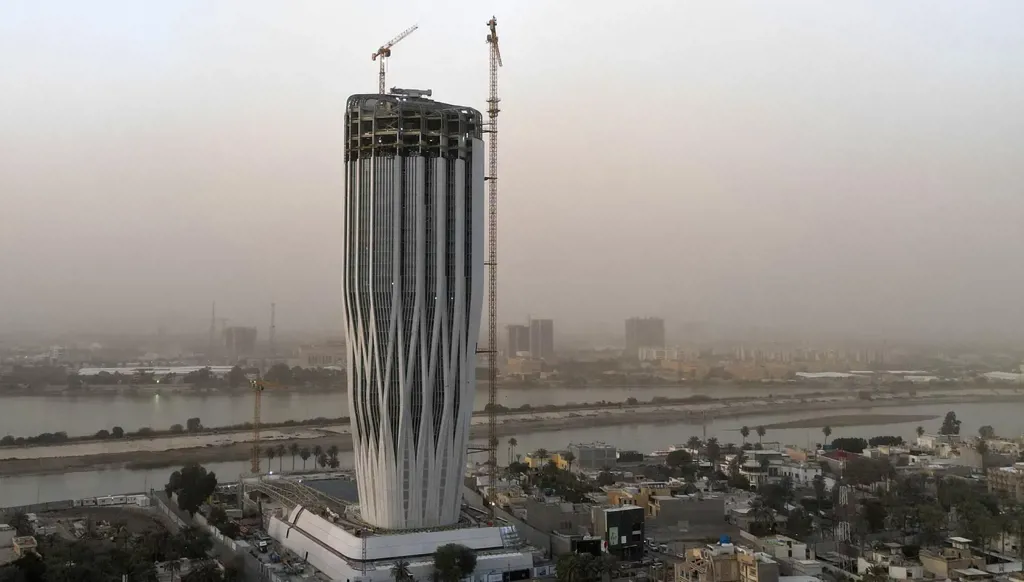


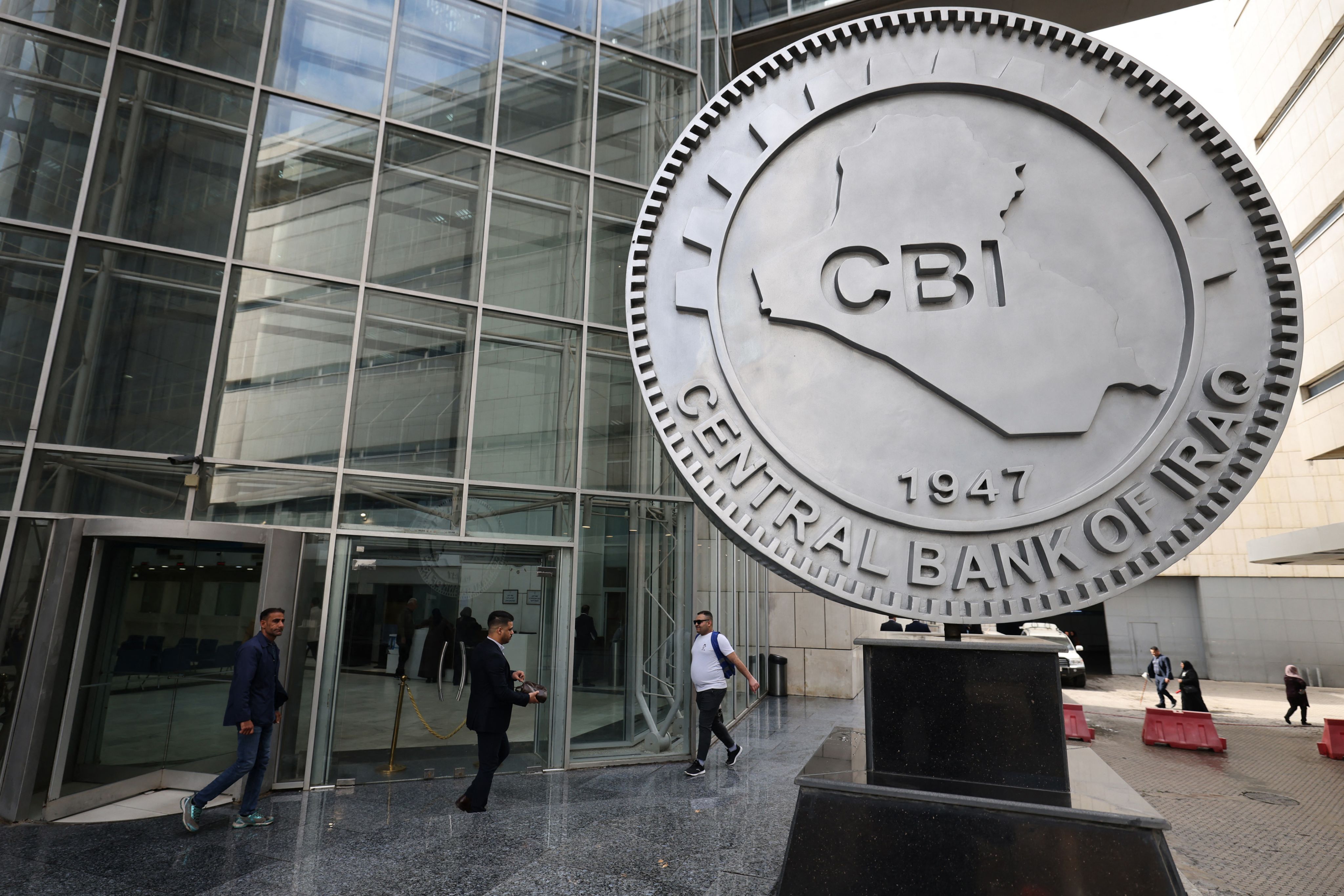
International Economics Professor Nawar Al-Saadi told Annahar that the challenges facing the new Governor of the Central Bank of Iraq extend beyond managing monetary policy or maintaining exchange rate stability, to leading a complex phase of financial and banking reform in which domestic challenges are deeply intertwined with international demands.
Al-Saadi noted that Iraq is now facing a significant responsibility following its placement on the Financial Action Task Force (FATF) grey list, making the fight against money laundering and terrorism financing a national and economic priority rather than merely a regulatory obligation. In this context, he suggested that appointing someone with direct experience in leading the Office for Combating Money Laundering and Terrorism Financing could represent a key advantage for the Central Bank in the upcoming phase.
He added, “I believe the new governor has a detailed understanding of the weaknesses identified by international institutions in Iraq’s financial system, which enables him to accelerate compliance procedures and strengthen oversight over financial transfers, the banking sector, as well as exchange houses and electronic payment companies, thereby helping restore international confidence in Iraq’s financial system.”
He continued, “His success will not be measured solely by international compliance, but also by his ability to strike a precise balance between monetary stability and supporting economic activity, completing banking sector reform, expanding financial inclusion, advancing digital transformation, and reducing reliance on cash, which still represents a major challenge for the Iraqi economy.”
Al-Saadi confirmed that, “the new governor has a historic opportunity to turn the current challenges into a launchpad for deeper reforms, but this requires institutional independence, high-level coordination with the government and the banking sector, and a clear vision that positions the Central Bank as a leader in financial reform, not merely an institution managing monetary policy. If successful in this path, Iraq will not only exit the grey list in the future but also strengthen its ability to attract investment, reduce financial transaction costs, and increase trust in the national economy.”
Ultimately, the position of the new governor is viewed not merely as a technical role, but as a central position in managing one of the most sensitive files in the Iraqi state, where politics and the economy intersect, and where the success or failure of monetary policy serves as a direct indicator of financial stability trends in the coming phase.
Economic affairs expert Haidar Al-Sheikh told Annahar that “there are numerous technical and administrative challenges awaiting the new Central Bank governor, including rising domestic debt, the banking crisis, the dollar exchange rate, and Iraq’s placement on the grey list.”
Al-Sheikh confirmed that the new governor, Nizar Nasser, who previously served as Director of the Office for Combating Money Laundering and Terrorism Financing, is well acquainted with Iraq’s economic conditions and financial crisis, particularly issues related to dollar smuggling and money laundering.
He added that the new governor faces a serious challenge in addressing the continued rise in domestic debt, which has exceeded 95 trillion dinars (approximately $72.5 billion), as well as the issue of the dollar exchange rate against the Iraqi dinar in the parallel market, where the gap between the market rate and the official rate reaches about 26,000 dinars (approximately $20).