

US-Iran talks to resume next week as disputes over Hormuz and nuclear inspections persist
Despite signing a memorandum aimed at ending regional conflict, Washington and Tehran remain sharply divided over transit fees in the Strait of Hormuz, Iran’s missile program, nuclear inspections, and the fate of enriched uranium stockpiles, setting the stage for another critical round of negotiations.



 Messenger
 Whatsapp
 Threads
 Email
Email
 Print
Print
 X
X
 Facebook
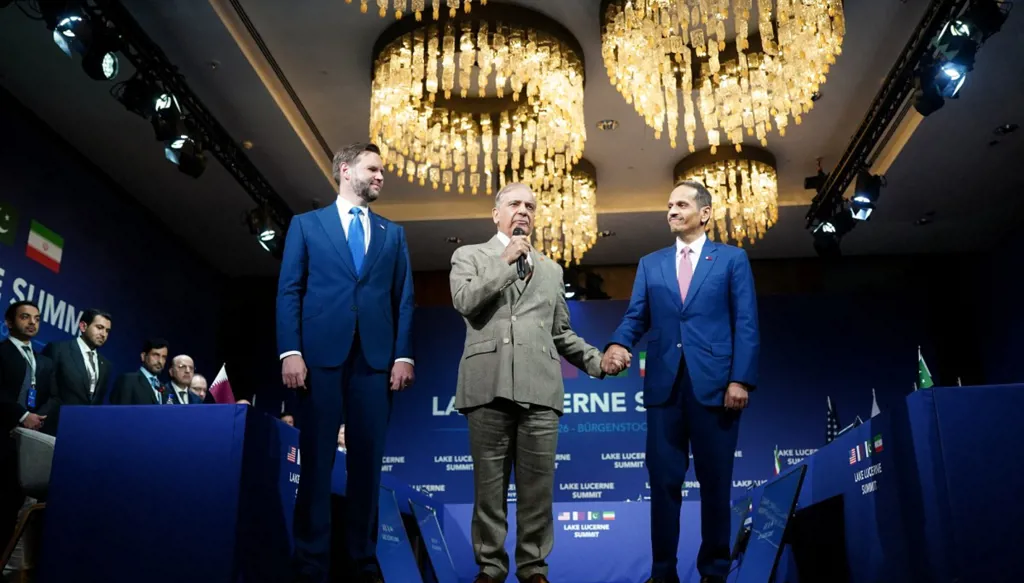


The United States and Iran are set to resume technical talks next week following the signing of a memorandum of understanding aimed at ending the war in the Middle East, according to Pakistan’s Ministry of Foreign Affairs.
Spokesperson Tahir Andarabi said the talks will resume next week, without confirming the exact location. The timing has not been finalized, though Tuesday is suggested, with Monday or Wednesday also possible.
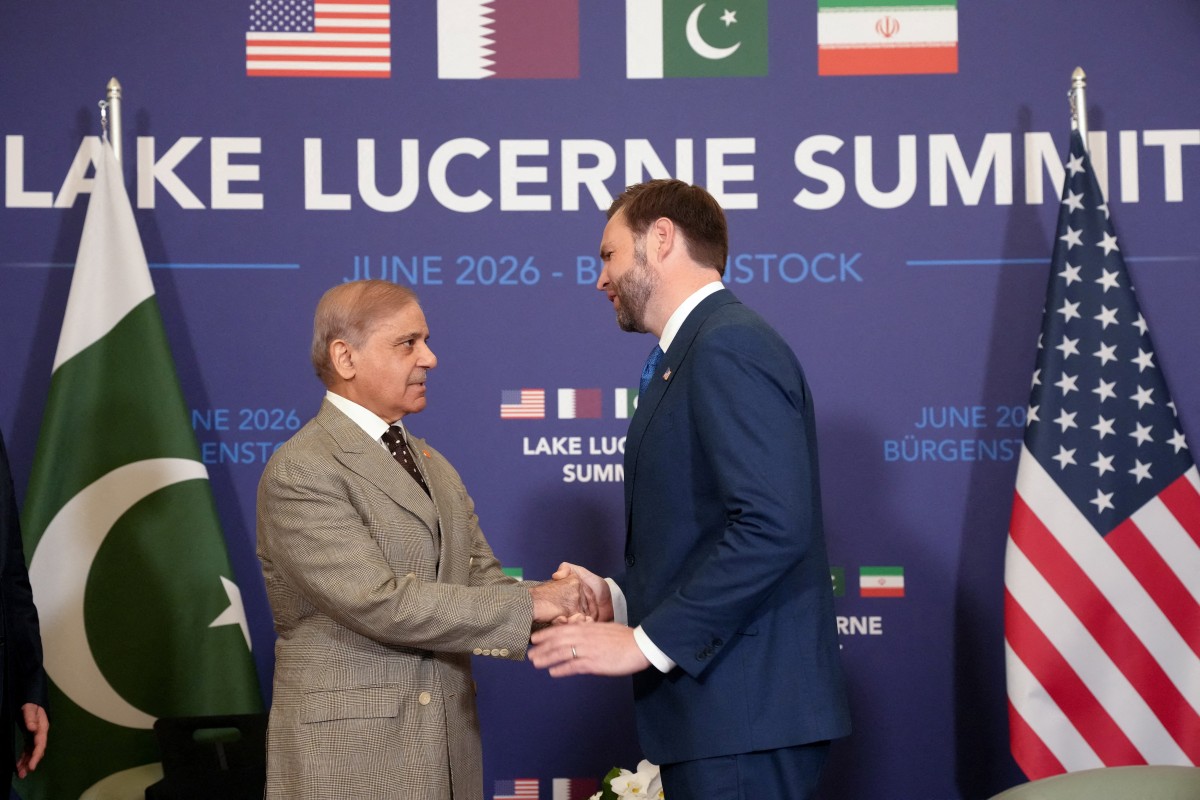
Ghalibaf
Iran’s chief negotiator Mohammad Bagher Ghalibaf said the memorandum signed in Islamabad is “an announcement of America’s defeat.” Speaking at a conference in Azerbaijan broadcast by Iranian state television, he said the agreement was not the result of pressure or coercion, but of what he described as the “courageous resistance and determination of the Iranian nation.” He added that Middle Eastern countries should take responsibility for regional security, and stressed that stopping the war in Lebanon is as important as stopping the war with Iran.
The two sides had held lengthy talks on Sunday in Switzerland, initially led by political delegations and later continued by technical teams. The memorandum signed last Wednesday calls for negotiations to reach a final agreement within 60 days, with the possibility of extension.
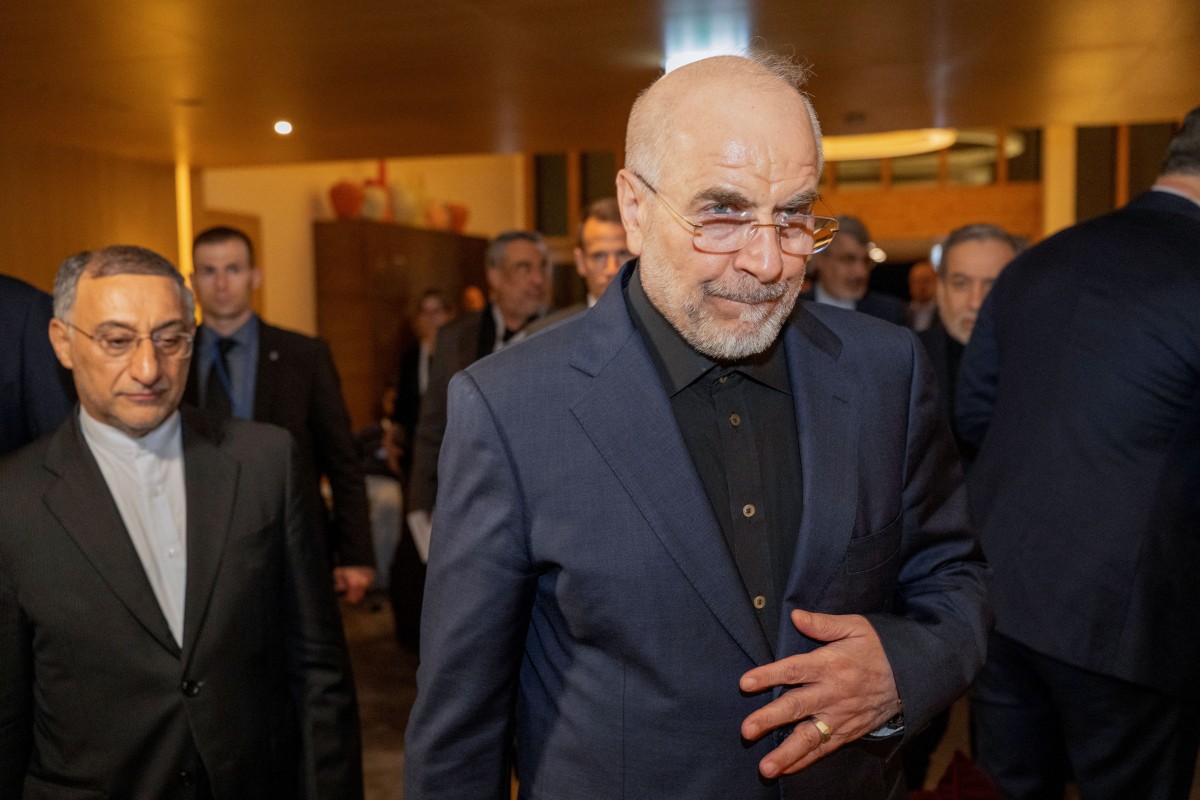
Divergence in American and Iranian Positions on the Strait of Hormuz and the Nuclear Issue
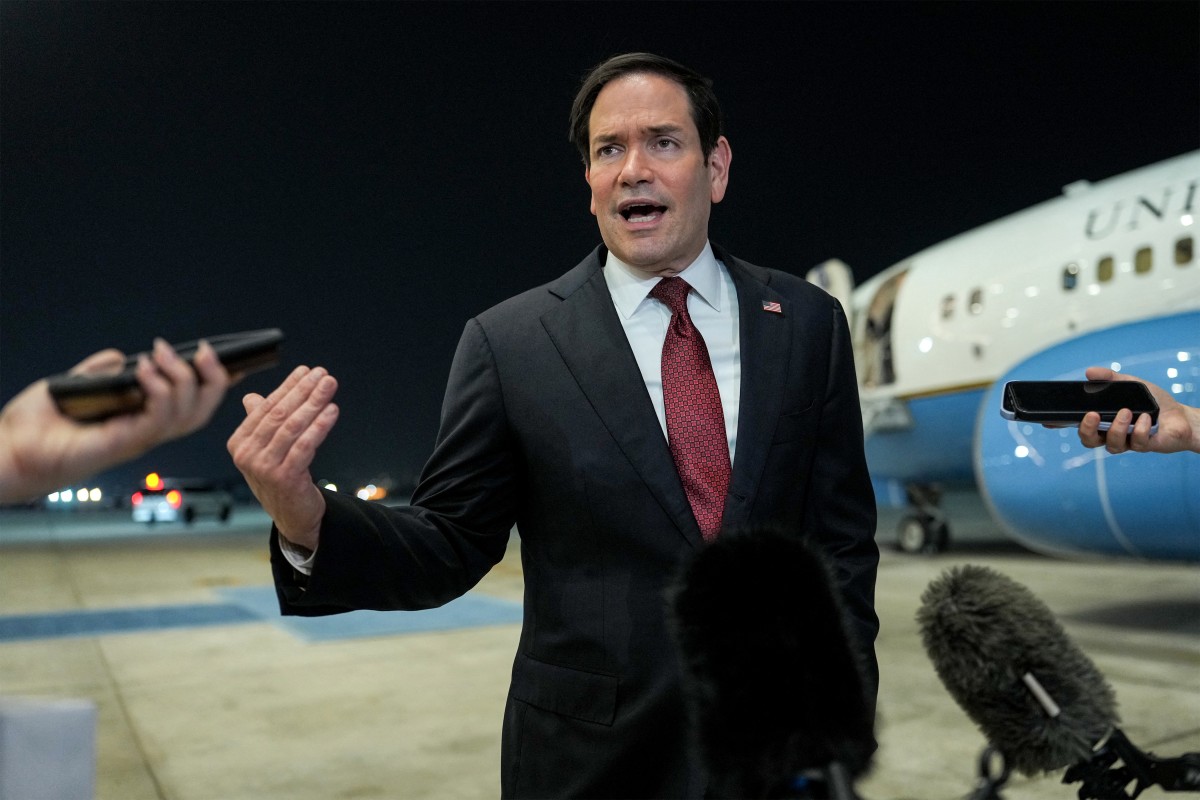
In this context, US Secretary of State Marco Rubio reiterated on Tuesday Washington’s rejection of Iran imposing any tolls or transit fees in the Strait of Hormuz, which is one of the points of contention in the ongoing negotiations between the two countries, alongside Tehran’s nuclear program and the conditions for the release of frozen Iranian assets.
Regarding maritime traffic in the strategic waterway, the International Maritime Organization announced on Tuesday the evacuation of more than 11,000 sailors stranded in the Gulf due to Iran’s closure of the Strait of Hormuz at the outbreak of the war.
Rubio told reporters shortly after arriving in Abu Dhabi at the start of a Gulf tour that includes the UAE, Bahrain, and Kuwait, that “no country is allowed to impose tolls or transit fees on an international waterway.”
Separately, Iranian President Masoud Pezeshkian said during a visit to Pakistan that Iran would have been “destroyed like Gaza” during the war if it did not possess missiles, reiterating that Iran’s ballistic program is non-negotiable.
On the nuclear issue, Iran said it will not allow the International Atomic Energy Agency to inspect sites bombed by Israel and the United States during the recent war and the war of June 2025. However, US President Donald Trump claimed on “Truth Social” that Iran had fully agreed to the highest-level nuclear inspections “to infinity.”