

Onager Foal Born in Saudi Arabia's Royal Reserve



 Messenger
 Whatsapp
 Threads
 Email
Email
 Print
Print
 X
X
 Facebook
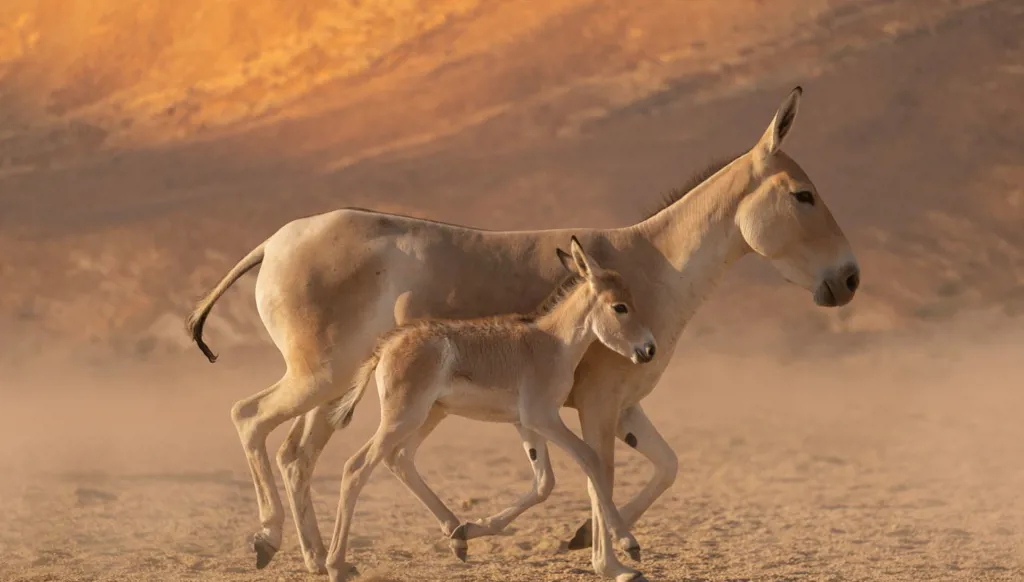


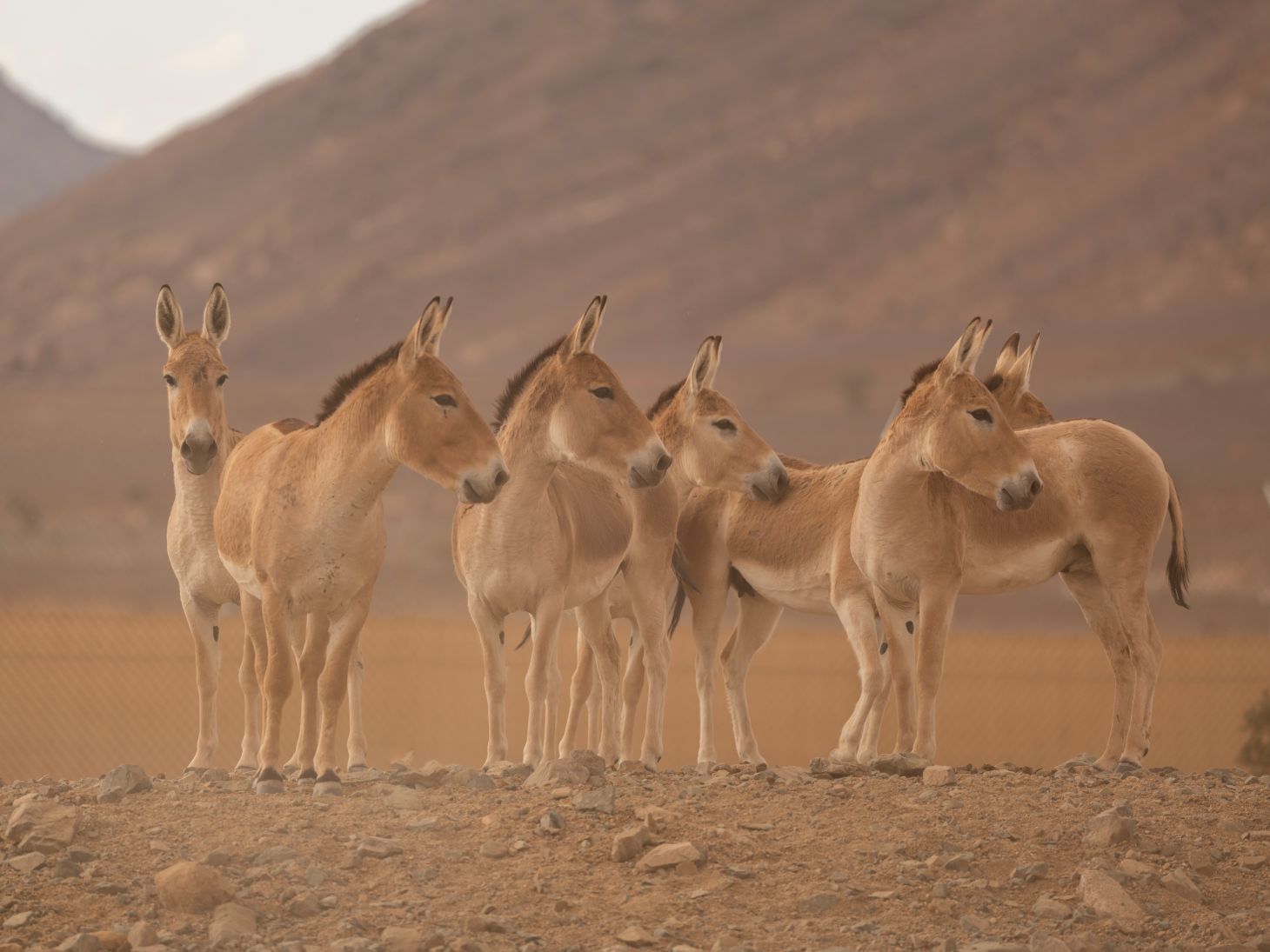
After more than a century of absence, the onager has returned to the Arabian Peninsula, not through historical records or ancient narratives, but with the birth of a foal in the heart of the Prince Mohammed bin Salman Royal Reserve in northwestern Saudi Arabia. This birth marks a significant step in restoring a wild species that once formed part of the region’s natural heritage and identity.
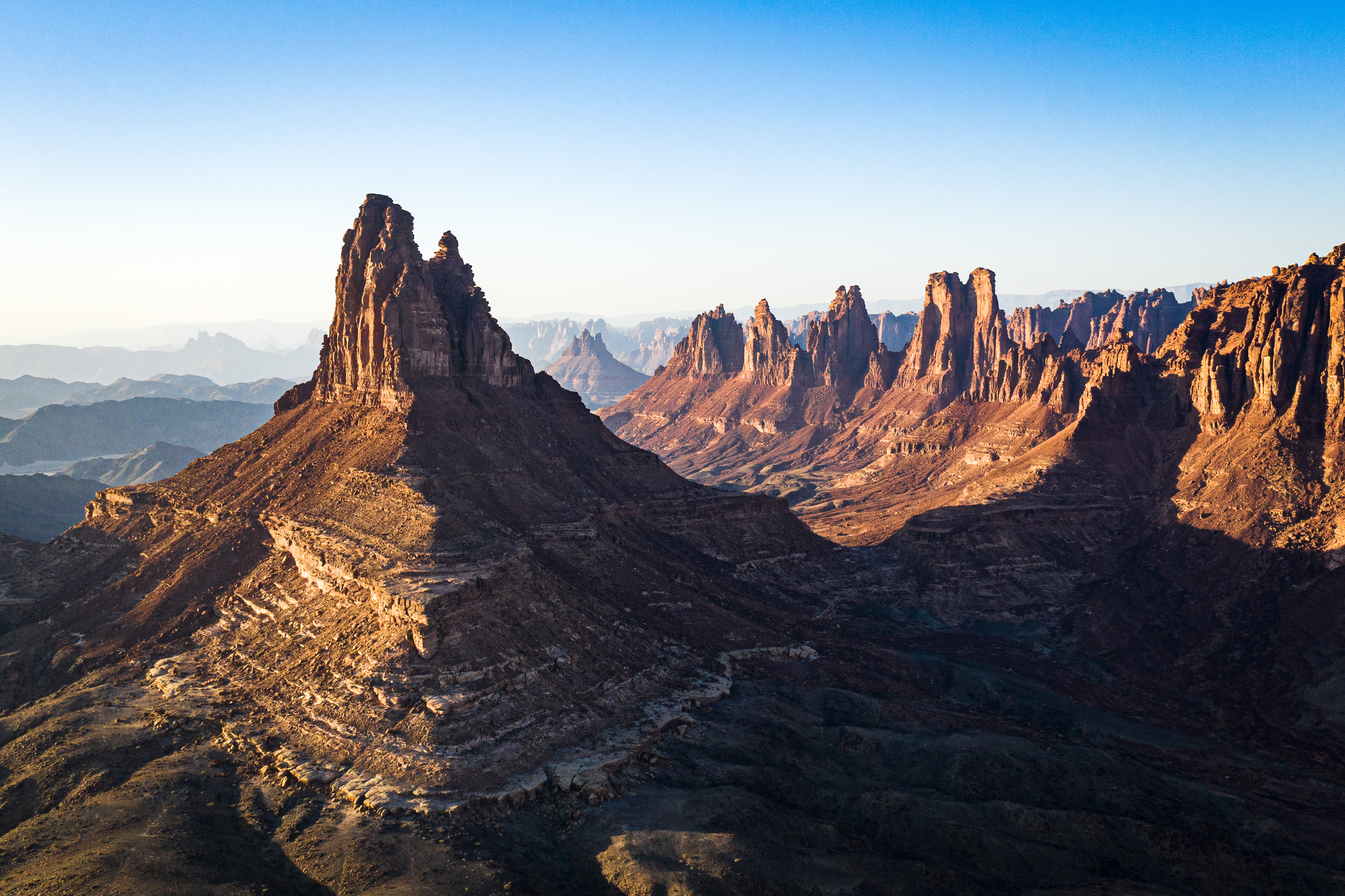
The Prince Mohammed bin Salman Royal Reserve is one of eight royal reserves in the Kingdom of Saudi Arabia, covering an area of 24,500 square kilometers that stretches from volcanic plains to the Red Sea. It forms an ecological corridor linking major development projects such as NEOM, the Red Sea Project, and AlUla, and is also home to notable natural sites including Wadi Al Disah and the AMAALA destination.
Although the reserve covers only 1% of Saudi Arabia’s land area and 1.8% of its marine area, it encompasses 15 major ecosystems and supports more than half of the Kingdom’s recorded terrestrial mammals and bird species, making it one of the most biodiverse protected areas in the Middle East.
As part of its vision to restore natural and cultural ecosystems, the reserve is working to reintroduce 23 indigenous species that historically inhabited the region. So far, it has successfully reintroduced 14 species into their original habitats through the “Reviving Arabia” program, including the Arabian oryx, onager, red-necked ostrich, sand gazelle, and mountain gazelle.
The reserve's CEO to 'Annahar': The birth of an onager foal in Saudi Arabia is more than an achievement
In an exclusive interview with Annahar, Andrew Zaloumis, CEO of the Prince Mohammed bin Salman Royal Reserve, said that the birth of the onager marks an exceptional milestone in the Kingdom’s environmental conservation efforts. He stated, “Through the ‘Reviving Arabia’ program, we are bringing back a species that has shaped this natural landscape for thousands of years. The birth of the first onager foal on Saudi soil in over a century is more than just an achievement in nature conservation.”
Challenges of Survival and Recovery
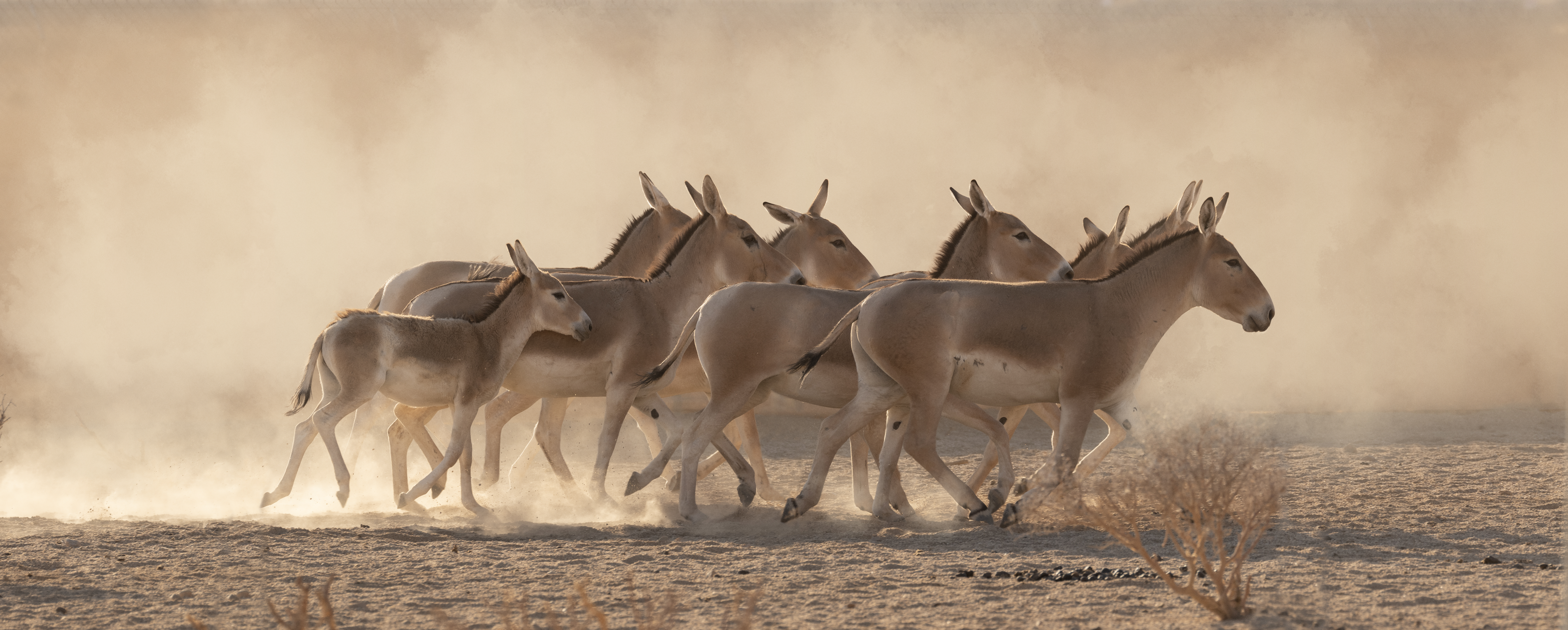
However, the birth of the foal is not the end of the journey, but rather the beginning of a new challenge: ensuring the survival of the species and its continued presence in its historical habitat.
Facing these challenges, Saudi Arabia has expanded its network of protected areas in an unprecedented way, increasing protected land from 4.5% in 2018 to 18% today, while marine protected areas have grown from 2.5% to 16%. These efforts support the national goal of protecting 30% of both land and sea by 2030.
Natural Treasures Beyond the Onager
The reserve’s role goes beyond protecting the onager alone, as it provides a habitat for a wide range of rare and endangered species. Studies have documented the presence of the Arabian wolf, striped hyena, and rare birds of prey, including the black vulture, griffon vulture, and Egyptian vulture.
In the waters of the Red Sea, dugongs and hawksbill turtles find a safe haven for feeding and nesting, while the scientific research team has successfully discovered five species new to science, including two reptile species and three plant species, according to Zaloumis.
At the heart of this ecological system, Wadi Al Disah stands out as a tentative UNESCO World Heritage site, where rare eastern orchid species and ancient juniper trees thrive, some of which are over 400 years old.