

Harouf and Jibchit in ruins after 140+ strikes as southern Lebanon begins recovery efforts
Municipalities in Nabatieh face massive destruction and mounting casualties as they struggle to restore basic services and enable residents’ return amid fragile ceasefire hopes.



 Messenger
 Whatsapp
 Threads
 Email
Email
 Print
Print
 X
X
 Facebook
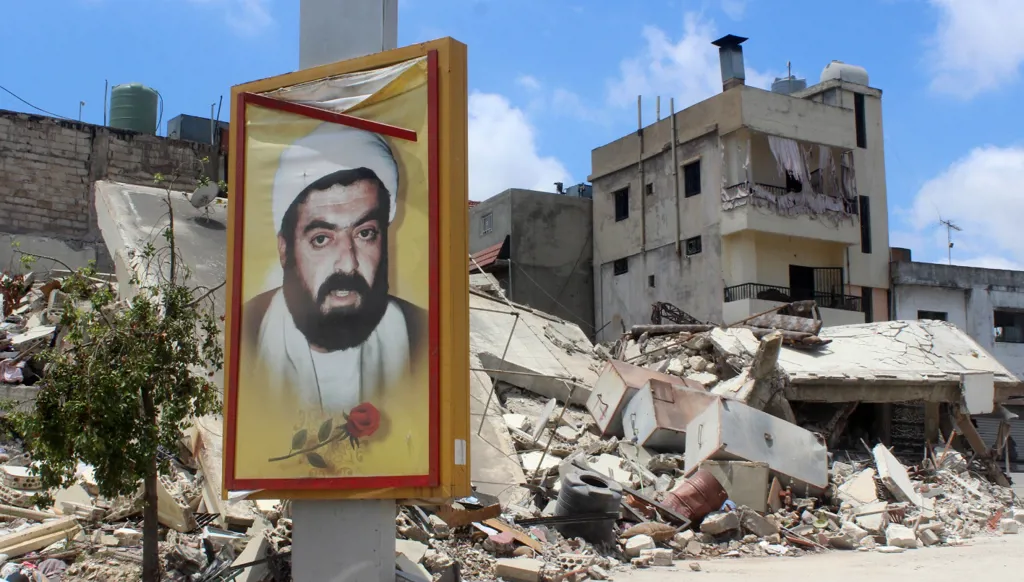


The destruction and devastation scenes across the villages of Nabatieh district, about 42 villages, are strikingly similar, resulting from Israeli airstrikes and continuous artillery shelling since the start of the war on Lebanon, particularly in the south, the Bekaa, and Beirut’s southern suburbs.
However, the village of Jibchit stands out from other towns in the district—and possibly across the South and Nabatieh governorates—in terms of casualties since March 2, which have reached around 130 people. The dead include civilians killed under the rubble of their homes in Jibchit, others in displacement areas such as Joun (Iqleem Al-Kharroub) and Saksakiyeh in the Zahrani area (Saida district), as well as Hezbollah fighters on frontline positions with Israeli forces in the south. In a previous investigation by Annahar on the first day of a ten-day truce that Israel did not adhere to, the toll was estimated at around 100 victims.
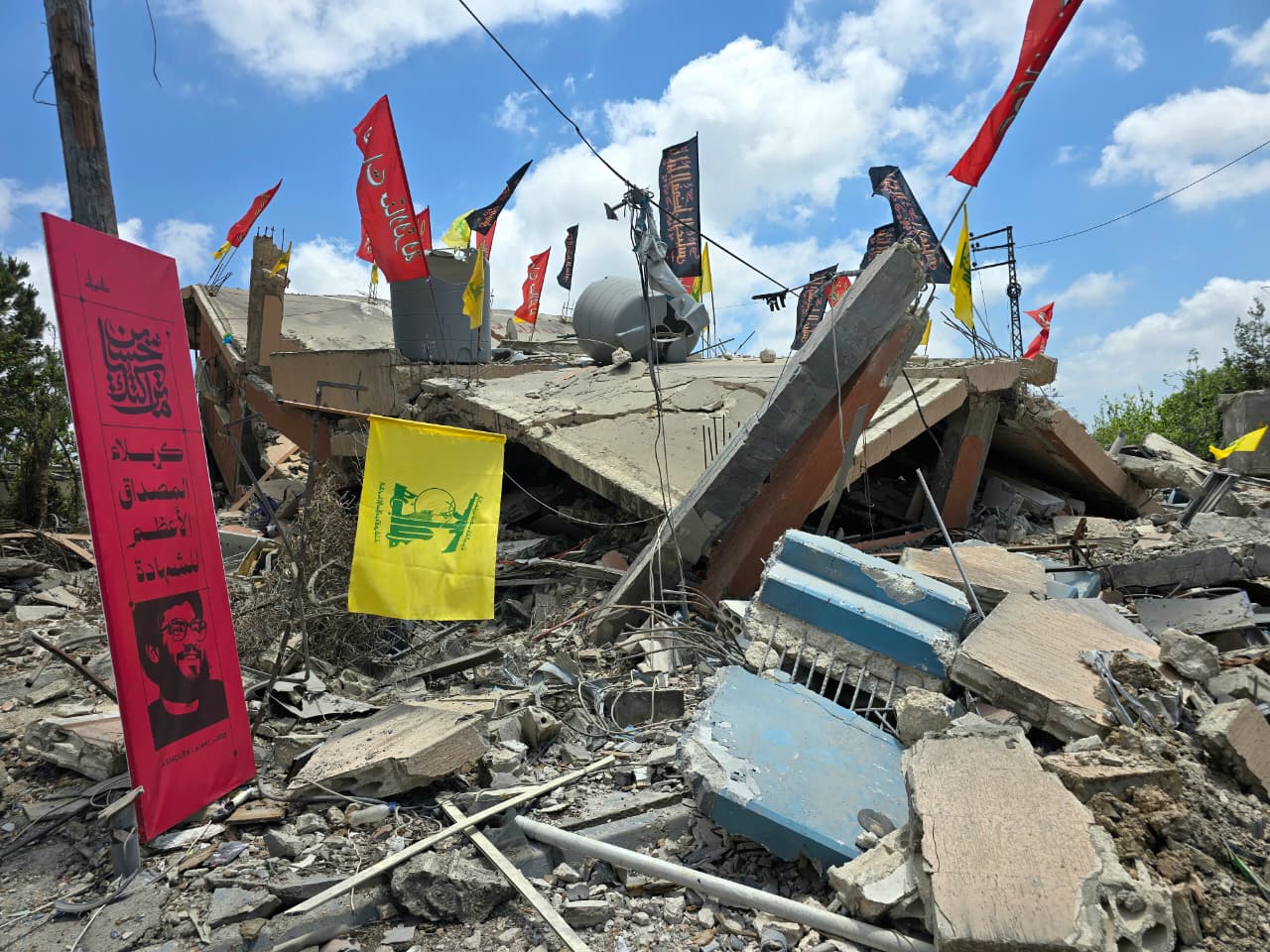
Jibchit, Harouf, Zebdine, Doueir, and Sharqia
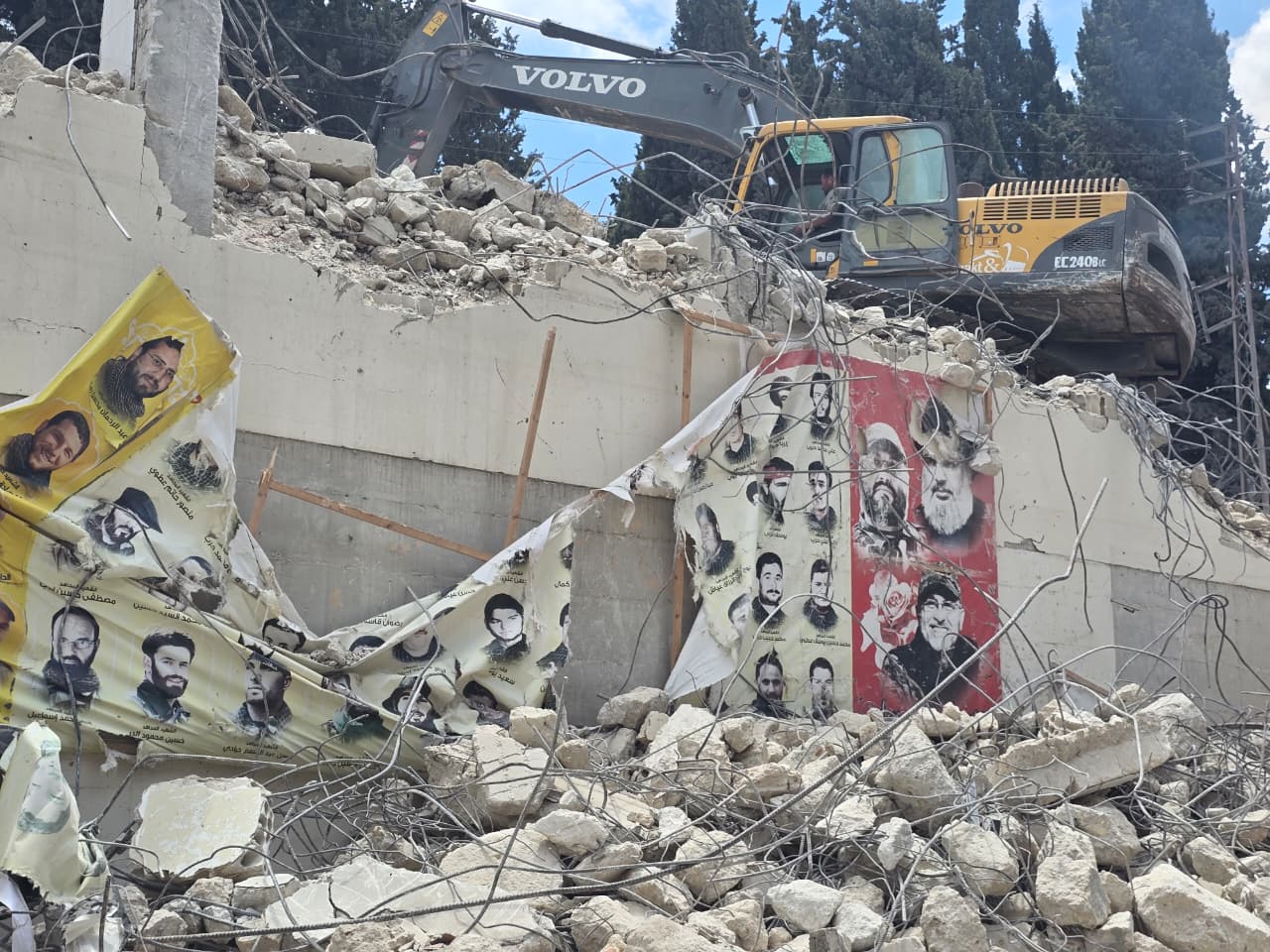
In a new field tour by Annahar in Jibchit and neighboring villages—Harouf, Zebdine, Doueir, and Sharqia—it was clear that destruction had intensified due to heavy Israeli bombardment targeting residential buildings, homes, shops, and commercial, industrial, and agricultural facilities, as well as electricity, water, and telephone networks, in addition to health and educational centers, mosques, and husseiniyas, extending even to cemeteries, where graves and tombs were damaged and desecrated.
Return of the displaced is very limited
Return of displaced residents remains very limited due to the extent of destruction, with many homes either destroyed or cracked and uninhabitable, the lack of basic services, and fears of renewed Israeli strikes. Municipalities have begun clearing rubble from roads and public spaces and securing diesel to restart electricity and water generators, which are essential for residents to return.
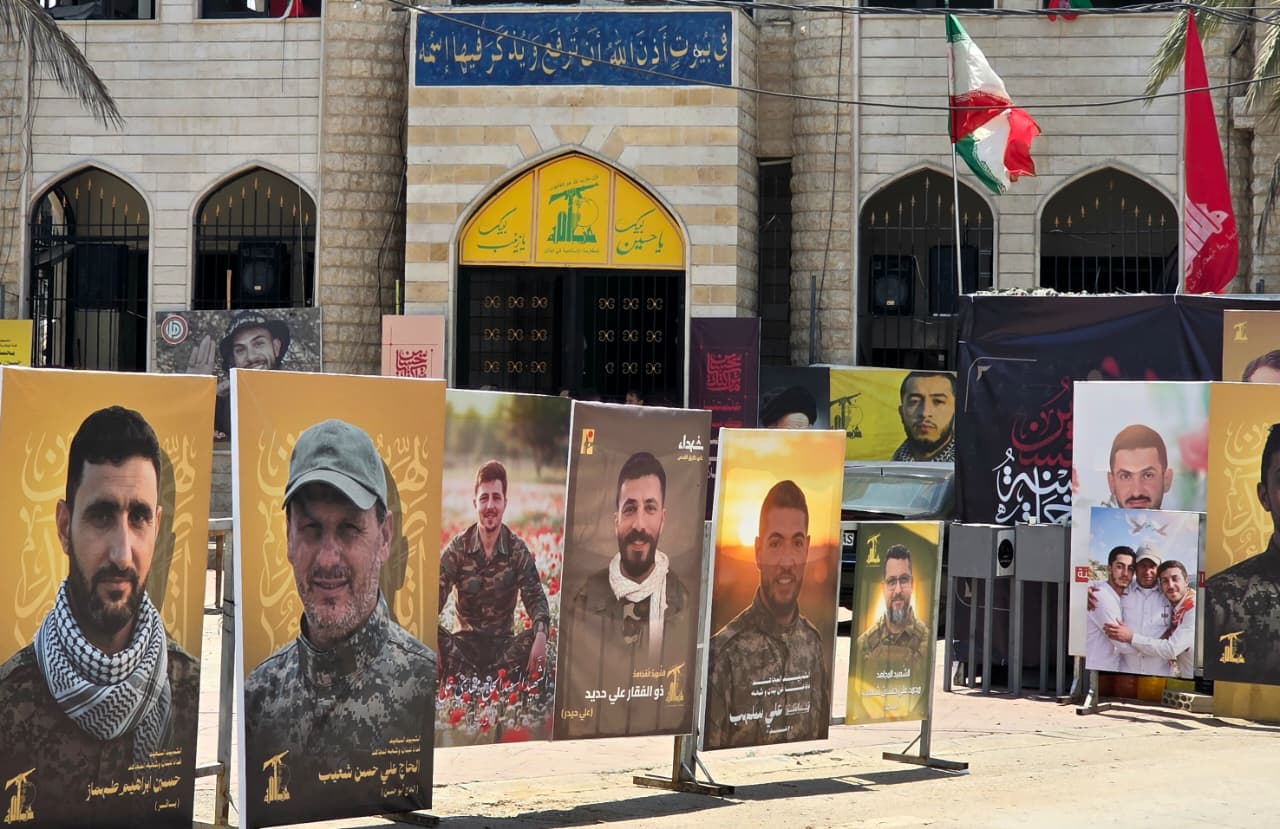
Mayor of Jibchit: "We have between 125 and 130 martyrs"
The Mayor of Jibchit, Hussein Fahs, told Annahar that the town has been among the most heavily targeted in the war, with between 125 and 130 martyrs recorded. He said Jibchit is the town of prominent religious figures, including Sheikh Ragheb Harb and Sheikh Abdul Karim Obeid, as well as martyrs such as Bilal Fahs and Hisham Fahs. He added that the Israeli strikes targeted not only infrastructure but also places of worship, the civil defense center affiliated with the Islamic Health Authority, residential buildings, commercial shops, and even cemeteries.
We have begun working to remove the effects of aggression
He said municipal teams have begun removing rubble, reopening roads, and restoring electricity and water services to enable residents to return and live with dignity. He also thanked supporting efforts to clear the aftermath of the destruction, particularly the South Council, and expressed hope that the ceasefire would remain stable and that Israeli forces would withdraw to the international borders with the occupied Palestinian territories.
140 Attacks on Harouf Town