

As U.S.-Iran Talks Advance, Netanyahu Finds Himself Sidelined
As Washington seeks to contain the fallout from regional conflicts and salvage its global standing, Benjamin Netanyahu is increasingly viewed not as an asset, but as a political liability.



 Messenger
 Whatsapp
 Threads
 Email
Email
 Print
Print
 X
X
 Facebook
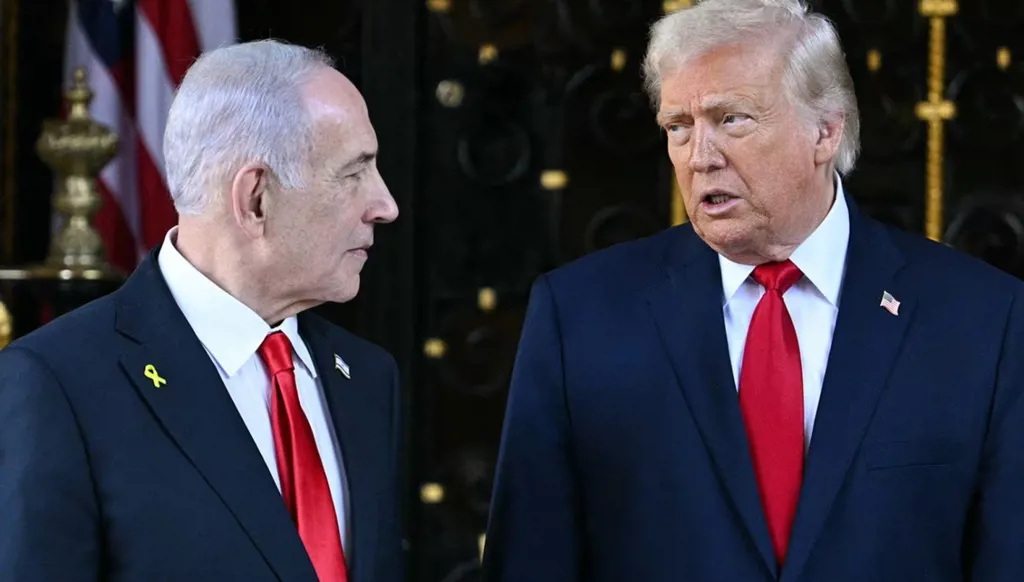


Vance Raises the Stakes While Trump Rebukes His Ally
The recent “advice” that J.D. Vance directed at Israel was not merely unprecedented; it bordered on an insult to what is often seen as a dependent ally. He stated that Trump is currently Israel’s only ally in the world, that two thirds of Israel’s weapons are manufactured and financed by American taxpayers, and, most strikingly, that not every criticism of Israel constitutes antisemitism. This is a notion that Republicans, pro-Israel lobbying groups, and their allies at all levels have spent recent years working hard to suppress.
Before Vance’s remarks and since then, Trump has continued to criticize Benjamin Netanyahu and Israel’s war in Lebanon, even making the unusual gesture of acknowledging Lebanese civilians who have fallen victim to Israeli attacks.
“Without me, there would be no Israel.” Had any American president other than Trump made such a statement, whether Republican or Democrat, they would likely have faced fierce backlash. Trump delivered it as casually as a morning greeting to a neighbor. Like a school principal reprimanding a once favored elementary school student, he said that “Bibi” needs to act more responsibly and that his own role is to keep “Bibi” somewhat rational, meaning to restrain him. The implication was clear: Trump gives the orders, and the Israelis carry them out.
An unprecedentedly explicit display of the United States’ patronizing attitude toward an ally that has no alternative patron.
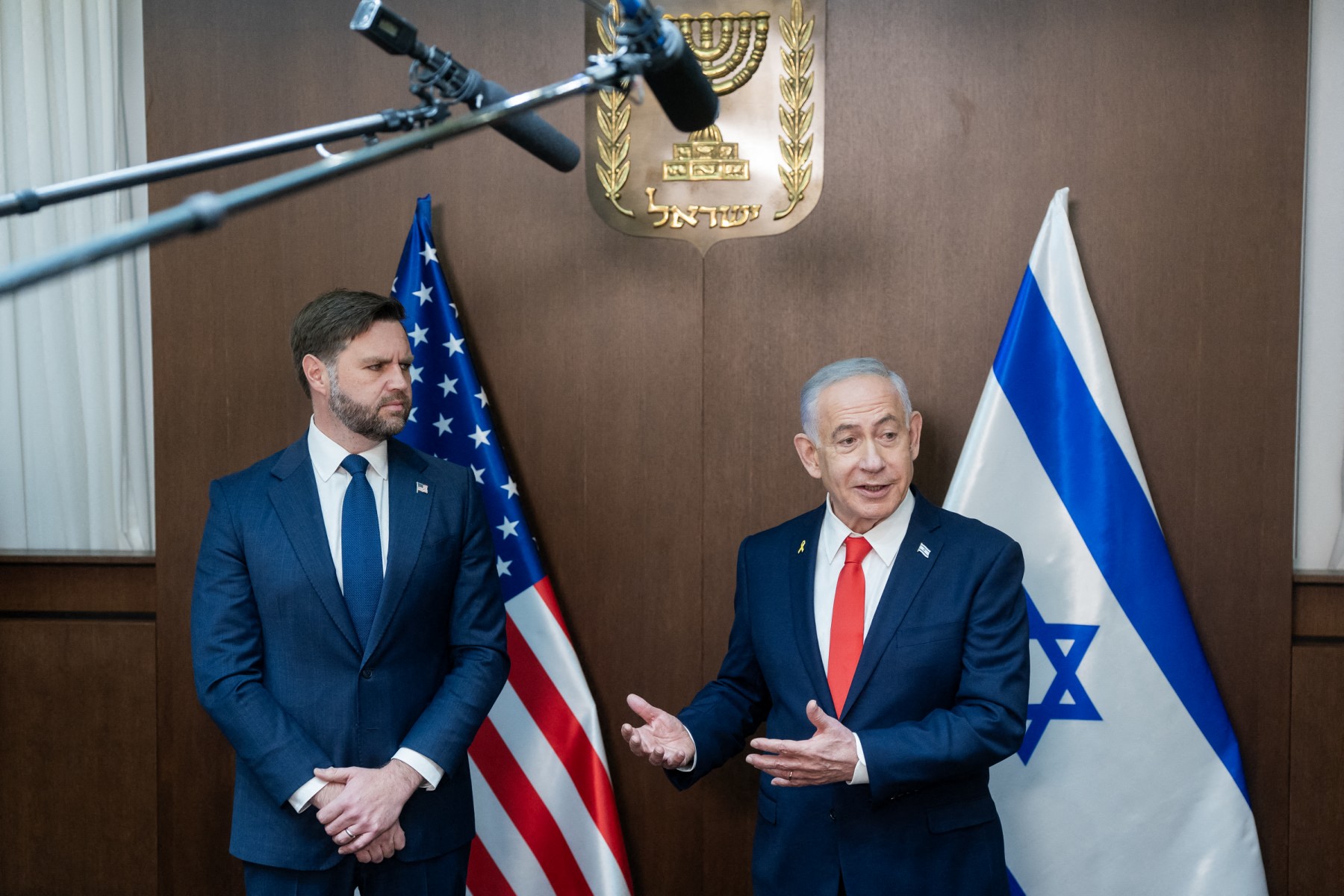
When an Ally Becomes a Liability
The bitter pill Netanyahu is now being forced to swallow has been taken by many US allies before him, most notably Ukrainian President Volodymyr Zelenskyy. Trump and his administration do not deal with anyone as an equal, not even with “Bibi,” for whom the administration has invested significant political and defensive resources. It has even fought a war on Israel’s behalf despite having little need for such a conflict in a crucial midterm election year, emerging from it with substantial political costs and growing anxiety about the uncertainty that lies ahead in the coming months.
The Americans are now playing in injury time, trying as best they can to salvage their global standing. Europe has disappointed them, effectively signaling that concerns for its own security and economy will push it to seek solutions outside the American umbrella, and that persuasion, threats, and intimidation are unlikely to have much effect on an entire continent.
In Israel’s case, however, the situation is different. “Bibi” himself will not be around forever. In fact, he may not survive politically beyond the next election. He is no longer seen as a useful player. Rather, his continued presence on the field is now causing more harm than benefit to the American team.
“Take a seat on the bench, Bibi,” Trump is effectively telling him. “Do not come back onto the field unless I call you. That is, if I ever call you at all.