

Lebanon-Israel Negotiations: Pilot Zones & Ceasefire Talks
Fifth round of Lebanon–Israel talks opens in Washington with focus on pilot zones, ceasefire consolidation, and military–political coordination



 Messenger
 Whatsapp
 Threads
 Email
Email
 Print
Print
 X
X
 Facebook
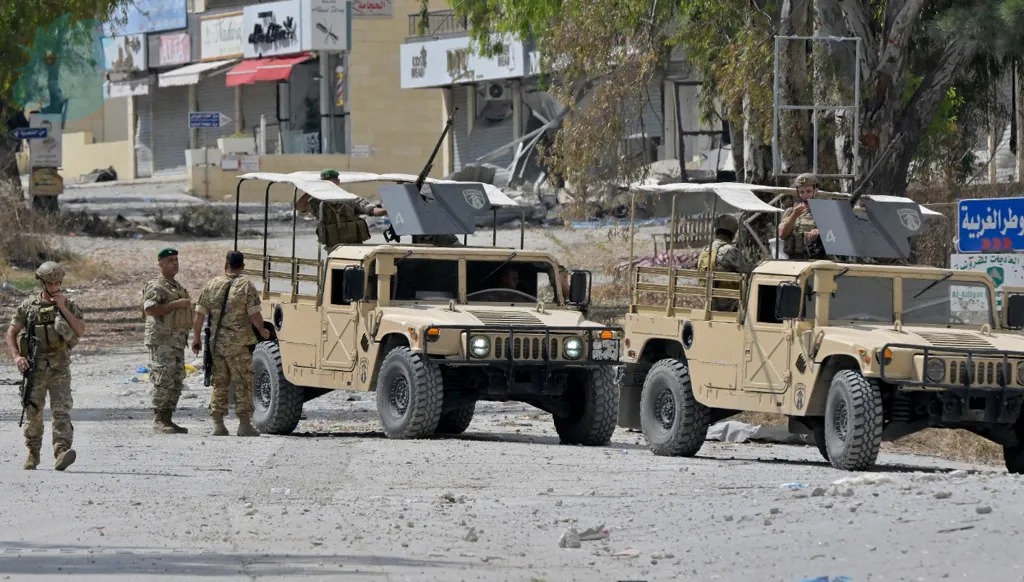

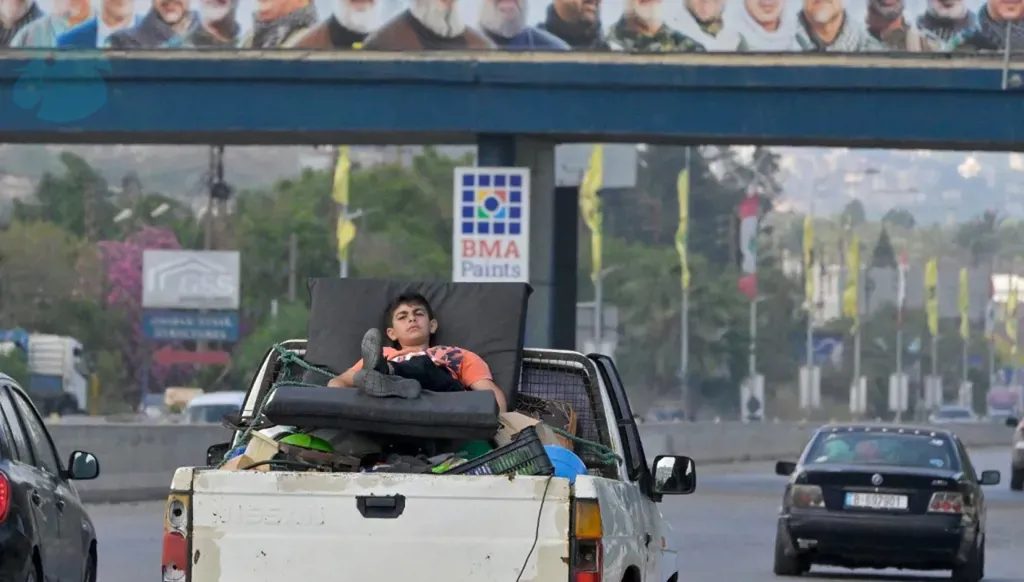


A fifth round of direct negotiations between Israel and Lebanon has begun. The talks are being held over three days in the US capital, Washington, as part of security and political tracks.
The negotiations are primarily focused on the mechanism for implementing “pilot zones” in southern Lebanon, and on consolidating the ceasefire that was announced under the US–Iran agreement in Switzerland.
Who will attend?
The Lebanese side is represented by two delegations, one security and one political, headed by Ambassador Simon Karam, with the participation of Lebanon’s ambassador to Washington, Nada Mouawad. The Israeli side is led by Ambassador Yechiel Leiter, under the supervision of Prime Minister Benjamin Netanyahu and Defense Minister Israel Katz.
The negotiations are overseen by US Secretary of State Marco Rubio, who is scheduled to undertake a three-day tour of the Gulf.
What will be discussed between Lebanon and Israel in Washington?
According to Israel’s Channel 12, the talks will be held through two separate tracks: a political team and a military team. The political team includes the Israeli ambassador to the United States, along with officials from the National Security Council, and they will hold meetings lasting two days with their counterparts.
The military team includes senior security officials, among them the head of the Strategy Division, Amichai Levin, and acting military attaché Arik Ben-Dov, along with specialized working teams.
An Israeli source reported that the delegation will present maps during the talks to define a “model zone” in Lebanon, located partly south of the Litani River and partly south of the “Yellow Line,” with the Israeli army expected to withdraw from it as part of a field trial framework.
The same source explained to Channel 12 that the Lebanese army would deploy inside this area, while US forces would take on monitoring and supervision. The source said: “We are arriving with several options for different trial areas. The Israeli army will choose a relatively cleared area, while Lebanese representatives will present areas they propose as well.”
Diplomatic Lebanese move
Earlier, the Washington correspondent for Annahar reported that Lebanon’s ambassador to the United States has intensified her diplomatic activity and political contacts in Washington since the announcement of the US–Iran memorandum of understanding, as part of the Lebanese state’s effort, represented by President Joseph Aoun, to ensure Lebanon’s official presence in any discussions, consultations, or agreements related to its future or that may affect its internal situation.
According to informed sources, Ambassador Mouawad emphasized in her meetings with US officials the necessity for the Lebanese state to be a key partner in any process concerning Lebanon, stressing that any approach to Lebanese issues requires direct coordination with President Aoun and respect for Lebanon’s sovereignty and independent national decision-making. The sources added that these efforts have helped strengthen the level of communication and US engagement with President Aoun, reflecting a belief within the US administration that any arrangements or understandings related to Lebanon cannot succeed without direct partnership with the Lebanese state and its constitutional institutions.
In contrast, Israeli Prime Minister Benjamin Netanyahu affirmed that his forces will remain in the “security zone” in southern Lebanon “as long as necessary” to protect residents of the north and Israeli citizens.