Strait of Hormuz sees record shipping activity after US-Iran Deal

Region 23-06-2026 | 15:20

Strait of Hormuz sees record shipping activity after US-Iran Deal

Traffic rebounds sharply following a memorandum of understanding, while Iran signals continued control over the strategic waterway and the US temporarily eases oil sanctions.


Strait of Hormuz sees record shipping activity after US-Iran Deal
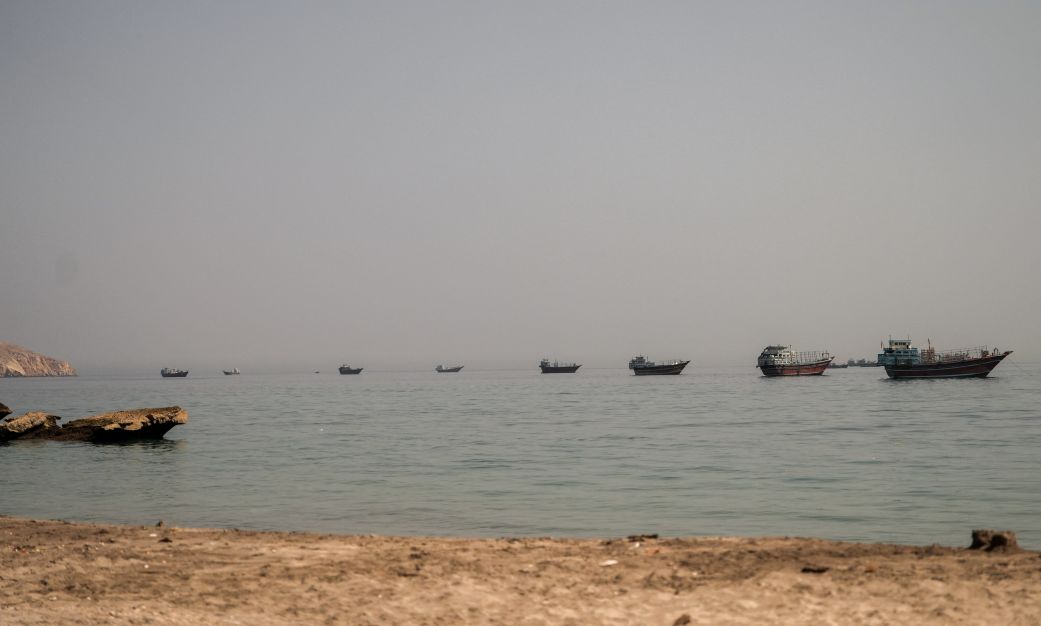
Strait of Hormuz (Archive).
Smaller Bigger


At least 36 cargo ships passed through the Strait of Hormuz on Monday, setting a record for maritime traffic since the beginning of the war in the Middle East, according to data from the Kpler platform, following the signing of a memorandum of understanding between the United States and Iran.


This activity represents about one third of peacetime traffic, which is around 120 ships per day, through the strategic waterway for global trade. The strait is typically crossed by one fifth of the world’s fuel exports, in addition to other essential raw materials.


The Strait of Hormuz was reopened last week after Iran and the United States signed a memorandum of understanding aimed at ending the war in the Middle East.


Strait of Hormuz (Archive).


Before the signing of the memorandum, fewer than ten cargo ships were crossing the strait daily since Iran had effectively closed it on 1 March in response to the US-Israeli war against it.


Since 15 June, the average has risen to 21 ships, reaching 27 ships over the past five days.


On Tuesday, the Iranian official news agency IRNA reported that Iran’s chief negotiator Mohammad Bagher Qalibaf confirmed that conditions in the Strait of Hormuz will not return to what they were before the war, explaining that the waterway will remain under Iran’s “management.”


The United States announced on Monday that it will temporarily lift sanctions on Iranian crude oil production, sales, and deliveries of crude and petroleum products, until 21 August.