

Lebanon–Israel talks in Washington enter fifth round focused on security and political tracks
Negotiations aim to test “experimental zone” mechanisms in southern Lebanon while international actors push to consolidate the ceasefire framework.



 Messenger
 Whatsapp
 Threads
 Email
Email
 Print
Print
 X
X
 Facebook
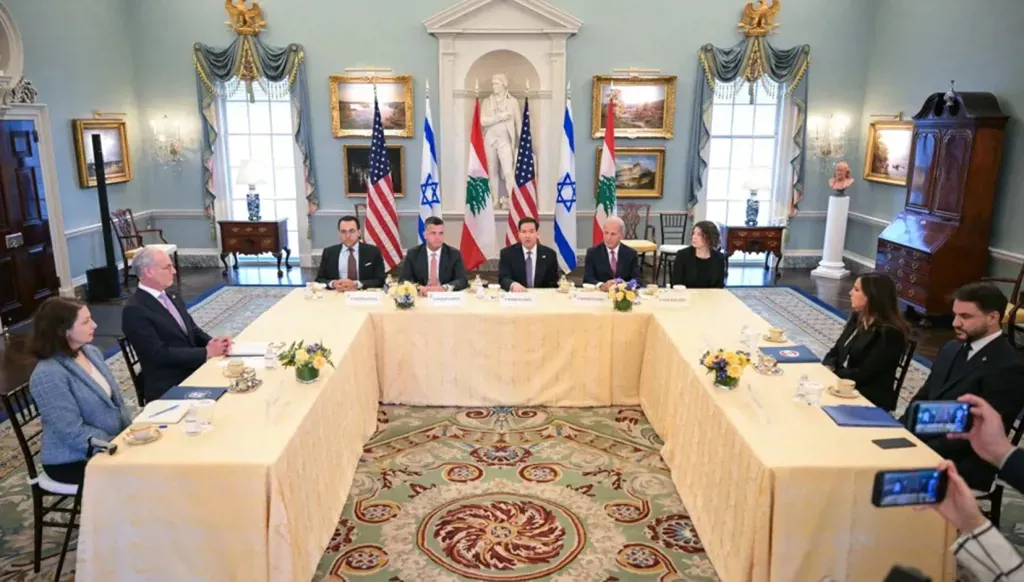
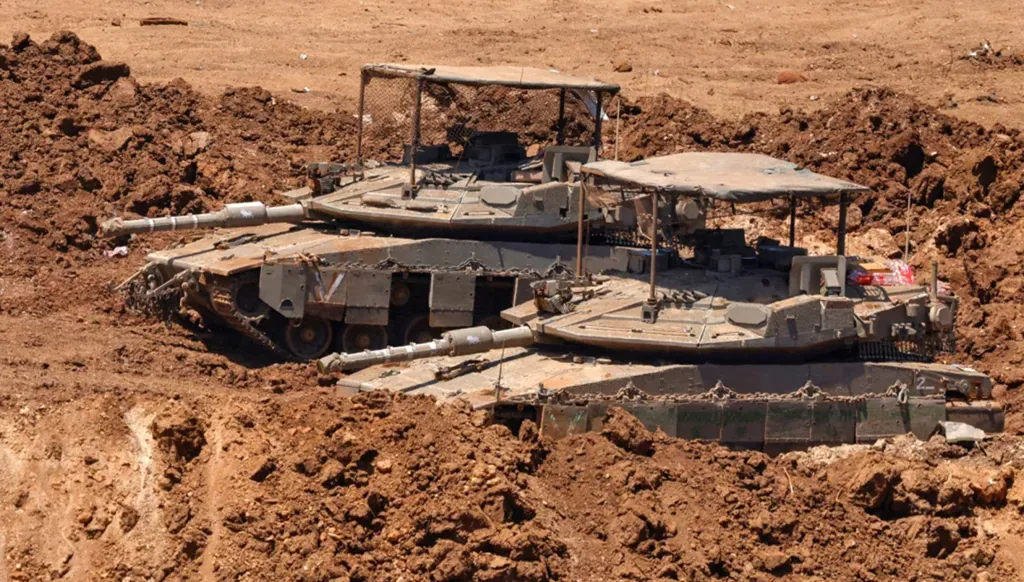
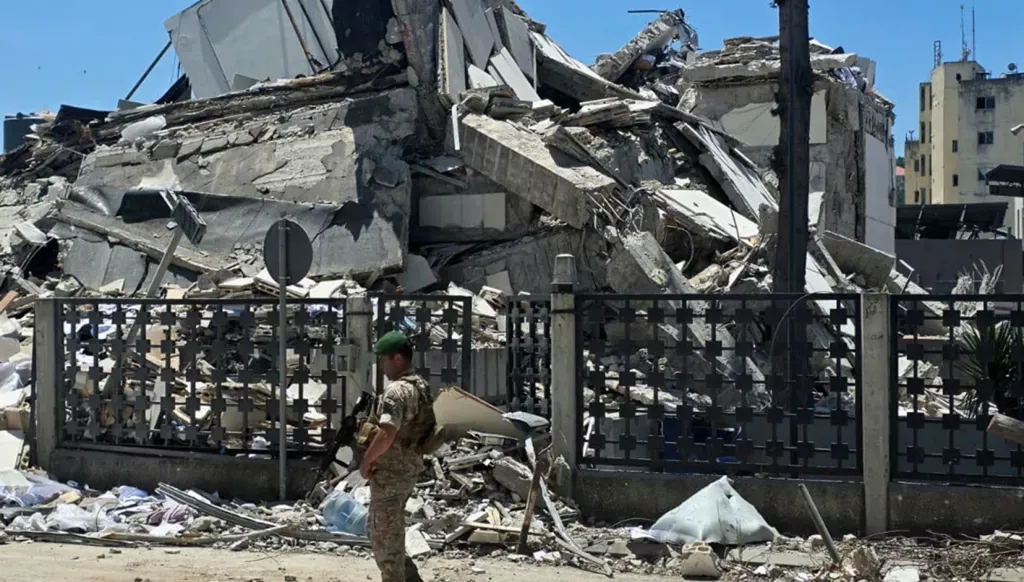


Today, a fifth round of direct negotiations between Israel and Lebanon begins in the US capital, Washington, D.C., through two tracks, security and political, and will last for three days.
The talks mainly focus on the mechanism for implementing “experimental zones” in southern Lebanon, and on consolidating the ceasefire that was announced under the US–Iran agreement in Switzerland.
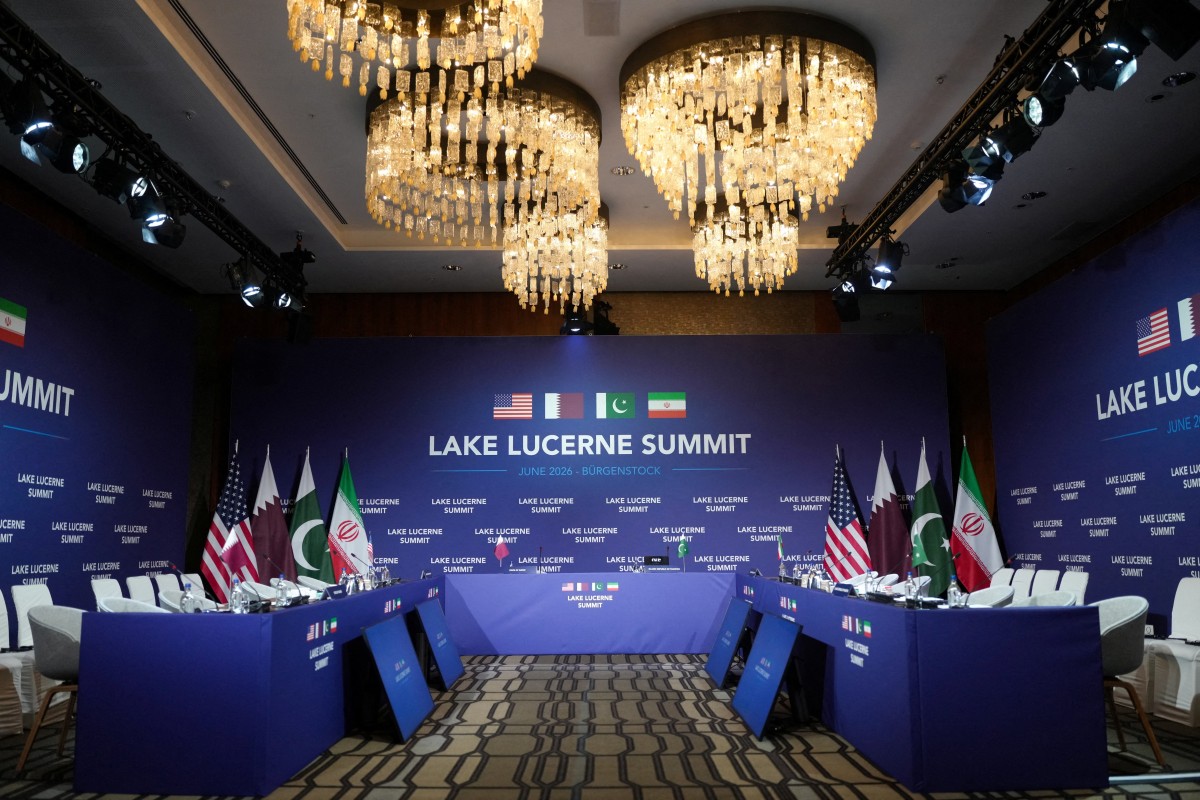
It is expected that the Lebanese side will be represented by two delegations, one security and one political, in the presence of Lebanon’s ambassador to Washington Nada Mouawad, while the Israeli side is headed by ambassador Yechiel Leiter, with follow up from Prime Minister Benjamin Netanyahu and Defense Minister Israel Katz.
The negotiations are also overseen by US Secretary of State Marco Rubio, who is scheduled to conduct a three-day Gulf tour.
What will be discussed between Lebanon and Israel in Washington?
According to Channel 12 Israel, the talks will be held through two separate tracks: a political team and a military team.
The political team includes the Israeli ambassador to the United States Yechiel Leiter along with officials from the National Security Council. They will hold meetings with their counterparts over a period of two days.
The military team includes senior figures from the security establishment, among them the head of strategy Amichai Levin and the acting military attaché Arik Ben Dov, with the participation of specialized working teams.
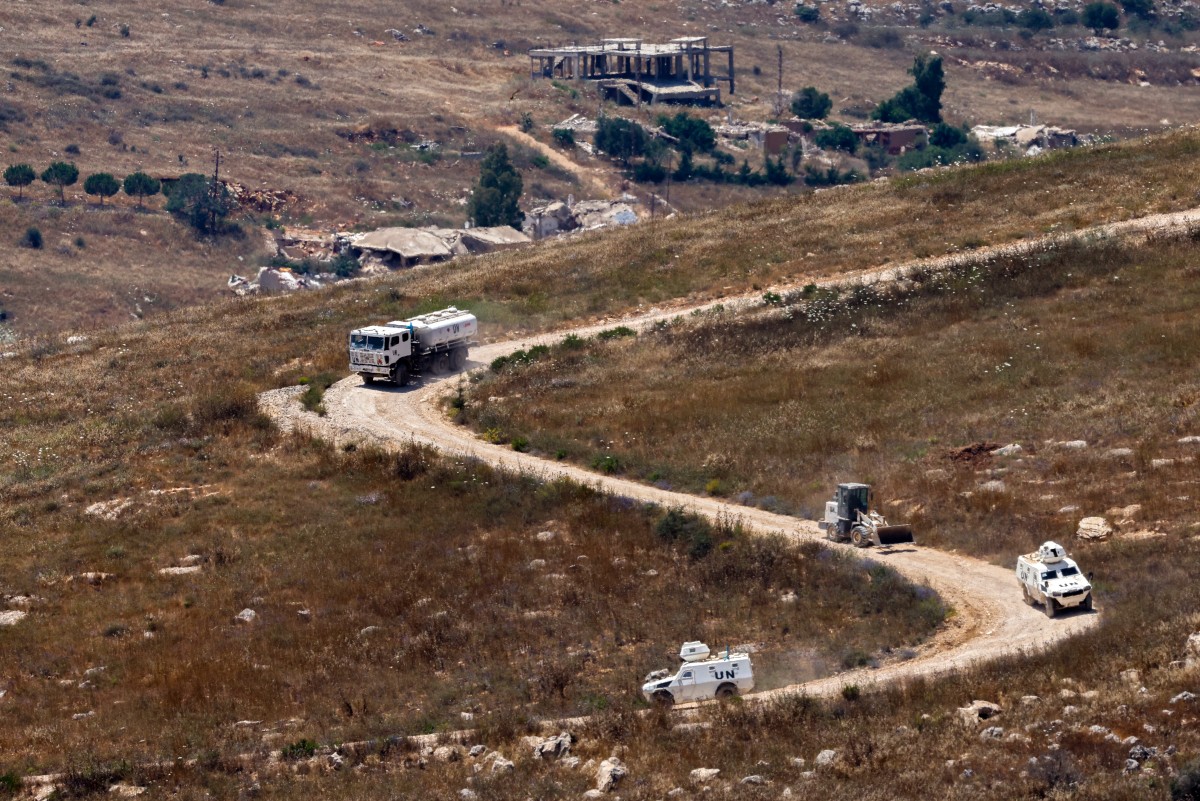
An Israeli source said that during the talks the delegation will present maps to define a so-called model area in Lebanon. This area is located partly south of the Litani River and partly south of the “Yellow Line,” and under this plan the Israeli army would withdraw from it as part of a field experiment.
The source added that the Lebanese army would deploy inside this area, while US forces would be responsible for monitoring and supervision. He also said that several options for different experimental zones are being brought forward: the Israeli army would choose an area that has been relatively cleared, while the Lebanese side would present areas it proposes as well.
This round of talks is part of broader international efforts to stabilize the border and test new field coordination mechanisms between the relevant parties.