

Rubio’s Gulf tour spotlights rising concerns over US-Iran agreement and regional power balance
As US diplomats tour Gulf capitals to defend a new agreement with Iran, regional allies voice growing concern that the deal could reshape security dynamics, strengthen Tehran’s regional role, and shift the balance of power in the Middle East.



 Messenger
 Whatsapp
 Threads
 Email
Email
 Print
Print
 X
X
 Facebook
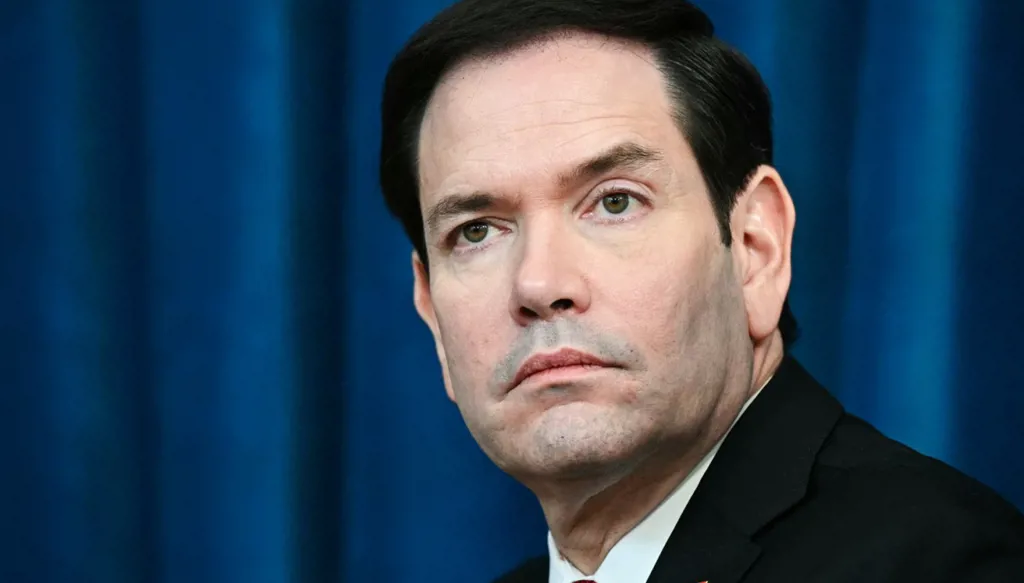
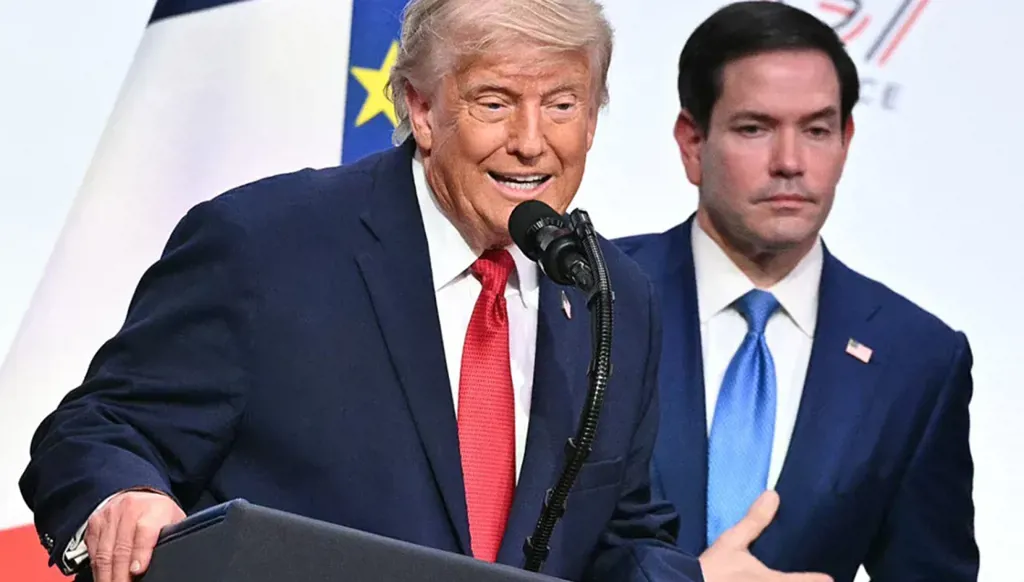


US Secretary of State Marco Rubio faces a difficult task this week, which is promoting the agreement that Washington concluded with Iran before leaders of Arab Gulf states, who fear that such concessions could strengthen Tehran, reshape the security balance, and affect oil flows in the region.
Rubio will meet leaders in the United Arab Emirates today, Tuesday, before heading to Kuwait and Bahrain, where he will meet officials from the Gulf Cooperation Council.
The issue centers on elements in the draft agreement such as the absence of any restrictions on Iranian ballistic missiles, a proposed reconstruction fund worth 300 billion dollars, and provisions that could expand Iran’s regional influence and its control over key oil shipping routes.
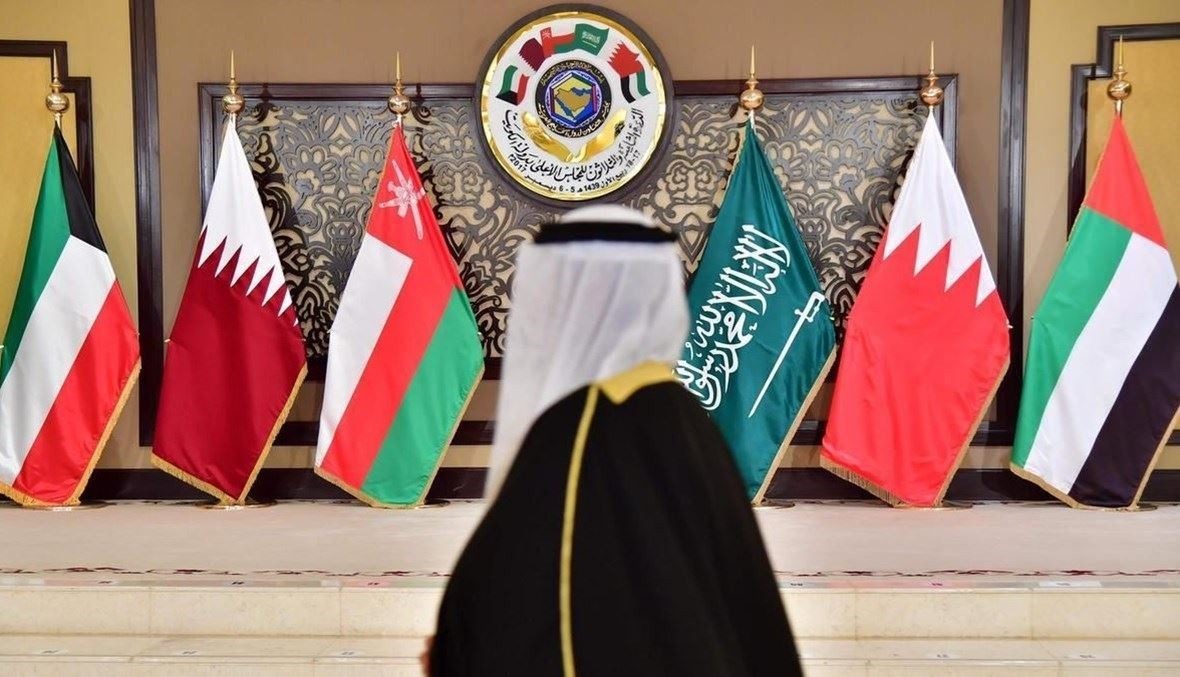
The six member states of the Gulf Cooperation Council are strategic allies of the United States, and they provided some logistical support to Washington during the American Israeli war on Iran that broke out four months ago. As a result, all of them were subjected to Iranian airstrikes.
The United Arab Emirates, Saudi Arabia, Qatar, Kuwait, and Bahrain all host US military bases, which form the backbone of the American security infrastructure in the Middle East. If any of these countries were to reconsider their security relationship with the United States, even in a slight and unclear way, it could have a major impact on US military strategy in the region.
For Rubio himself, this trip requires a careful balance. While the US top diplomat must reassure regional allies, he must do so without appearing to criticize the memorandum of understanding between the United States and Iran. President Donald Trump, who signed the agreement last week, continues to strongly support it despite criticism from some Republican members of Congress who accused the administration of surrendering to Tehran.
Andrew Peek, the former deputy assistant secretary of state for Iraq and Iran affairs who worked on the National Security Council during Trump’s presidency, said that Rubio could reassure concerned allies by pointing to Trump’s history of taking a hard line with the Islamic Republic.
Peek, who currently works at the Atlantic Council think tank, added: “I think he can simply remind them that the president has pursued extremely tough policies toward Iran, and if the memorandum of understanding fails, he will not hesitate to return to bombing them.”
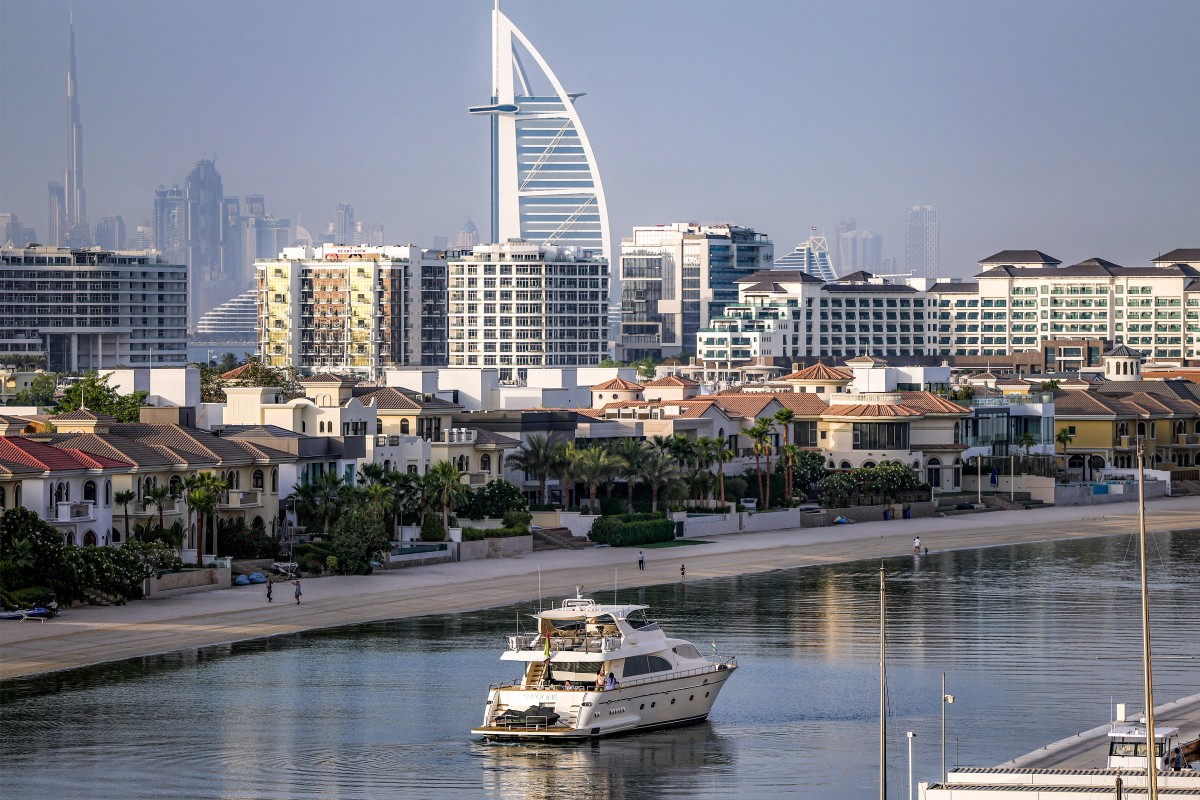
Peace, but at what cost?
All leaders of the Gulf Cooperation Council states that will host Rubio or attend talks this week had previously pressured, at least publicly, for a diplomatic solution before the outbreak of the war in February last year.
Most of them also pushed for a diplomatic off-ramp during the conflict, even while effectively facilitating US war efforts.
However, analysts and diplomats say that specific provisions in the memorandum of understanding have shocked regional officials.
One of these concerns relates to ballistic missiles. During the war, the Trump administration stated that destroying Iran’s ballistic missile capabilities was a key objective. This aligned with the interests of Gulf states, since all of them, unlike the United States, fall within the range of Iranian ballistic missiles and have already been targeted by Iranian strikes.
However, the memorandum of understanding does not mention Iranian missiles at all, and Trump himself said in recent days that depriving Tehran of these weapons would be “unjust.”
The memorandum also provides for the creation of a 300 billion dollar reconstruction fund for Iran, which its regional neighbors fear could allow the Islamic Republic to strengthen its military capabilities while increasing support for allied regional groups that could destabilize governments across the region.
The agreement, in its current form, also appears to acknowledge that Iran may play a key role in controlling the Strait of Hormuz in the future, a major concern for Kuwait, Qatar, and Saudi Arabia, which rely on the strait for oil and gas exports.
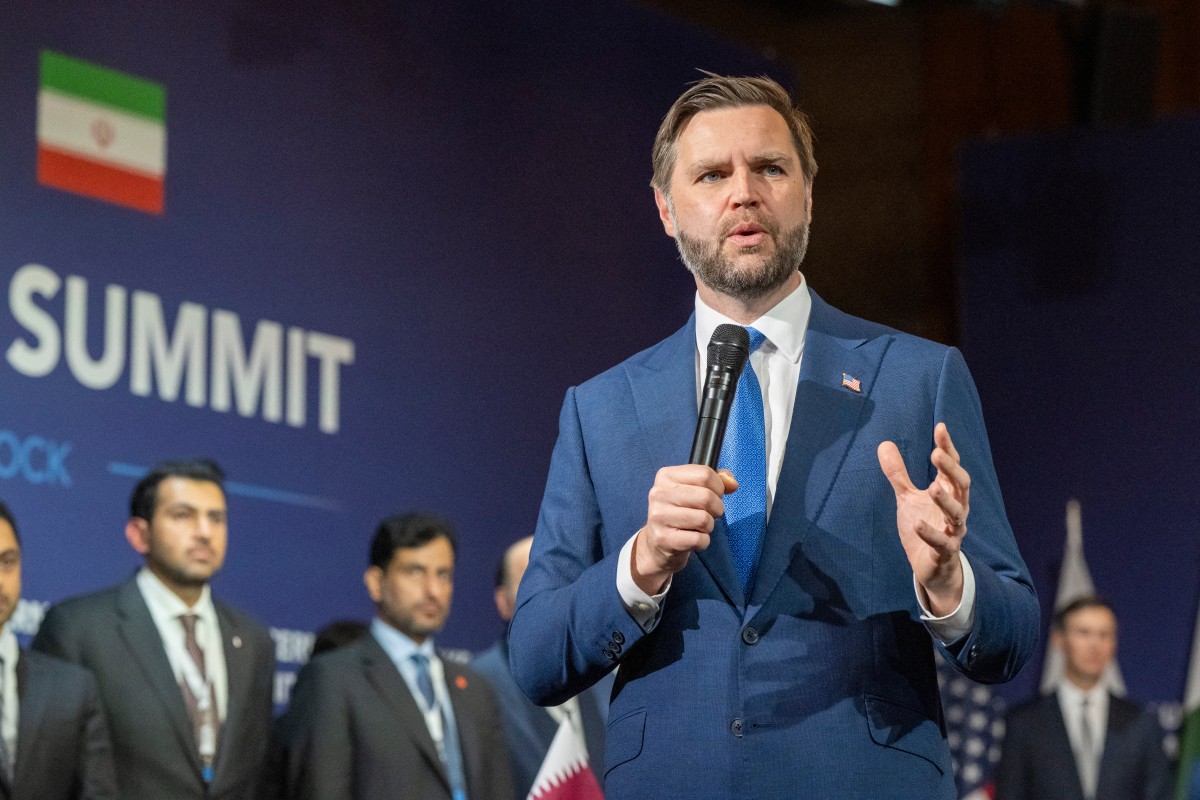
More broadly, US officials have begun speaking about a wider reset in relations with Tehran, a potential shift that most Gulf Cooperation Council states fear. US Vice President JD Vance said that the United States is ready to make a “radical shift” in its relationship with Iran.
The veteran Saudi writer and journalist Abdulrahman Al-Rashed wrote in the daily Saudi newspaper Arab News, published in English, last week that “the agreement rehabilitates the Tehran regime as a regional power.”
He added: “It is likely that Tehran will direct most of the funds it receives in the coming weeks toward strengthening its military position first and foremost, rather than improving living conditions or the Iranian economy.”