

Iran and US Reach Agreement on Frozen Assets and Oil



 Messenger
 Whatsapp
 Threads
 Email
Email
 Print
Print
 X
X
 Facebook


The chief Iranian negotiator, Mohammad Bagher Ghalibaf, announced on Monday evening the completion of an agreement to release $12 billion in frozen Iranian assets following talks held in Switzerland.
He added, “We agreed to establish a communication line regarding the passage of ships through the Strait of Hormuz to avoid any conflict.”
Ghalibaf continued: “Based on the talks in Switzerland, the United States and Iran will guarantee the unity and security of Lebanese territory,” revealing a decision to establish a coordination center to facilitate the return of Lebanese residents to their homes, oversee the withdrawal of Israeli forces from Lebanon, and address any disputes related to ceasefire violations.
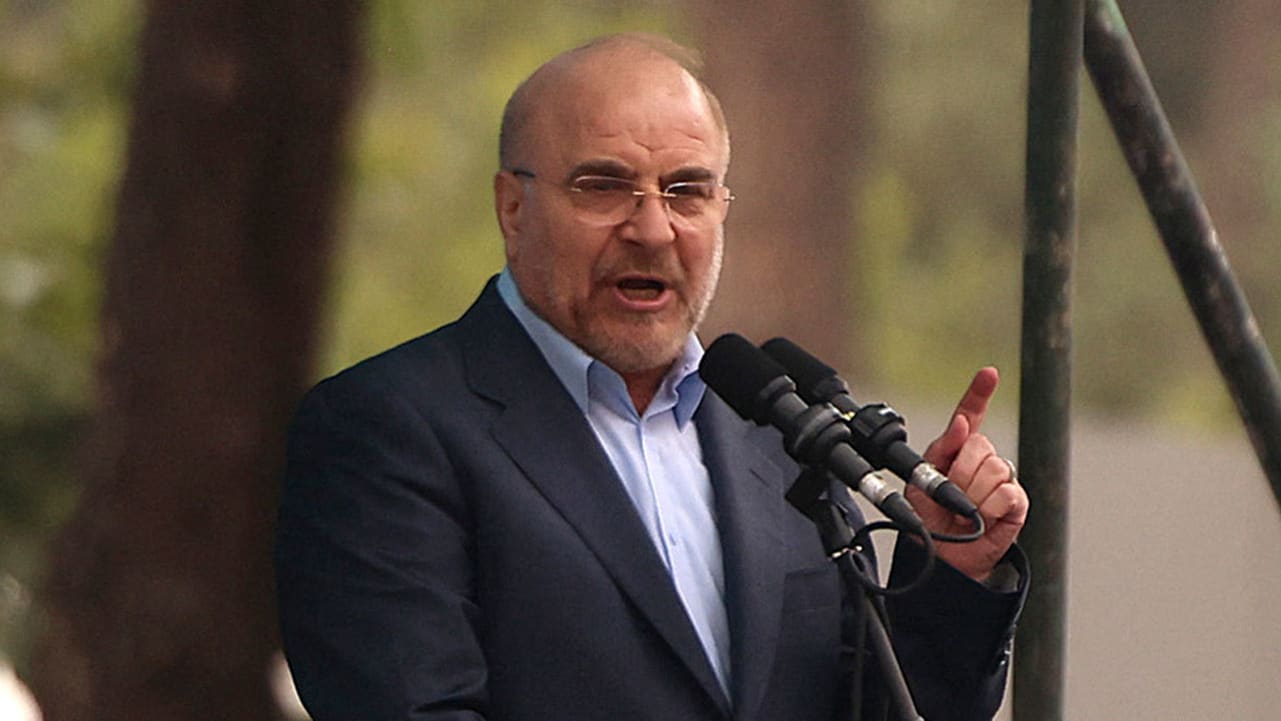
Later, Ghalibaf stated that “the Strait of Hormuz will never return to pre-war conditions and will be managed by the Islamic Republic of Iran in accordance with international law,” according to the official Iranian news agency IRNA.
For his part, U.S. President Donald Trump said that Washington is “making good progress in negotiations to reach a fair and reasonable agreement with Iran.” He added that “Iran is doing very well regarding the Strait of Hormuz.”
Trump confirmed that the frozen Iranian funds being released would be used exclusively to purchase food supplies from American farmers, warning that “if Iran misbehaves, I will do what I must.”
He continued: “Iran should not use oil revenues to rebuild its military but instead use the funds to purchase food for its people,” while stressing that “the way I deal with Iran will not lead to a global economic recession.”
The U.S. president also said he is working on “resolving issues, including those related to Israeli Prime Minister Benjamin Netanyahu.”
In response, Iranian Central Bank Governor Abdolnaser Hemmati stated that “the documents signed regarding our frozen assets do not oblige us to purchase agricultural products from the United States.”
He added: “If the prices and quality of American agricultural products are better, there is nothing preventing us from buying them.”
Hemmati further noted that “we can purchase any goods not subject to sanctions using the funds from the second tranche of frozen assets.”
Suspension of Oil Sanctions
Earlier today, the United States suspended sanctions on Iranian oil until August 21 under the memorandum of understanding signed with Tehran last week.
According to a notice published on the U.S. Treasury Department’s website, “all transactions” previously prohibited in relation to the production, sale, and transfer of Iranian hydrocarbons are authorized until August 21 at 00:01 Washington time.
The announcement pushed oil prices lower, extending an existing decline. Brent crude, the global benchmark, was trading at $77.80 per barrel at around 14:00 GMT.
On June 18, the United States pledged to “end all types of unilateral and international sanctions imposed on Iran.”
Iranian Foreign Minister Abbas Araghchi said at the conclusion of talks with Washington in Switzerland that “oil and petrochemical exports were exempted from sanctions.”