

Protecting Lebanon’s heritage under fire
From ancient castles and traditional markets to village homes and living cultural memory, Lebanon’s heritage faces unprecedented destruction amid ongoing conflict, prompting urgent efforts to document, protect, and preserve what remains.



 Messenger
 Whatsapp
 Threads
 Email
Email
 Print
Print
 X
X
 Facebook
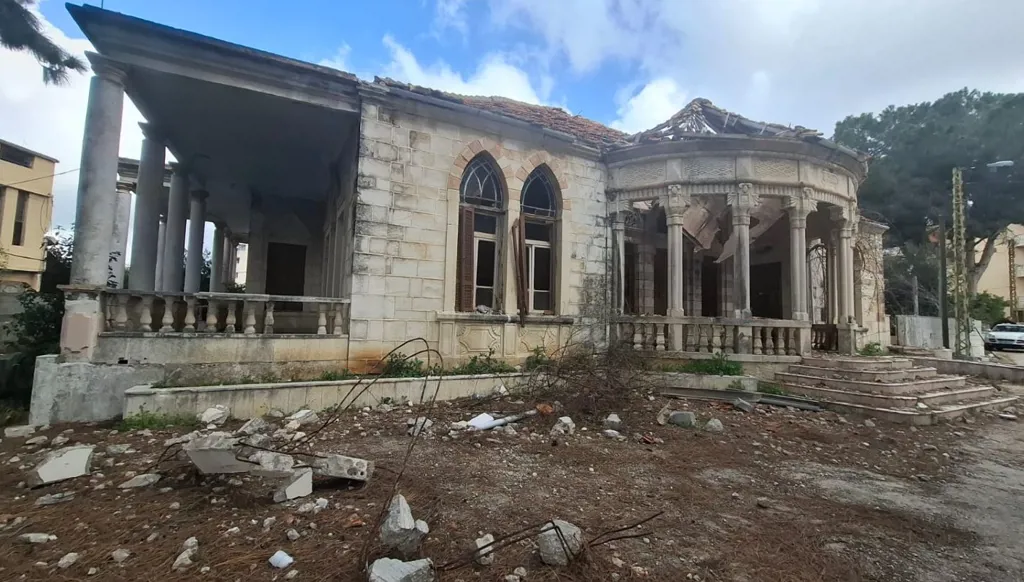
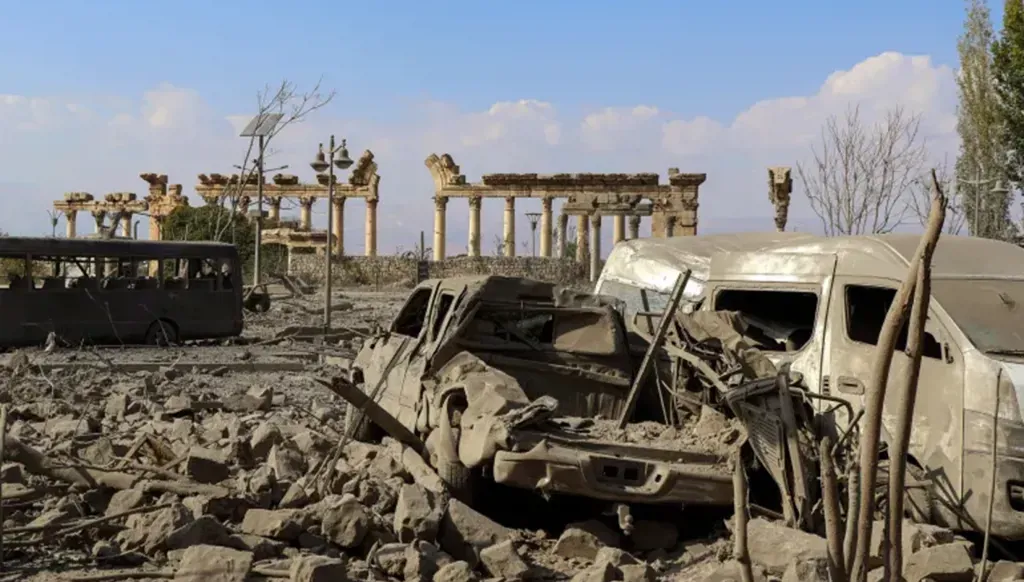
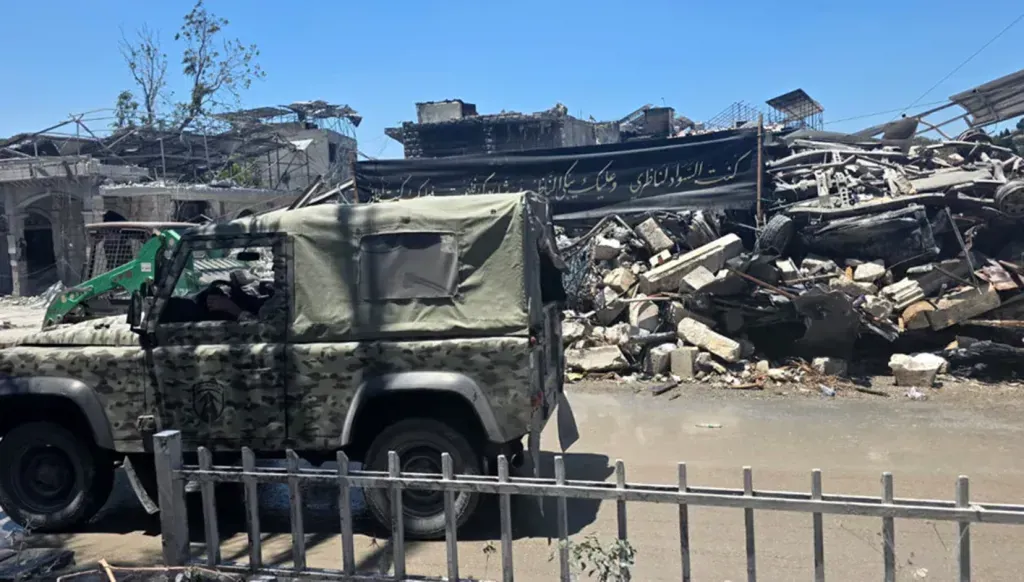


Between Beaufort Castle and Baalbek Castle, and between the markets of Nabatieh and the old stone houses in the occupied villages, lies a memory accumulated by successive generations, now threatened by ongoing targeting and repeated attacks.
These historical structures may, at first glance, appear to be nothing more than silent stones, yet in reality they are a collective memory that bears witness to the history of societies and their cultural and social development.
In a country ranked among the top five in the world in terms of the density of archaeological sites inscribed on the World Heritage List, the issue of heritage protection takes on even greater importance, especially in light of the widespread destruction that southern and border areas have witnessed during the war.
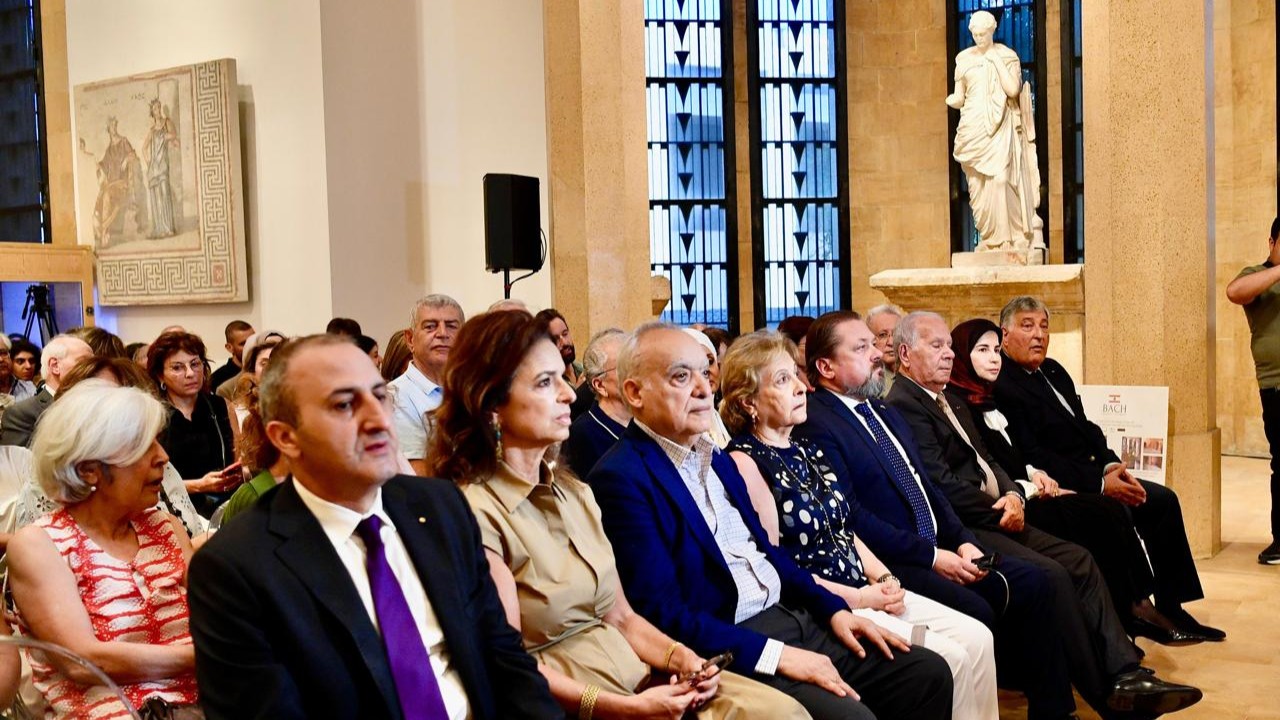
Against this backdrop, the Ministry of Culture organized an event titled “Protecting Heritage in Times of War” at the National Museum in Beirut, aiming to discuss ways to protect heritage under fire and preserve living heritage in southern Lebanon.
Historical Memory
In this context, Culture Minister Ghassan Salamé emphasizes that the concept of heritage is not limited to globally known archaeological sites such as Byblos, Baalbek, and the Kadisha Valley, but also includes everything connected to the historical memory of the Lebanese people. The traditional market in Nabatieh, the municipal library in Bint Jbeil, and the historic centers of villages that are more than three centuries old are all parts of the national heritage and are no less important than internationally listed landmarks.
Salamé tells Annahar: “Built and living heritage is spread across all these places, and we must care about it today in order to assess the damage, and care about it tomorrow when reconstruction begins, so that rebuilding is carried out in accordance with the local heritage on which it was originally based.”
In the face of the risks threatening this heritage, the Ministry of Culture is working on more than one level. On one hand, it seeks to activate international agreements on heritage protection, as the minister has contacted more than 20 culture ministers around the world to inform them of what is happening and to mobilize support against these attacks. On the other hand, the ministry is focusing on field documentation and cooperation with local communities.
Salamé notes that the number of Lebanese sites benefiting from enhanced protection has increased from 38 to around 70 sites in cooperation with UNESCO, through what is known as the “Blue Shield” agreement, under which these sites were marked to remove any excuse from any party claiming ignorance of the nature of the targeted locations. The presence of these markings confirms that they are protected heritage sites.
But are international conventions sufficient to protect heritage? Salamé acknowledges that these agreements alone are not enough to protect heritage from targeting, stressing that “the Israelis know all of this, and they know that there will be severe consequences if they directly attack heritage. We previously conducted an international campaign to protect Beaufort Castle, and they took note of this campaign and know that we will be vigilant everywhere if they directly attack archaeological sites.”
Environmental and Historical Destruction
On the other hand, concerns are even greater among those working in heritage protection as the scale of damage in the south continues to expand. The head of the “Biladi” association, Joumana Farshakh Bijali, tells Al-Nahar that a report issued in 2025 showed that damage to historic buildings during the 2024 war reached 66 percent, noting that the current level of destruction is far worse than what was previously recorded.
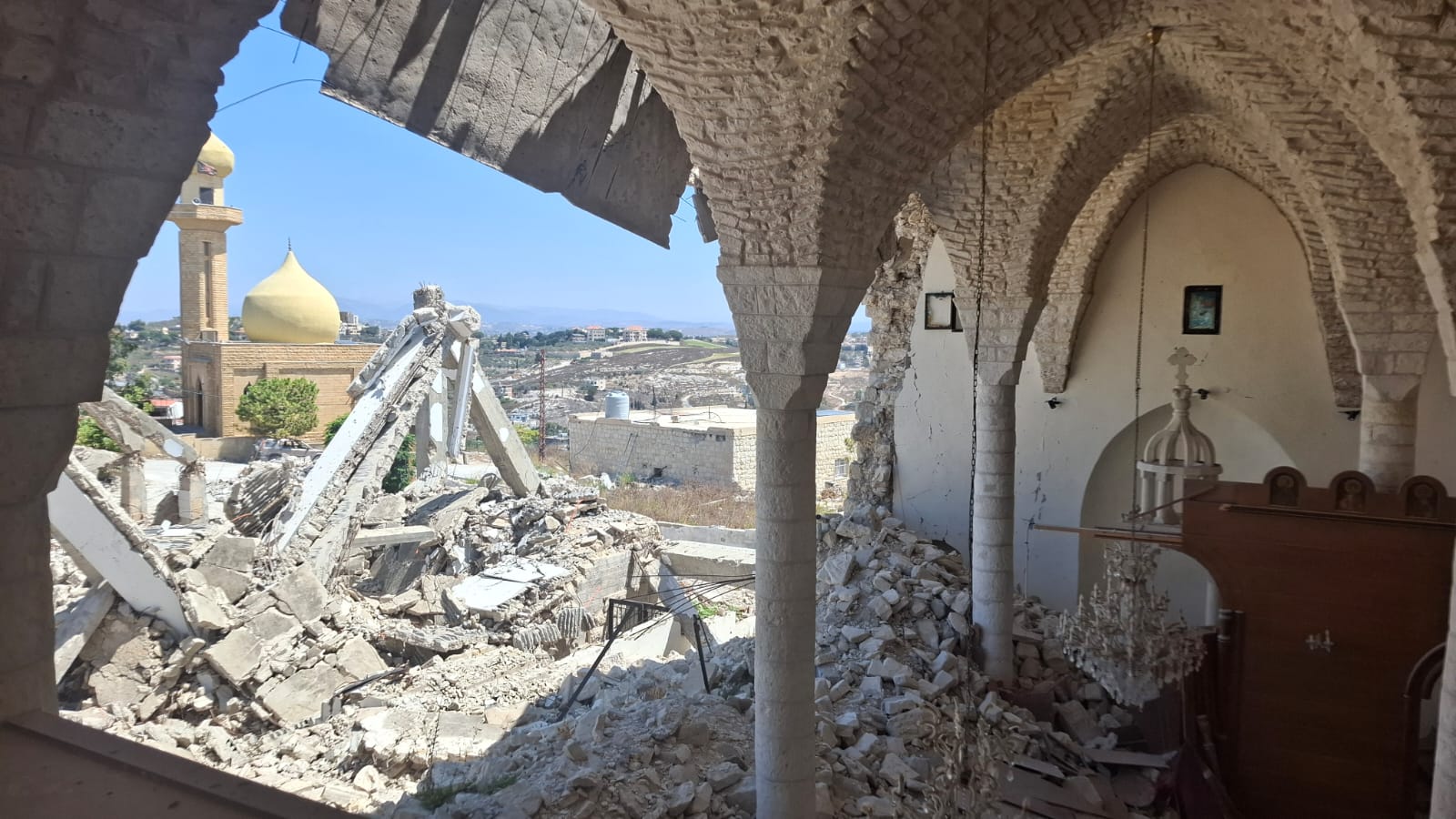
She explains: “The scale of damage affecting historic buildings in the south has changed the terminology from ‘destroyed’ to ‘destroyed and swept away’ or ‘destroyed and shattered,’ and even to the point where the building is reduced to dust. Historic buildings, in their composition, are natural stone, and the blocks they contain are also natural. Therefore, intense explosions and high temperatures lead to the fragmentation of stone and its transformation into dust.”
She believes that what is happening in the southern villages goes beyond the concept of conventional damage, reaching what is internationally referred to as “ecocide” and historical destruction, considering that “the aim of the enemy in this situation in the south is to erase the living historical continuity of more than 500 years in the region.”
Despite the scale of losses, the possibility of restoring part of this heritage still exists. Global experiences following major wars have shown that rebuilding historic structures is possible when they are made a central part of recovery plans. For this reason, the “Biladi” association, within the Juhouzia (Preparedness) project, in cooperation with the Ministry of Culture, the Independent Works Regiment of the Lebanese Army, Civil Defense, and local communities, focuses on documenting historic buildings and training institutions and local communities to protect cultural heritage and monitor the damage it suffers during wars.
In the end, protecting stone is inseparable from protecting people. The battle to protect heritage does not appear to be merely a defense of old buildings, but rather a defense of memory, identity, and belonging. When heritage is destroyed, it is not only a part of the past that is lost, but also the right of future generations to know their story, understand their roots, and preserve the link that connects them to their land and history.