

Nabatieh emerges a devastated city after Israeli strikes and ceasefire delays
Officials describe widespread destruction across Nabatieh’s residential, commercial, and utility networks, as authorities warn that recovery efforts will require urgent coordination and a phased return of residents and state institutions.



 Messenger
 Whatsapp
 Threads
 Email
Email
 Print
Print
 X
X
 Facebook
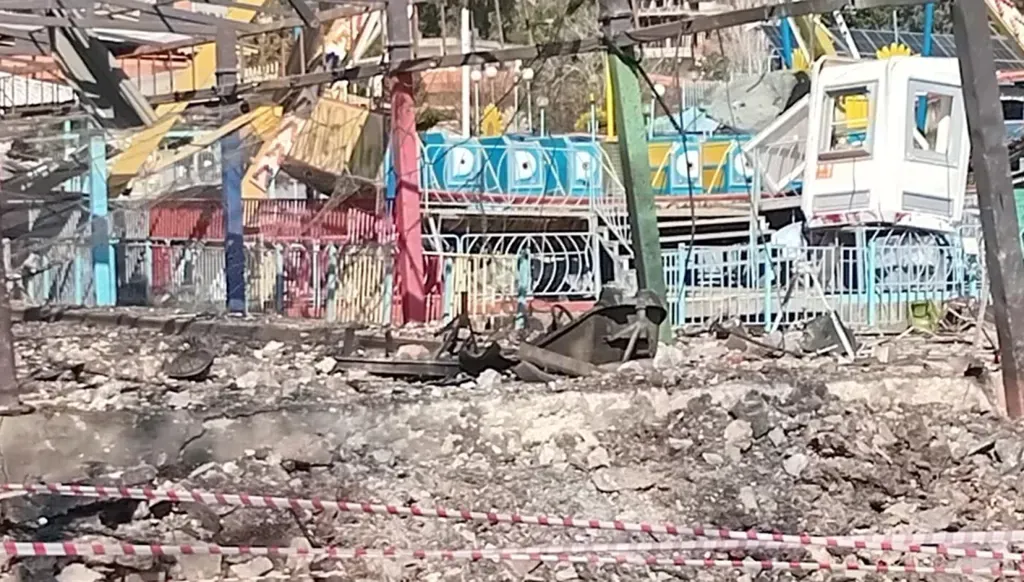


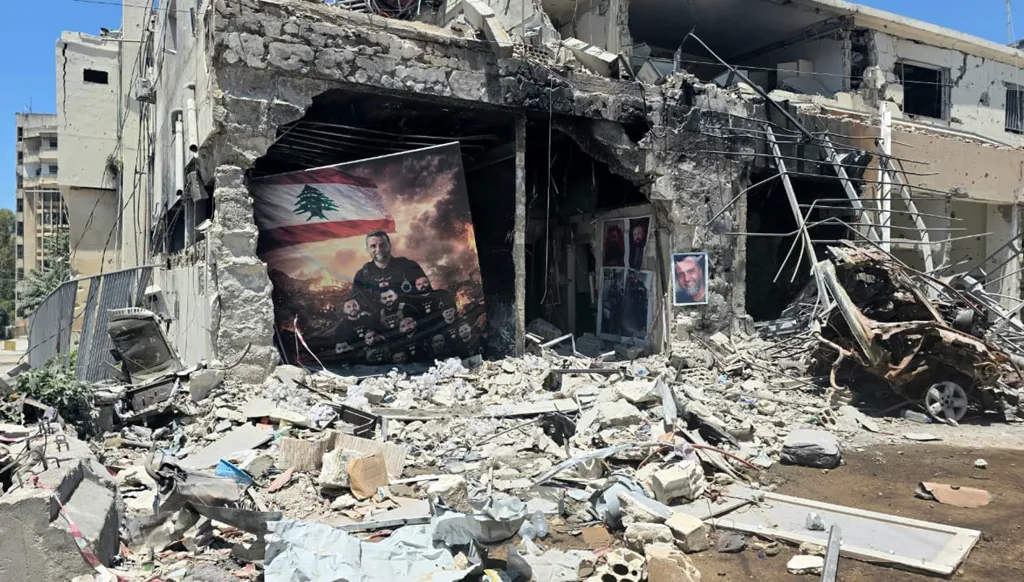
What is the state of the city after the current ceasefire and the Battle of Ali Taher?
There is no doubt that the city of Nabatieh, which came under Israeli retaliatory strikes simultaneously with the Battle of Ali Taher Hill, suffered extensive destruction, as it was reportedly bombarded in 24 hours with an intensity equivalent to 100 days of war, according to its mayor Abbas Fakhr El-Din in remarks to “Annahar.”
Fakhr El-Din revealed that he requested a 72-hour postponement of residents’ return (of which 48 hours have already passed), first to ensure the ceasefire is effectively established, and second to allow the reopening of main and secondary roads in coordination with civil defense and charitable organizations, alongside ongoing damage assessments of infrastructure.
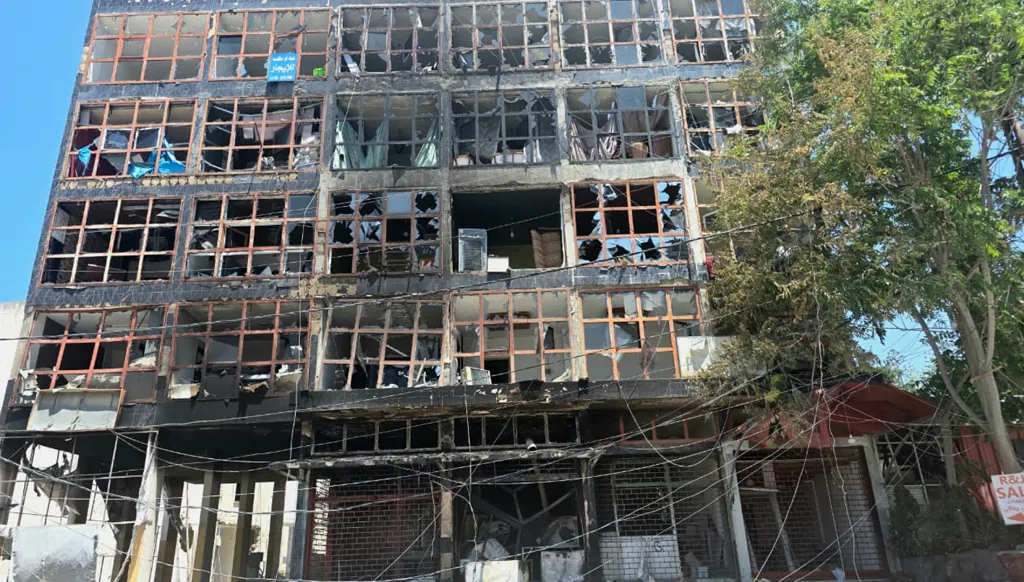
He pointed out that “70% of the state electricity grid has been destroyed, 70% of the municipality’s generator network is out of service, four generators have been rendered non-operational due to the bombing, and the water network has been damaged by more than 80%.”
He called on Électricité du Liban to expedite the replacement of damaged electricity poles, stating: “We have contacted the South Lebanon Water Establishment to begin repair work, and we have identified all damaged points and the necessary requirements for repairs for both parties.”
Regarding residential and commercial buildings, Fakhr El-Din noted that no accurate assessment of the destruction or damage has yet been completed due to the absence of comprehensive engineering surveys, stressing that the scale of damage is significantly larger compared to previous wars.
Fakhr El-Din did not deny, in his remarks to “Annahar,” that Nabatieh has become a “heavily stricken city,” calling for cooperation with its residents to “revive the city again and restore life to the sixth governorate center, after the fierce war waged by the enemy against its people.”
He also stressed the importance of the swift return of official state institutions to work as soon as possible, including the Internal Security Forces, the governorate, telecommunications services, and other departments, particularly given the strong presence of the Lebanese Army.