

US pressure on Israel to withdraw from southern Lebanon
Reports indicate growing US pressure on Israel to pull back from southern Lebanon, amid shifting military policy, ongoing hostilities with Hezbollah, and political disputes over negotiations with Beirut.



 Messenger
 Whatsapp
 Threads
 Email
Email
 Print
Print
 X
X
 Facebook
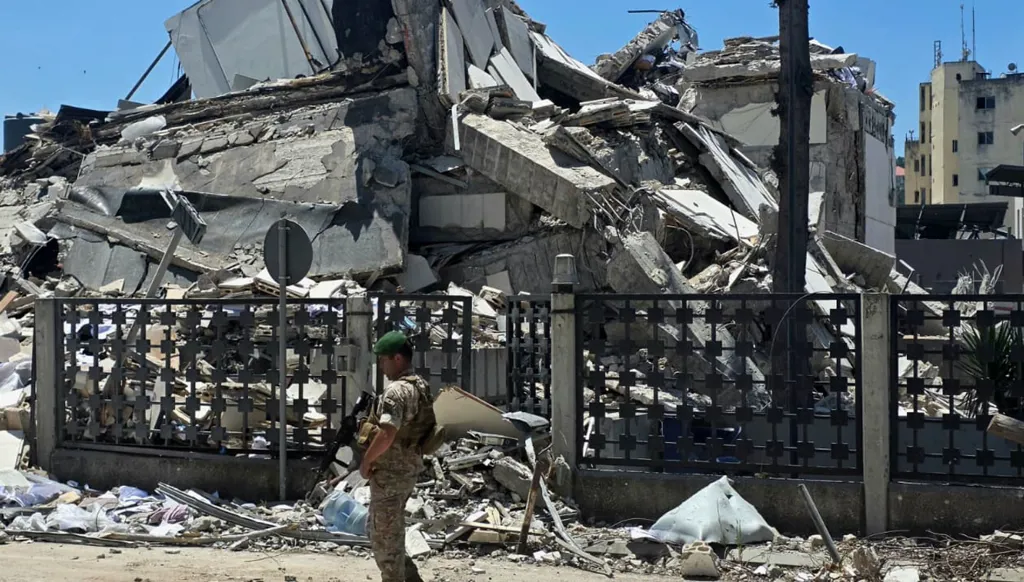
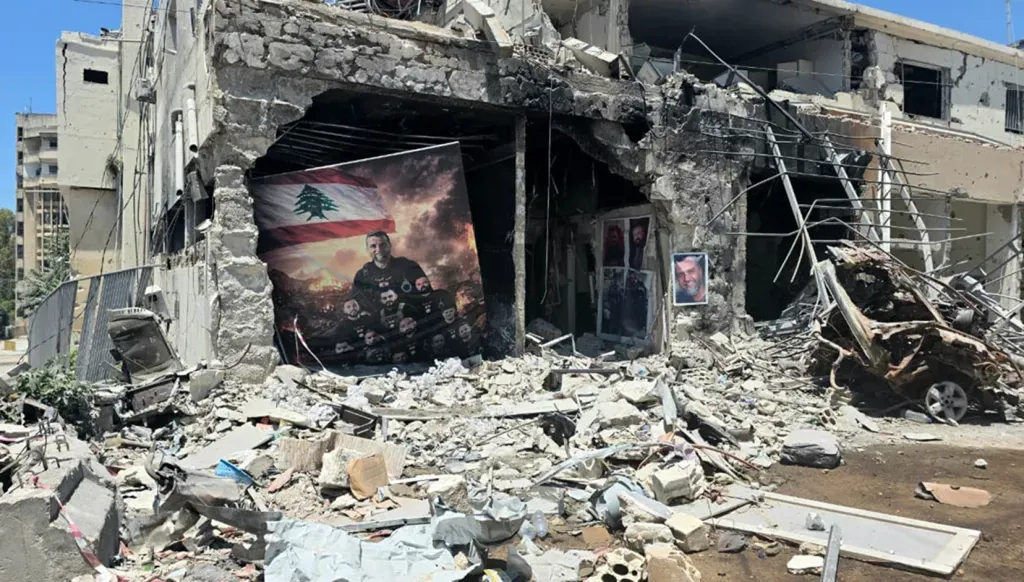
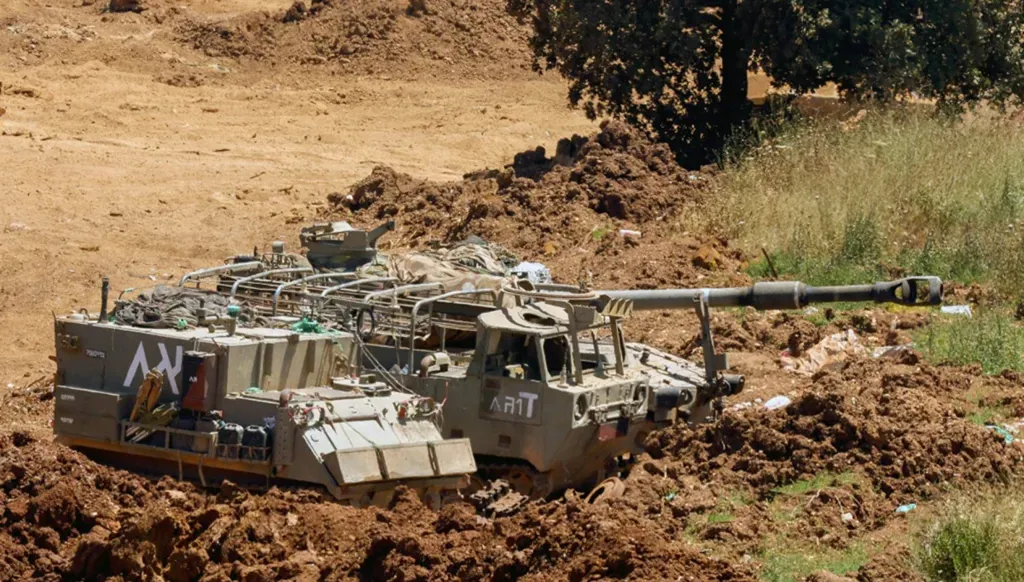


The war in Lebanon forms the “main axis of discussion” in the first round of talks between the United States and Iran in Switzerland, while Tehran threatens not to enter negotiations if the war in Lebanon is not stopped.
The spokesperson of the Iranian Ministry of Foreign Affairs, Esmail Baghaei, confirmed that “Tehran will not enter final agreement negotiations with Washington unless the war in Lebanon is stopped as stipulated in the US Iranian memorandum of understanding,” ahead of talks scheduled in Switzerland on Sunday.
Baghaei said in a post on the platform X: “Since these provisions have not been implemented, especially the first provision (ending the war on all fronts, including Lebanon), it is not possible to enter the negotiation phase to reach a final agreement.”
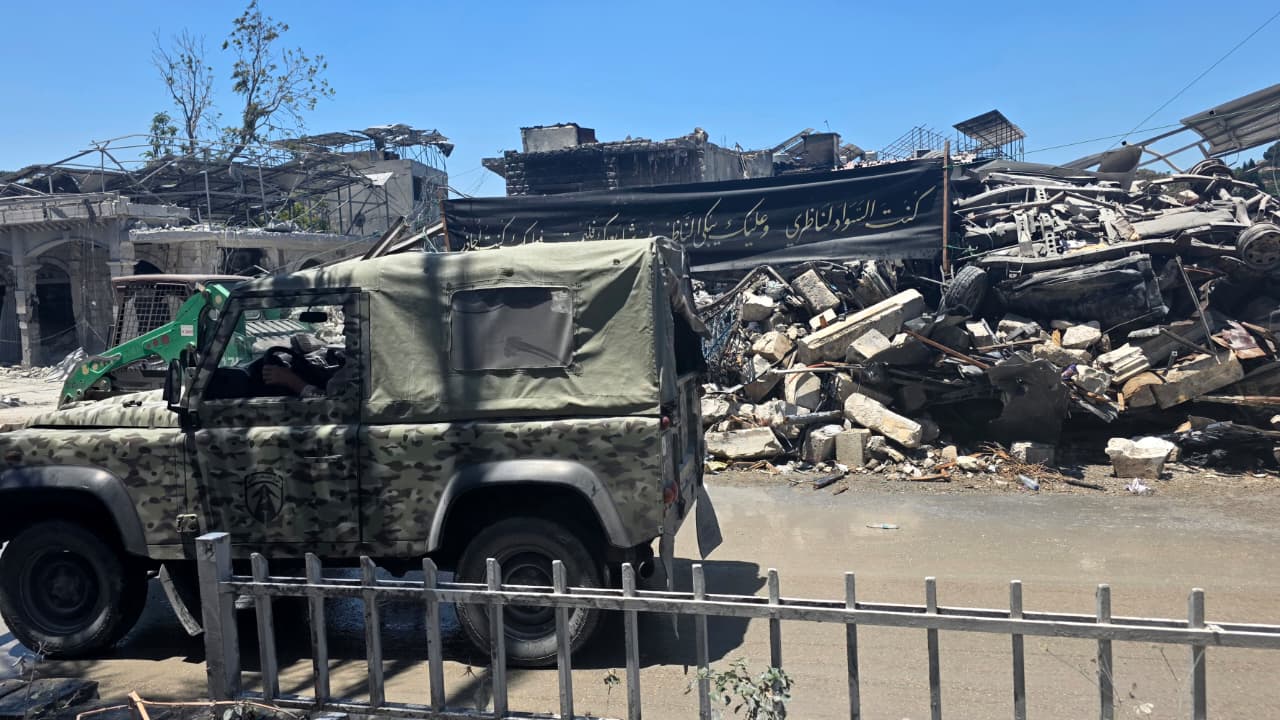
The memorandum signed by both sides on Wednesday stipulates conducting negotiations within a 60-day period to reach a final agreement focused on Iran’s nuclear program and the lifting of sanctions imposed on Tehran.
Baghaei said: “The Zionist regime continues to violate its commitments in Lebanon, and this issue will be the main topic in today’s talks,” according to a video clip distributed by the IRNA news agency.
Baghaei stressed that “the cessation of hostilities in Lebanon is pivotal” for the Islamic Republic, noting that “since yesterday (Saturday), a fragile ceasefire has been in place.”
He added: “Also on the agenda is the issue of releasing Iran’s frozen or restricted assets, as well as discussions related to issuing the necessary licenses for the sale of Iranian oil.”
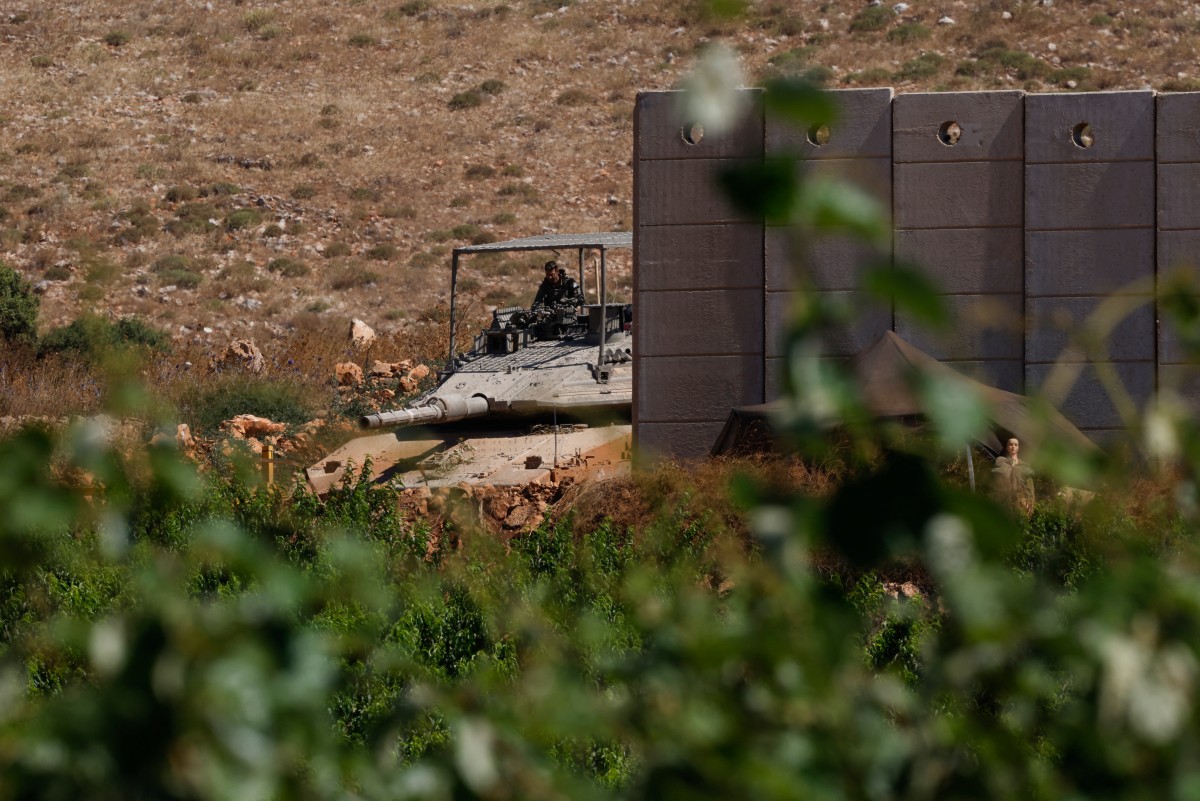
US pressure on Israel to withdraw from southern Lebanon
In the same context, an Israeli official said that “the United States is exerting pressure on Israel to withdraw from southern Lebanon,” while Israel’s Army Radio reported that “a major shift has occurred in operational policy, with an almost complete restriction on shelling in southern Lebanon.”
For his part, Israeli Defense Minister Israel Katz affirmed that “there are no restrictions, and there have been no restrictions, on our soldiers’ operations in Lebanon to eliminate threats,” adding that “the ceasefire announcement keeps our forces in all positions in the security zone in Lebanon, which protects the residents of northern Israel.”
He also stressed that “Israel will not withdraw from the security zone in Lebanon.”
Meanwhile, Prime Minister Benjamin Netanyahu said: “We will continue to do everything necessary to restore security to the residents of the north.”
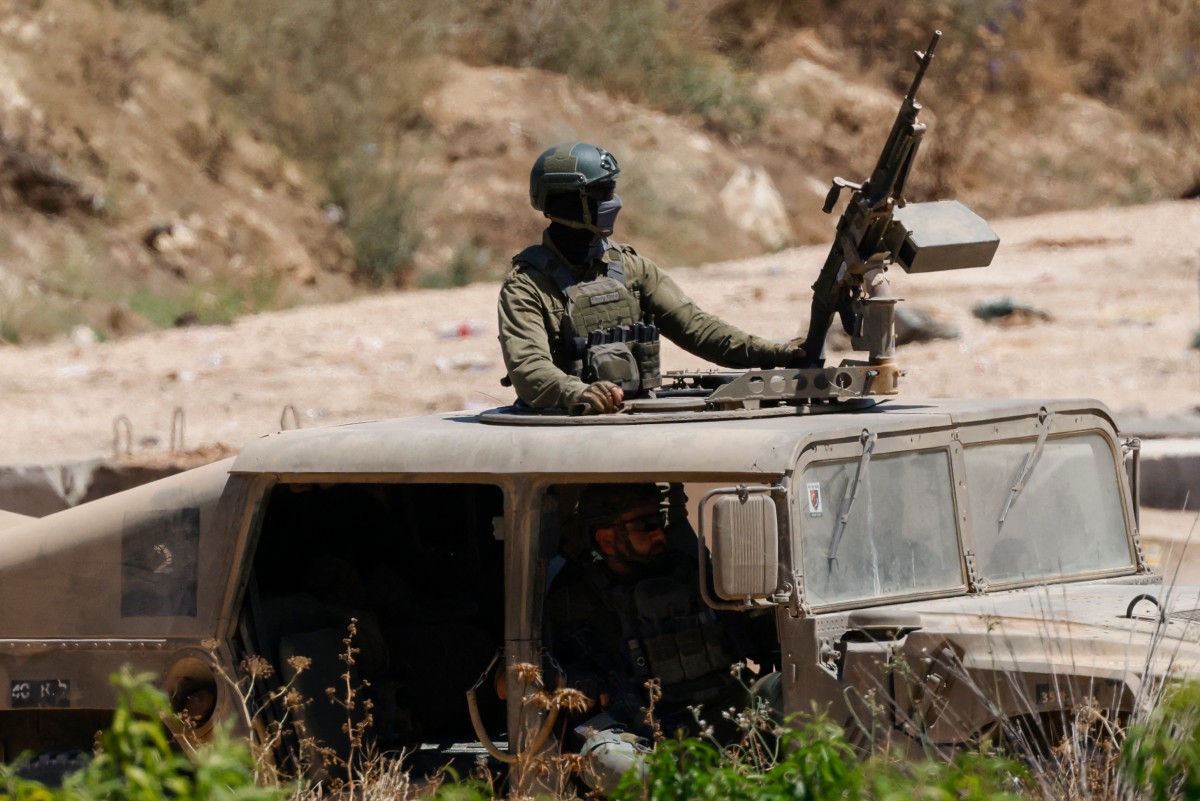
Israel’s National Security Minister Itamar Ben Gvir was also quoted by Army Radio as saying: “There should be no negotiations with the Lebanese government as long as Hezbollah is part of it.”
The Israeli radio also reported “the killing of six soldiers, including a senior officer, and the injury of more than 20 in Hezbollah attacks in Lebanon since last Thursday.”