

International Outcry Over Lebanese Activist Mona Khalil's Death
Her death in southern Lebanon sparked widespread mourning among environmental networks and renewed attention to her legacy in sea turtle conservation and eco tourism initiatives.



 Messenger
 Whatsapp
 Threads
 Email
Email
 Print
Print
 X
X
 Facebook
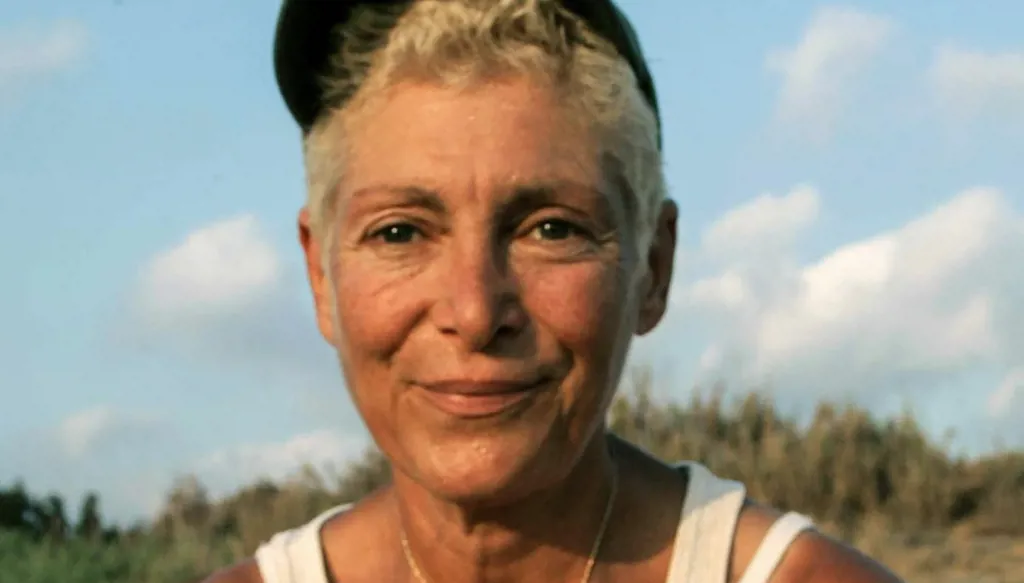


The killing of Lebanese environmental activist Mona Khalil in an Israeli airstrike on southern Lebanon drew notable attention in environmental and media circles outside Lebanon. Within days, her story became a symbol of the human and environmental losses caused by war.
While official international reactions remained limited, there was extensive media coverage and messages of solidarity from activists and environmental organizations, which described her death as a major loss.
This attention reflects the recognition Khalil had gained over years of work in protecting marine turtles and preserving biodiversity along the southern Lebanese coast. Her name had become well known among environmental networks, volunteers, and researchers from different countries.
'The Guardian' highlights her environmental legacy
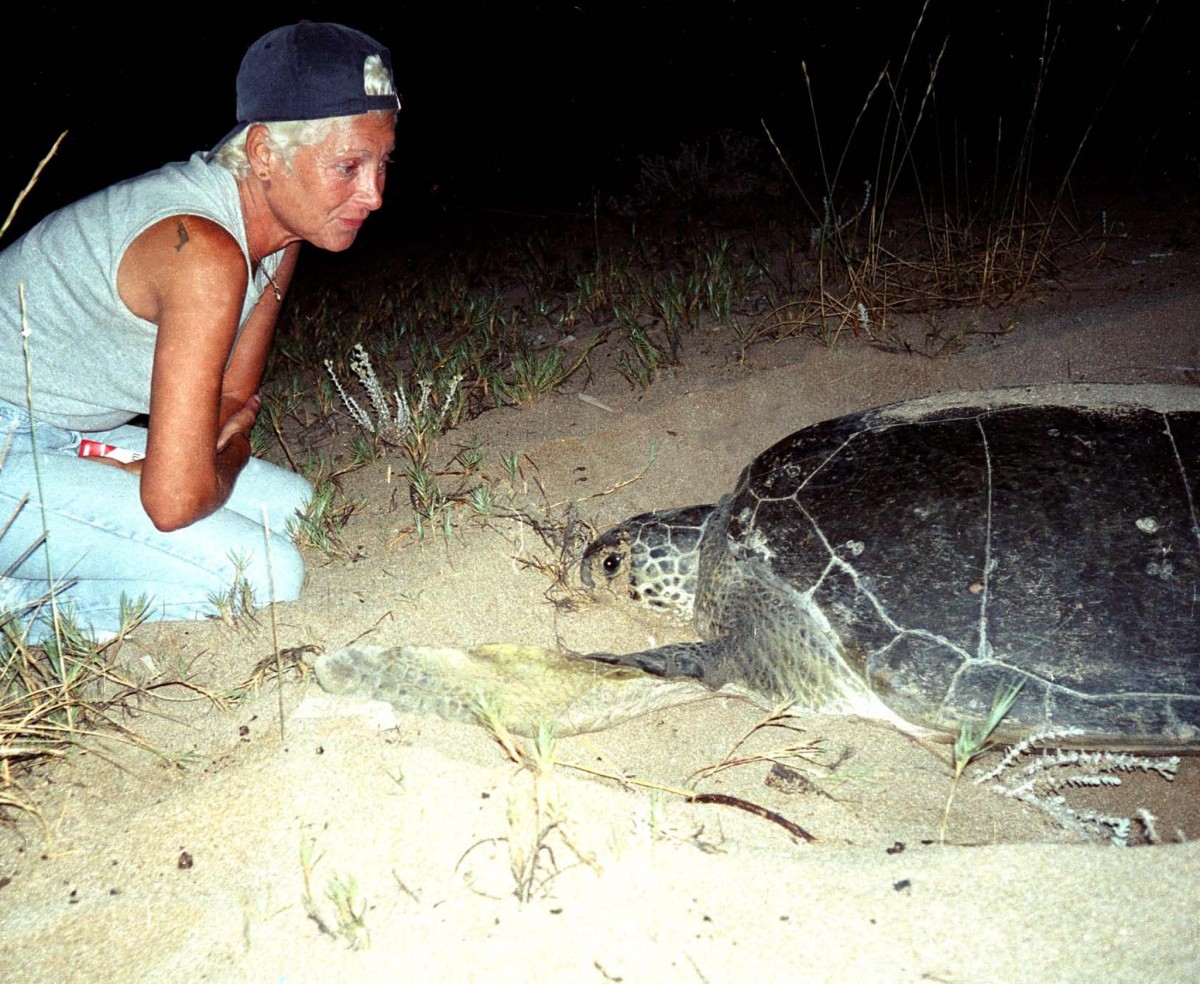
One of the most prominent examples of international attention was a long report published by The Guardian following her death. The report focused on her work in protecting sea turtles and the environmental project she founded in the town of Mansouri in southern Lebanon.
The newspaper presented Khalil as one of Lebanon’s leading defenders of the marine environment, noting that her efforts helped protect endangered turtle nesting sites on the Lebanese coast and transform the area into a destination for researchers, volunteers, and people interested in environmental issues.
Coverage was not limited to The Guardian. International environmental platforms also covered her story, describing it as an example of how war affects those working in nature conservation and wildlife protection.
Environmental organizations and activists respond
The Green Southerners stood out among the groups that mourned Khalil and praised her environmental legacy, stressing that her death represents a major loss for the environmental movement in southern Lebanon.
Messages of mourning and solidarity also spread across networks of environmental activists and groups focused on protecting sea turtles in the Mediterranean region and beyond. Many recalled memories of working with her or visiting the project she founded.
Activists and researchers shared photos and video clips documenting her work in sea turtle conservation, while several posts highlighted her role in raising environmental awareness within local communities and attracting volunteers from different countries to take part in protection and monitoring programs.
Among those who also reacted to her death were volunteers and researchers involved in sea turtle conservation initiatives in the eastern Mediterranean, as well as individuals who had previously taken part in environmental programs or visited southern Lebanon through eco-tourism and international volunteering networks.
Orange House: a project that built an international network
One reason behind the international attention to Khalil’s death appears to be the Orange House Project, which she founded in Mansouri and which over the years became a well-known hub for environmental interest and eco-tourism.
The project was not merely a local sea turtle conservation initiative, but a space for collaboration between volunteers, experts, and researchers from different countries. This allowed Khalil to build a wide network of relationships within international environmental circles.
Following the announcement of her death, dozens of messages appeared from foreign volunteers, tourists, and activists who had previously taken part in the project’s activities or met her during visits to southern Lebanon, recalling her role in protecting the marine environment and promoting awareness of conservation issues.
The project’s international reputation also helped keep her story present on several global environmental platforms, which viewed her killing as an example of the losses suffered by environmental workers during armed conflicts.