

Father’s day 2026: The modern father between care, pressure, and recognition
How modern fatherhood is being reshaped by emotional presence, workplace demands, technology, and the search for real acknowledgment beyond symbolic celebration.



 Messenger
 Whatsapp
 Threads
 Email
Email
 Print
Print
 X
X
 Facebook
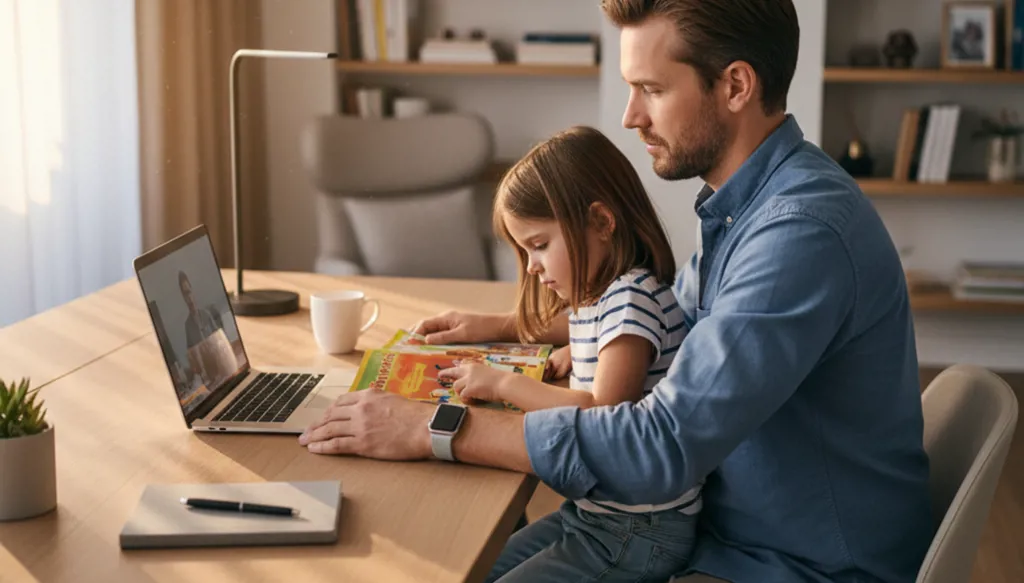


The world celebrates today, June 21, 2026, Father’s Day, but anyone following the dynamics of the modern family realizes that the figure being celebrated has changed fundamentally.
The father is no longer merely the financial provider or the strict authority who imposes order from a distance. He has instead become a nurturing partner who is emotionally and educationally involved in the smallest details of his family life. This deep sociological and psychological shift has reshaped fathers’ priorities, interests, spending patterns, and even their career choices.
Structural shift: the psychology of secure attachment and qualitative presence
Historically, the social model focused on the father’s role as the provider of material needs, leaving the emotional burden to the mother. Today, however, developmental and social psychology research points to fathers becoming increasingly aware of the importance of building a secure attachment with their children. The concept of presence is no longer measured by the number of physical hours spent at home, but by focused attention.
In this context, a child development study from Harvard University found that children who spend 30 minutes per day engaged in shared, focused activities with their fathers show a 28 percent reduction in behavioral problems. Fathers today measure their success by the quality of these minutes through small, consistent routines such as reading before bedtime, cooking, or even cooperative play such as FIFA and Minecraft, which have become alternatives to direct instructional sessions and instead create spaces for indirect parenting.
The impact of this positive involvement on the child includes:
- Cognitive development: improved problem-solving skills and logical thinking.
- Emotional stability: lower levels of anxiety and enhanced independence.
- Social behavior: development of empathy skills and the ability to build healthy relationships.
- Resilience: a higher ability to cope with life traumas.
.png)
Comprehensive well-being: mental health and the challenge of “personal space”
Perhaps the most notable change in the psychology of fathers in 2026 is the collapse of the “invincible man” mask. According to a World Health Organization report (2024), the percentage of men who actively monitor their mental health has increased by 38 percent compared to 2019. The modern father does not hide his pressures; instead, he consciously shares them in front of his children as a way of presenting a balanced and human role model.
There has also been a shift away from an obsession with extreme dieting and intense workouts toward “practical fitness.” Applications such as Strava and Apple Fitness have seen 42 percent growth among fathers aged 30 to 45 who are seeking short home-based workouts lasting 15 to 20 minutes. Alongside this, sleep has become a strategic priority. Smart watches connected to apps such as Sleep Cycle are now essential tools, as fathers increasingly recognize that good sleep is equal to productivity and patience with their families.
When a YouGov survey asked around 10,000 fathers about their top wish for Father’s Day, the answer was not a car or an expensive gadget, but rather “an hour without interruptions.” Quiet time, a comfortable reading corner, and periods of digital detox have become the new form of luxury. At the same time, fathers are also showing growing interest in their appearance through skincare and beard care kits as part of self-care routines.

Purposeful technology and financial security parallel to time
The social development of fathers cannot be separated from technology. A 2025 report by Deloitte classified “working fathers” as the highest spending group on smart home devices. The modern father uses technology to buy peace of mind, including surveillance cameras, smart locks, and health tracking watches that monitor vital signs such as heart rate and stress levels. Data has recorded a 33.7 percent increase in fathers’ interest in artificial intelligence tools that help them complete tasks more quickly in order to free up time for their families.
In parallel, and in the context of “dual economic anxiety” and global inflation, fathers are experiencing what is known as a “role conflict.” They balance financial stability with family presence. This has been reflected in consumer behavior, with 66.4 percent of fathers prioritizing trusted brands, while interest in loyalty programs and smart deals rose from 26.9 percent in 2021 to 43.1 percent today. Financially, fathers are increasingly focusing on building an emergency fund covering 3 to 6 months of expenses and on flexible investments that support their availability and free time.
.png)
Generational differences
Fathers of Generation Z tend, at a rate of 61.8 percent, to favor digitalization and gaming, while fathers of Generation X focus more on commercial deals and loyalty programs. Despite this, both groups share an appreciation for experience-based and emotionally meaningful gifts, as 62.7 percent prefer going out to eat with their families to strengthen shared memories. In addition, manual activities such as gardening tools, barbecuing, and home improvement equipment still represent a form of relief and a creative outlet for many of them.

Professional challenges: flexible, father-friendly work environments
Today’s fathers are demanding workplaces that support their family roles, and they are more likely to change jobs if they are denied flexibility. Corporate policies now play a crucial role in strengthening fathers’ presence at home, including work systems, paternity leave (in much of the developing world), and emergency childcare services. Another notable development is the increasing focus on training managers to lead teams with flexibility and empathy.
Alongside work responsibilities, self-development has become a message fathers actively pass on to their children. The Coursera platform reported that 34 percent of those enrolled in leadership and time management courses are fathers aged 35 to 50. The goal is twofold: to protect themselves from professional obsolescence in the age of artificial intelligence, and to model for their children the idea that learning has no age limit.
The new father wants to be seen
Today’s father lives at a complex intersection; he struggles to achieve balance between physical strength and emotional vulnerability, between work pressures and the demands of family partnership, and between protecting his children in the physical world and in cyberspace.
Father’s Day 2026 is no longer merely a marketing occasion for buying gifts, but a platform for recognition and support. Brands and policymakers are now required to understand these profound shifts and provide messages and services that respect the father’s role as a primary caregiver.
What fathers need most today is not symbolic appreciation alone, but a supportive social infrastructure, including paid leave, accessible mental health care, and workplace flexibility, enabling them to fulfill their most important role and to hear a genuine “thank you” that makes them feel that their quiet efforts are understood and valued.